Film
duologue
Drama
Thriller

Walk or Die

from The Long Walk

Written by JT Mollner

The Long Walk

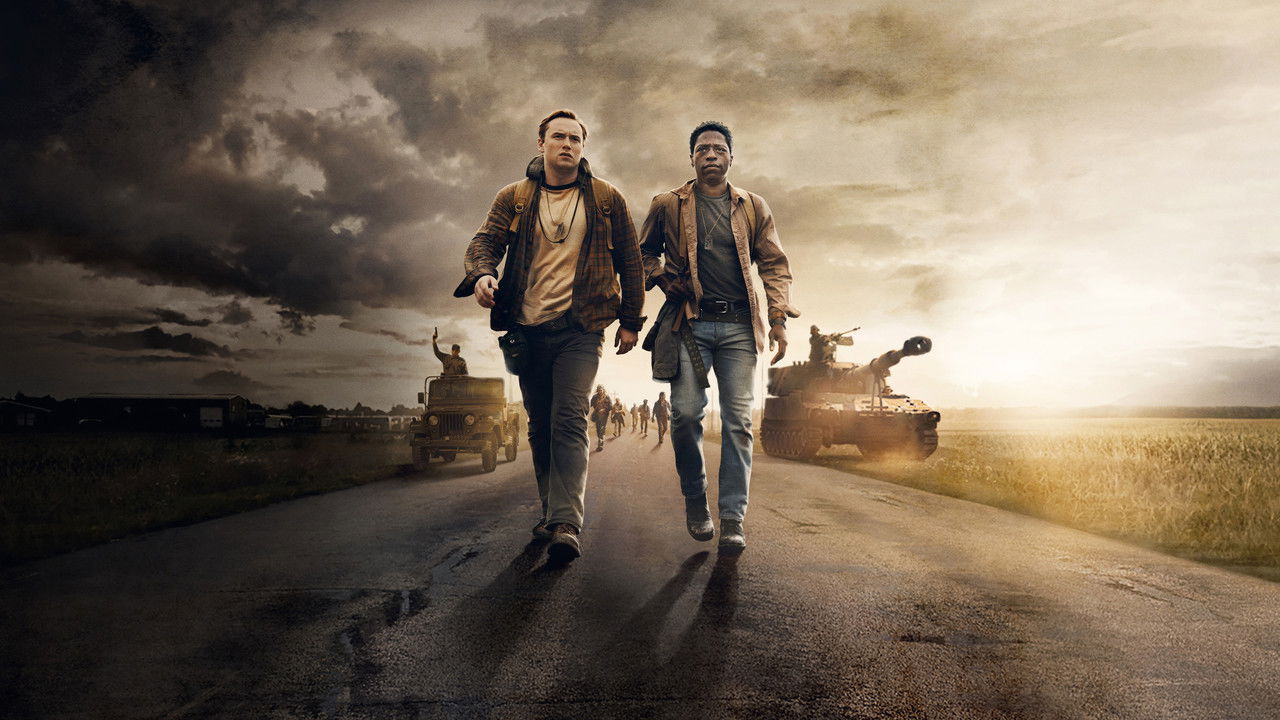
Exhausted during a lethal endurance contest, Garraty and McVries discuss the psychological will required to survive and the grim reality of their

Start a free 7-day trial — 5 downloads a day, unlimited when Pro begins

Rehearse this scene
Rehearse on your terms

Choose your role and voices for the other characters. Run the scene at your own pace.

Scene PreviewExcerpt — subscribe to read full scene

GARRATY

Talk to me. I’m fading.

MCVRIES

Do you think you’ll win, Ray?

GARRATY

I... I need to.

MCVRIES

We all need to.

GARRATY

To stay alive, yes. But I need to for other reasons.
End of preview. Continue with Pro below.

7 days freeYour next rehearsal starts here

Found your next scene? Make it yours.

Start your free trial and read Walk or Die in full, with access to 3,000+ monologues and scenes to explore next.

  • Read the full scene and explore the library
  • Download your script in a clean, printable format
  • Take it into rehearsal with the Script Reader
Casting Types
Get Feedback
Coming Soon

Want expert coaching on this scene?

Browse our curated list of acting coaches, dialect specialists, and more.

Find a Coach

Need representation?

Browse verified agents and casting directors in our directory.

Scene Notes & Audition Tips

5 sections
About This Scene

This duologue, "Walk or Die," from the film *The Long Walk*, plunges two young men, Garraty and McVries, into the harrowing reality of a deadly endurance contest. Exhausted and facing their limits, they grapple with the psychological fortitude required to survive such an ordeal. The scene explores the brutal truth of their predicament and the intense mental struggle to keep moving forward, highlighting themes of mortality, despair, and the complex nature of human will under extreme pressure. It's a raw and intense moment where the facade of hope crumbles, revealing a deep vulnerability.

Character Analysis

Garraty is portrayed as teetering on the edge, desperate for connection and a reason to persist, clinging to an external dialogue to fuel his fading resolve. He's struggling with the "why" of survival beyond mere existence, hinting at deeper motivations that drive him. McVries, in contrast, offers a stark, almost philosophical resignation, having processed the grim mechanics of their situation. He’s the more self-aware of the two, acknowledging his own limits and the specific psychological element he believes he lacks to "win." Both characters are young, aged 18-20, making their existential crisis particularly poignant and relatable to actors in a similar age range.

Why This Works for Auditions

This scene is an excellent choice for auditions due to its immediate and gripping intensity, allowing actors to showcase a broad emotional range in a concise timeframe. The duologue format provides a dynamic interplay, demonstrating an actor's ability to listen and react authentically, crucial skills for any casting director. It avoids a build-up, starting *in media res* with high stakes, and its contemporary period and focus on vulnerable, gritty teenagers make it highly relevant for many current projects. The survival tag also speaks to an actor's capability of embodying extreme circumstances and emotional depth.

Best Suited For

"Walk or Die" is perfectly suited for actors aged 18-25, particularly those presenting as a "Teenager," "Everyman," or "Vulnerable" type who can embody both physical and emotional exhaustion. It’s an ideal piece for drama school auditions, where showcasing emotional authenticity and strong scene partnership is paramount. Its contained intensity also makes it excellent for self-tapes, allowing actors to control their environment and deliver a powerful performance directly to the camera. Furthermore, it's a strong option for agent showcases or general practice, where demonstrating dynamic acting in a short piece is key.

Performance Tips

When performing this scene, focus on the underlying physical and emotional exhaustion. Let the weariness inform your voice, posture, and pacing, but ensure it doesn't stifle your character's urgent thoughts. For Garraty, emphasize the plea for connection and the desperation for a reason to continue. For McVries, explore the quiet, almost detached acceptance of his grim reality and the sharp, insightful observation of human nature under duress. Pay close attention to the listening moments, as the unsaid reactions are as powerful as the spoken lines, building the palpable tension of their shared predicament.

Explore this topic