
Film
duologue
Drama

Where Do You Get It?

from The Legend of 1900

Written by Giuseppe Tornatore

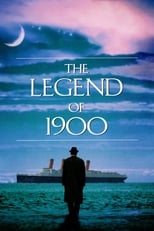
The Legend of 1900

1900 explains to Max how he draws inspiration for his music by observing the passengers on the ship. He describes various individuals, creating vivid backstories and personalities for them based on their appearance and demeanor, demonstrating his unique ability to 'read' people.

Start a free 7-day trial — 5 downloads a day, unlimited when Pro begins

Rehearse this scene
Rehearse on your terms

Choose your role and voices for the other characters. Run the scene at your own pace.

Scene PreviewExcerpt — subscribe to read full scene

MAX

Where do you get it? - What? 1900 The music. - I don't know. You see that woman
End of preview. Continue with Pro below.

7 days freeYour next rehearsal starts here

Found your next scene? Make it yours.

Start your free trial and read Where Do You Get It? in full, with access to 1,000+ monologues and scenes to explore next.

  • Read the full scene and explore the library
  • Download your script in a clean, printable format
  • Take it into rehearsal with the Script Reader
Casting Types
Get Feedback
Coming Soon

Want expert coaching on this scene?

Browse our curated list of acting coaches, dialect specialists, and more.

Find a Coach

Need representation?

Browse verified agents and casting directors in our directory.

Scene Notes & Audition Tips

5 sections
About This Scene

This dramatic duologue from *The Legend of 1900* presents a fascinating insight into the character of 1900, a prodigious musician. In this scene, 1900 eloquently describes his unique method of finding inspiration for his music by meticulously observing the passengers on the ship. He masterfully invents rich backstories and personalities for various individuals he points out, demonstrating an extraordinary ability to deeply understand and interpret human nature.

Character Analysis

1900 is a deeply perceptive and artistic individual, an outsider who has honed his observational skills living an isolated life on a ship. His monologue reveals a keen intellect and a profound empathy, allowing him to 'read' people's inner lives from their outward appearance and demeanor. This scene showcases his quirky, perhaps almost savant-like, ability to translate these observations into musical inspiration, highlighting his unique connection to the human condition despite his limited worldly experience.

Why This Works for Auditions

This scene is a fantastic choice for auditions because it offers a nuanced and compelling monologue for the actor playing 1900. It allows for a rich display of character acting, moving from detailed observation to imaginative storytelling, revealing both intellect and a soulful artistic temperament. The dialogue provides ample opportunity to showcase vocal variety, dynamic pacing, and the ability to build vivid pictures with words, making it ideal for demonstrating a strong command of character.

Best Suited For

This scene is particularly well-suited for male actors in the 25-35 age range who are looking to showcase their abilities as character actors or those who can embody artistic and philosophical types. It's excellent for demonstrating a vulnerable yet insightful stage presence, making it ideal for drama school auditions, self-tapes, and general practice for roles that require a quirky and observant sensibility. Actors who excel at creating distinctive character voices and have an aptitude for conveying deep thought and emotion will find this piece rewarding.

Performance Tips

When approaching 1900, focus on the joy and wonder he finds in his observations. Allow his descriptions of the passengers to be vibrant and specific, painting a clear picture for the audience of the individuals he is envisioning. Pay close attention to the rhythm and musicality of the language, letting it inform your delivery and convey 1900's artistic soul. Embrace the quirky and philosophical aspects of his personality, ensuring that while he is an outsider, his connection to humanity is palpable and deeply felt.

Explore this topic