Film
monologue
Drama
Thriller

Who We Are

from Bridge of Spies

Written by Matt Charman, Ethan Coen, Joel Coen

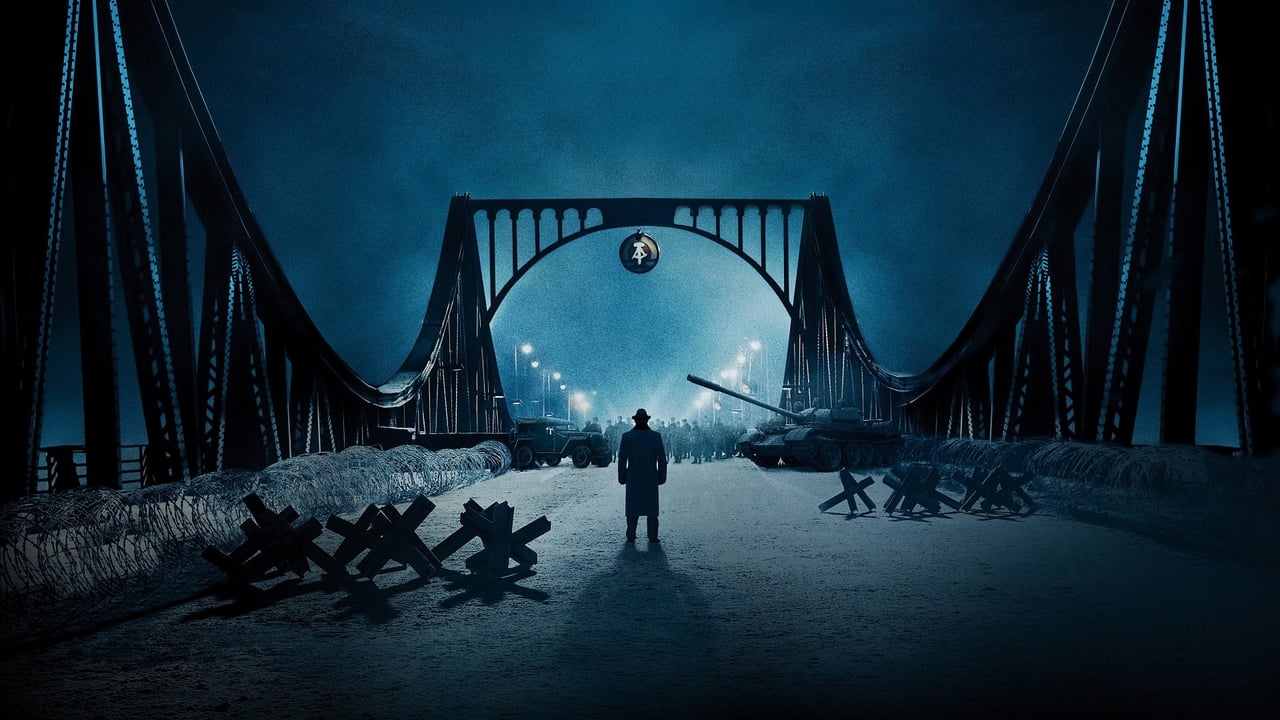
Bridge of Spies

James Donovan delivers a powerful closing argument to the Supreme Court, defending the constitutional rights of a Soviet spy during the Cold War.

Start a free 7-day trial — 5 downloads a day, unlimited when Pro begins

Rehearse on your terms

Take this monologue into rehearsal and work through it at your own pace.

Scene PreviewExcerpt — subscribe to read full scene

DONOVAN

Mr. Chief Justice, and may it please the court. “The Cold War” isn’t just a phrase, Your Honors. It’s not just a figure of speech. Truly a battle is being fought, between two competing views of the world. I contend that Rudolf Ivanovich Abel -- Colonel Abel as he was called even by the men who arrested him -- is our foe in that battle. ...He was…

End of preview. Continue with Pro below.

7 days freeYour next rehearsal starts here

Found your next scene? Make it yours.

Start your free trial and read Who We Are in full, with access to 4,000+ monologues and scenes to explore next.

  • Read the full scene and explore the library
  • Download your script in a clean, printable format
  • Take it into rehearsal with the Script Reader
Casting Types
Get Feedback
Coming Soon

Want expert coaching on this scene?

Browse our curated list of acting coaches, dialect specialists, and more.

Find a Coach

Need representation?

Browse verified agents and casting directors in our directory.

Scene Notes & Audition Tips

5 sections
About This Scene

This powerful monologue features James Donovan delivering a crucial argument before the Supreme Court. Set against the tense backdrop of the Cold War, Donovan is defending the constitutional rights of a Soviet spy, Rudolf Abel. The scene encapsulates a pivotal moment where American ideals of justice and due process are tested, challenging the court to uphold principles even for an enemy. It is a moment of profound moral and legal conviction, designed to sway the highest judicial body in the land.

Character Analysis

Donovan is presented as a man of unwavering integrity and sharp intellect, embodying the "Lawyer" and "Authority Figure" casting types. Despite the intense political pressure and public sentiment against his client, he maintains a steadfast commitment to the rule of law and the principles upon which the American justice system is built. He is also an "Everyman" in his grounded approach, using common sense and eloquent reasoning to articulate a complex moral argument. His character is defined by his courage to stand for what is right, even when it is unpopular, making him a compelling "Leading Man" figure.

Why This Works for Auditions

This monologue is an exceptional choice for auditions because it showcases an actor's ability to embody complex ethical dilemmas with gravitas and conviction. The "powerful" tone and dramatic stakes allow for a significant display of emotional depth and intellectual command without resorting to overt melodrama. It effectively demonstrates an actor's skill in handling sustained focus and articulate speech, presenting a character who is both principled and persuasive. The monologue's build-up to its poignant conclusion offers a clear arc for an actor to inhabit and project.

Best Suited For

This monologue is perfectly suited for male actors in the 45-55 age range who can embody the wisdom, experience, and moral fortitude of James Donovan. It's an excellent piece for "drama-school-audition" settings, as it demands strong analytical and performance skills. Actors looking for material for an "agent-showcase" or "self-tape" will find its dramatic impact and intellectual weight highly effective. Its strong narrative and compelling argument also make it ideal for a "competition," providing ample opportunity to impress judges with a commanding and thoughtful performance.

Performance Tips

When approaching this monologue, focus on Donovan's deep-seated conviction and his commitment to principle over expediency. Emphasize the precise, measured delivery of his arguments, allowing each point to land with clarity and weight. Remember that while he is passionate, his passion is expressed through intellect and moral authority, not necessarily through overt emotional display. Connect with the underlying themes of "justice" and "integrity," allowing these values to inform your posture, vocal tone, and eye contact with the imagined justices.

Explore this topic