
Film
duologue
Drama

Woltz Dining Room

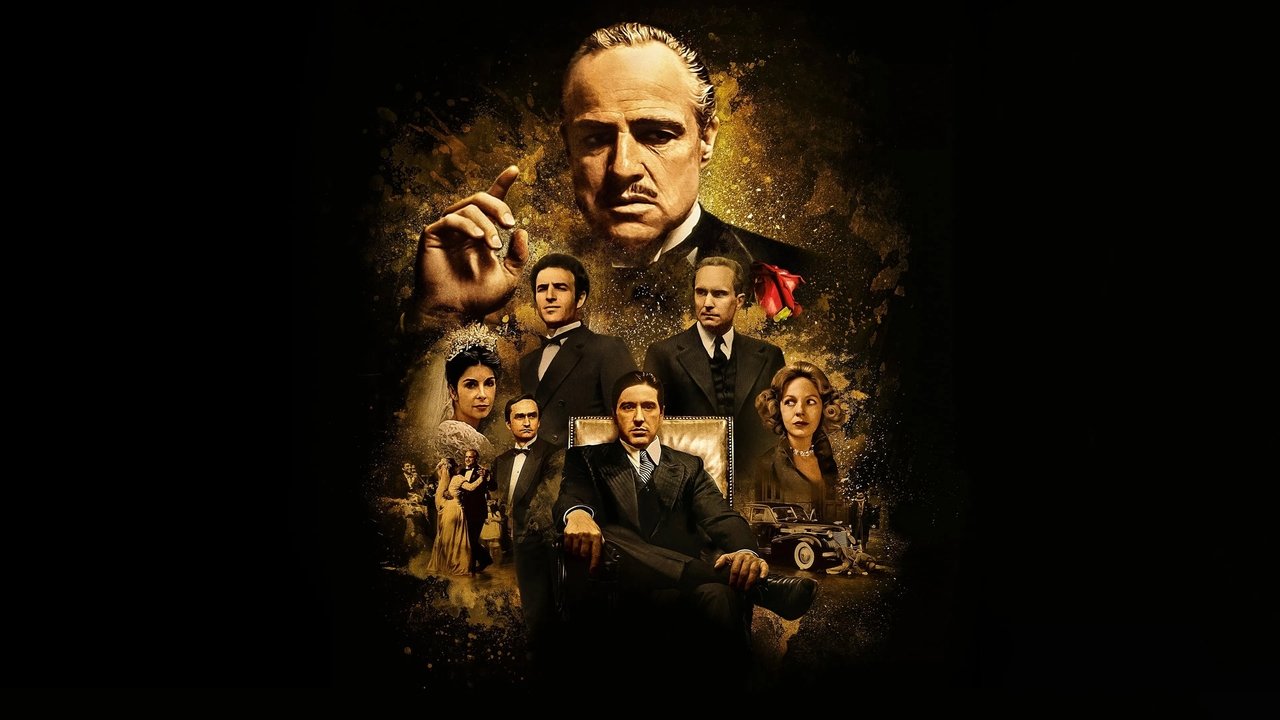
from The Godfather

Written by Francis Ford Coppola, Mario Puzo

The Godfather

Tom Hagen, representing Don Corleone, attempts to persuade studio executive Jack Woltz to cast Johnny Fontane in his next film. Woltz vehemently refuses, revealing his deep-seated hatred for Fontane, who he believes ruined his starlet protégé.

Start a free 7-day trial — 5 downloads a day, unlimited when Pro begins

Rehearse this scene
Rehearse on your terms

Choose your role and voices for the other characters. Run the scene at your own pace.

Scene PreviewExcerpt — subscribe to read full scene

Mr. Corleone is Johnny's Godfather. That is very close, a very sacred religious relationship.

Okay, but just tell him this is one favor I can't give. But he should try me again on anything else.

He never asks a second favor when he has been refused the first. Understood?

You smooth son of a bitch, let me lay it on the line for you, and your boss. Johnny…

End of preview. Continue with Pro below.

7 days freeYour next rehearsal starts here

Found your next scene? Make it yours.

Start your free trial and read Woltz Dining Room in full, with access to 1,000+ monologues and scenes to explore next.

  • Read the full scene and explore the library
  • Download your script in a clean, printable format
  • Take it into rehearsal with the Script Reader
Casting Types
Get Feedback
Coming Soon

Want expert coaching on this scene?

Browse our curated list of acting coaches, dialect specialists, and more.

Find a Coach

Need representation?

Browse verified agents and casting directors in our directory.

Scene Notes & Audition Tips

5 sections
About This Scene

This intense duologue, set in the lavish dining room of a Hollywood executive, features HAGEN and WOLTZ locked in a fierce battle of wills. It masterfully showcases a negotiation that quickly devolves into a raw exposure of personal vendettas and power dynamics. The scene is a compelling study of how deeply personal grievances can obstruct professional dealings, escalating the tension with every line exchanged between the two strong-willed men.

Character Analysis

HAGEN, as counsel to Don Corleone, embodies a calm, measured intelligence, attempting to navigate a delicate request with strategic communication. He represents a powerful, unseen force, yet maintains a composed demeanor despite the escalating provocations. WOLTZ, on the other hand, is a volatile and arrogant film executive whose outward sophistication barely masks a simmering rage and deep-seated prejudice, making him unpredictable and explosive.

Why This Works for Auditions

This scene is ideal for auditions because it provides rich character material and a clear dramatic arc within a short timeframe. The shifting power dynamics and the explosion of underlying motivations offer excellent opportunities for actors to showcase a wide range of emotional expression, from controlled persuasion to unbridled fury. The established tension allows for compelling choices in subtext and vocal delivery without requiring extensive physical movement.

Best Suited For

This duologue is perfectly suited for male actors aged 45-55 who can portray characters with authority, whether it's through steely control or volatile aggression. It is particularly effective for actors targeting roles such as business executives, lawyers, or complex villains. The intense tone and sophisticated dialogue make it excellent material for self-tapes, general practice, or as a strong agent-showcase piece.

Performance Tips

When approaching this scene, HAGEN should focus on projecting an underlying strength and unwavering loyalty through subtle vocal modulation and precise, unhurried delivery, even as Woltz becomes more agitated. WOLTZ, conversely, benefits from a performance that starts with a veneer of dismissive charm, slowly cracking to reveal the seething anger and personal humiliation beneath. Pay close attention to the escalating rhythm of the dialogue and the unspoken power plays to fully exploit the dramatic potential of the confrontation.

Explore this topic