Top Audition Scenes from Award-Winning Films
The best film scenes for audition and class work tend to come from scripts that won something for the writing or the acting. The conflict is on the page and the actor has something to play from the first line. Here are five from the AuditionScenes library, what each one tests and who it suits.
Why award-winning scripts make good audition material
A script that won for its writing usually gives each character a clear objective and an obstacle that pushes back. A performance that won for its actor tells you the scene can carry a whole character shift in a few pages. Both make your job easier in the room.
The catch is familiarity. Panels and casting directors know the famous performances, so play the situation in front of you and leave the original actor's choices alone.
1. The Interview: Frank T.J. Mackey, Magnolia
Paul Thomas Anderson's Magnolia won the Golden Bear at the Berlin International Film Festival in 2000. In The Interview, a self-help guru is giving a television interview when the journalist starts asking about his past and his mother's death. His bravado falls away into silence.
What it tests: holding high status and then losing it with the camera on you. The hardest part is the silence. Let it last longer than feels comfortable.
Who it suits: actors with big, confident energy who need to show the crack underneath it. The journalist is a strong part too, all patience and control.
Note for teachers: the script has strong language, so read it before you set it.
2. The Flea Market Argument, Eternal Sunshine of the Spotless Mind

Charlie Kaufman won the Academy Award for Best Original Screenplay for this film. The Flea Market Argument takes place inside Joel's memory as it is being erased. He relives a row in which Clementine tells him how badly she wants a child.
What it tests: playing an argument both people know will hurt. Clementine needs to be raw without tipping into shouting. Joel has to stay closed while part of him wants to give way.
Who it suits: actors in their twenties and thirties looking for a contemporary relationship scene with real stakes.
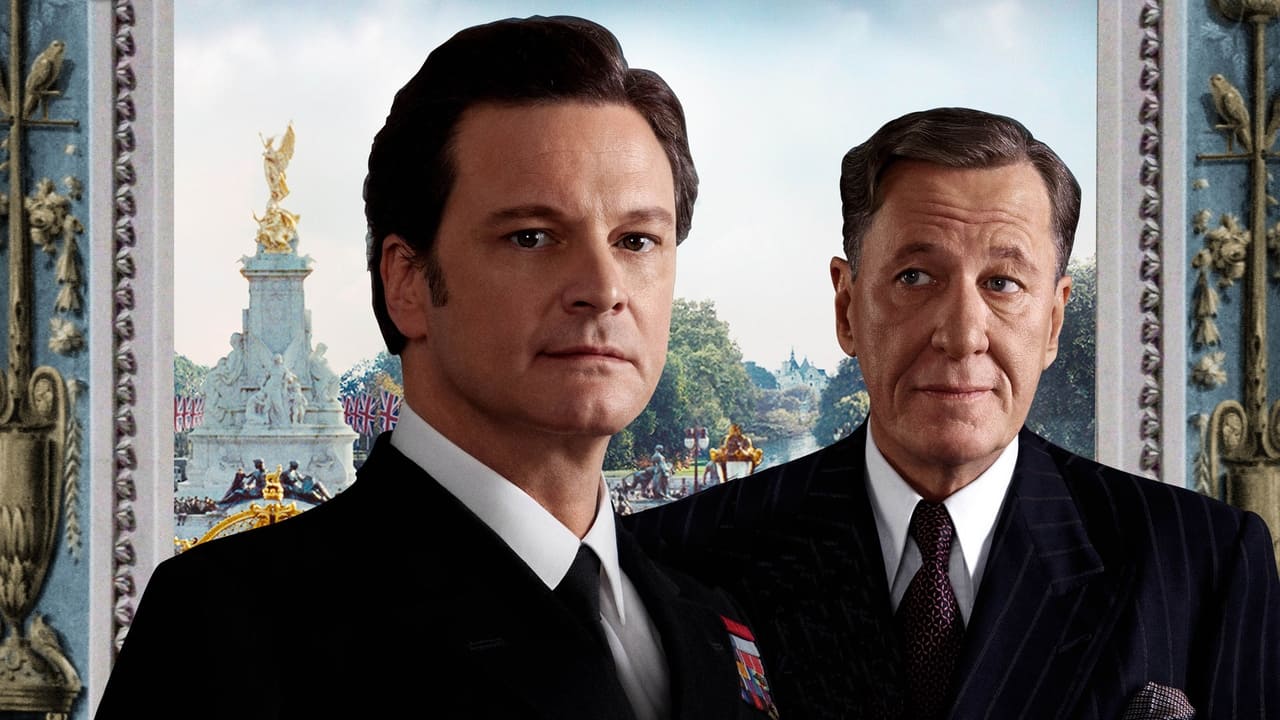
3. Bertie's First Session with Lionel, The King's Speech
The King's Speech won Best Picture, and David Seidler won the Academy Award for Best Original Screenplay. In Bertie's First Session with Lionel, Lionel Logue refuses to follow royal protocol while he tries to find the root of the Prince's stammer.
What it tests: status. Lionel has none of the rank and all of the control in the room. Bertie has the rank and none of the control.
Who it suits: two actors of contrasting temperament. It works well in class because you can swap the roles and the scene still holds.
On the stammer: play the fear of speaking. An impression of a real person's speech will pull focus from the scene.
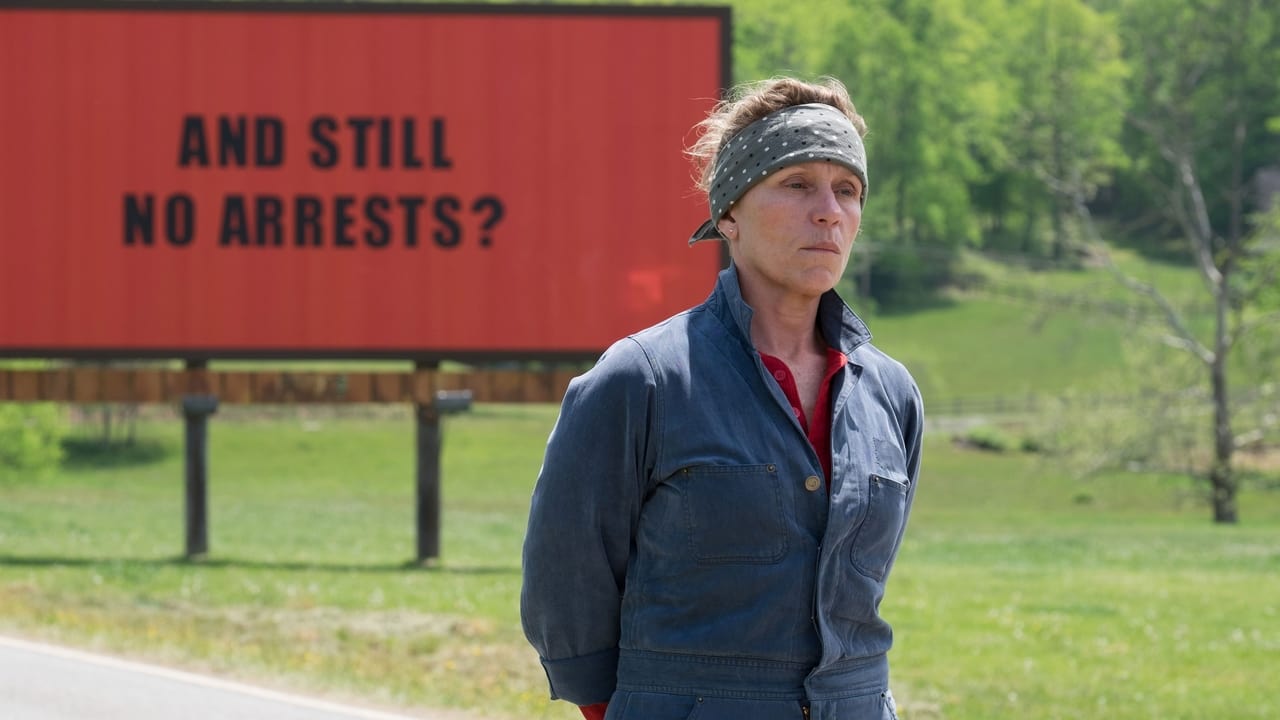
4. Chief Willoughby and Mildred Hayes, Three Billboards Outside Ebbing, Missouri
Frances McDormand won the Academy Award for Best Actress for playing Mildred. In this interrogation scene, the police chief confronts Mildred about her billboards and she gives him nothing.
What it tests: a character who refuses to be moved. Mildred's stillness is where her power comes from. Willoughby has to keep changing tactics to get anywhere.
Who it suits: actors over 40. Film scenes this strong for older actors are hard to find, so it's worth keeping on file.
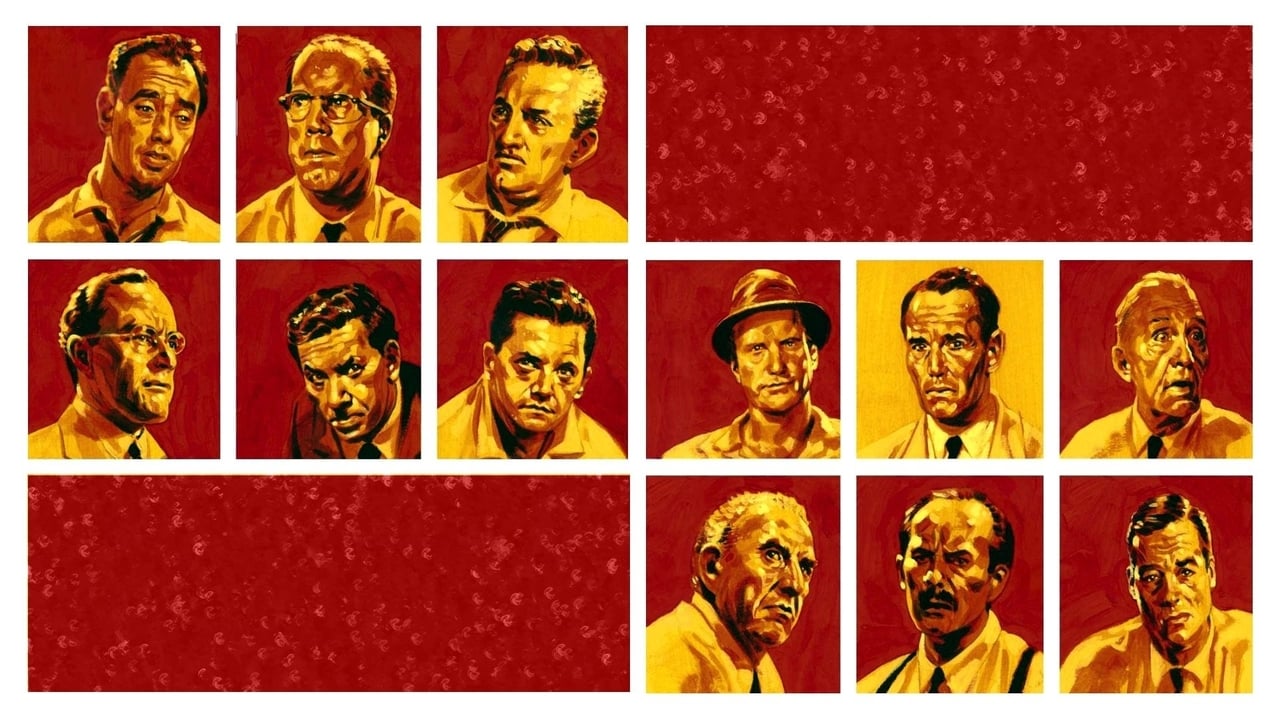
5. The Judge's Charge, 12 Angry Men
12 Angry Men won the Golden Bear at Berlin in 1957. The Judge's Charge is short: the judge gives the jury its final instructions in a murder trial where a guilty verdict carries a mandatory death sentence.
What it tests: weight without volume. There is nothing to emote. The stakes come from the words and from how still the actor can stay.
Who it suits: it is too short for most audition slots, but it makes a good class exercise. Give it to several students in turn and talk about how each one carries the weight of the sentence.
How to use film scenes in an audition
- Check the brief. Most UK drama schools ask for speeches from published plays, so keep film scenes for screen castings, showcases and class work.
- Watch the film once, then put it away and rehearse from the page.
- Cut for time with care. Keep the turn in the scene, even if you lose some of the set-up.
- For a self-tape duologue, find a reader who gives you something to play off. Our self-tape guide covers the set-up.
FAQ
Can I use a film monologue for a drama school audition?
Usually not. Most UK drama schools ask for speeches from plays. Check the official brief for each school before you choose. For screen castings and showcases, film scenes work well.
How long should an audition scene be?
Most briefs ask for one to two minutes per speech. Showcase duologues often run a little longer. Time the piece out loud, with room for pauses.
Should I watch the original performance?
Once, for context. Then work from the script so you're making your own choices.
Are these scenes suitable for teenagers?
Some are. The King's Speech and 12 Angry Men suit most groups. The Magnolia scene has strong language. Read each script before you set it.
For teachers
If you run classes, you can set any of these scenes as an assignment with a due date, have students submit their recordings in a private portal and give feedback on each one. Book a 15-minute demo or see how it works for drama schools.