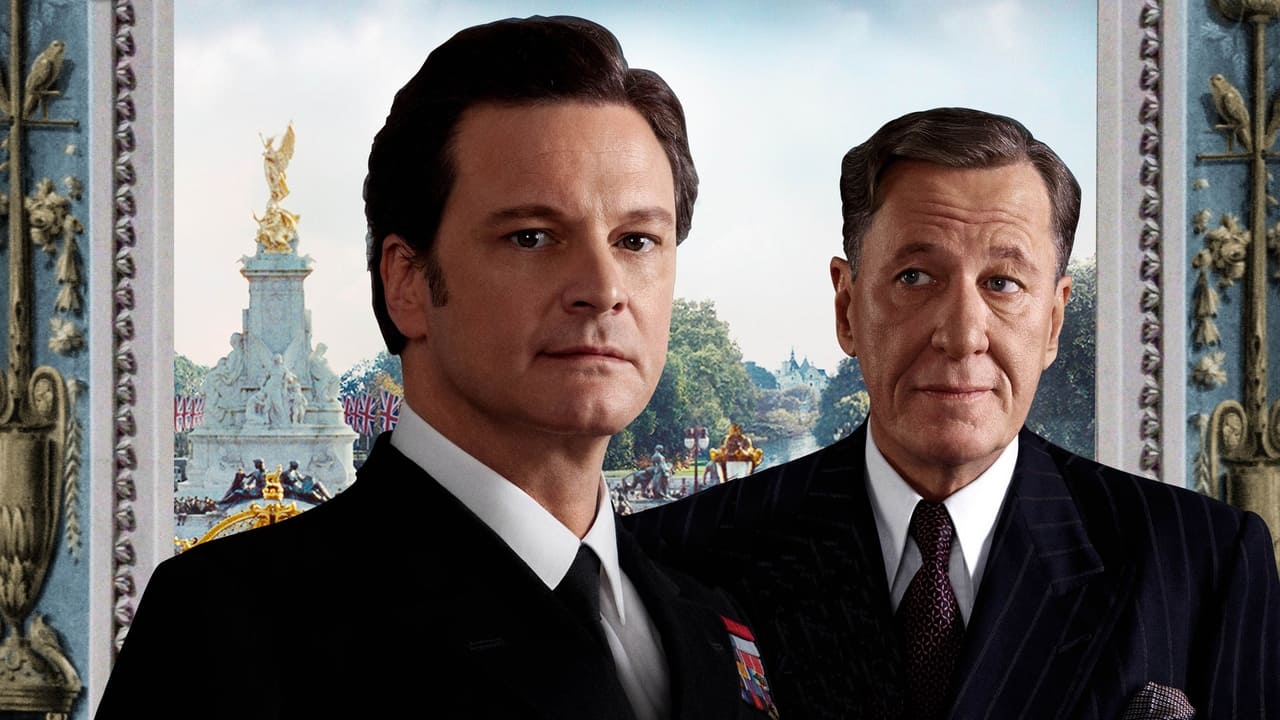
Film
duologue
Drama

A Family Crisis

from THe Kings Speech

Written by David Seidler

THe Kings Speech

King George V pressures his son Bertie to overcome his stammer, lamenting the changing role of the monarchy and his fears for the succession.

Start a free 7-day trial — 5 downloads a day, unlimited when Pro begins

Rehearse this scene
Rehearse on your terms

Choose your role and voices for the other characters. Run the scene at your own pace.

Scene PreviewExcerpt — subscribe to read full scene

BERTIE

I d-d-don't thu-thu-think I c-c-can.
End of preview. Continue with Pro below.

7 days freeYour next rehearsal starts here

Found your next scene? Make it yours.

Start your free trial and read A Family Crisis in full, with access to 4,000+ monologues and scenes to explore next.

  • Read the full scene and explore the library
  • Download your script in a clean, printable format
  • Take it into rehearsal with the Script Reader
Casting Types
Get Feedback
Coming Soon

Want expert coaching on this scene?

Browse our curated list of acting coaches, dialect specialists, and more.

Find a Coach

Need representation?

Browse verified agents and casting directors in our directory.

Scene Notes & Audition Tips

5 sections
About This Scene

This intense duologue from David Seidler's Oscar-winning film, "The King's Speech," captures a pivotal and deeply fraught moment between King George V and his son, Bertie, later King George VI. Set in a contemporary period, the scene reveals the immense pressure on Bertie to overcome his stammer, not just for personal comfort but for the very future of the British monarchy. It expertly layers themes of duty, succession, and the evolving role of royalty, all against a backdrop of escalating global political turmoil.

Character Analysis

Bertie is presented here as vulnerable and visibly struggling, his physical manifestation of anxiety returning in his father's imposing presence. Despite his stammer, he possesses a nascent strength and a keen, albeit suppressed, intellect, challenging his father's dismissive view of their family dynamic. King George V, on the other hand, is an authoritative, pragmatic, and deeply worried patriarch, burdened by the weight of history and the perceived weaknesses of his heirs. He is acutely aware of the changing world and the increasing demands on the monarchy, expressing his fears for the institution and the nation with stark, unflinching honesty.

Why This Works for Auditions

This duologue is exceptional for auditions due to its immediate high stakes and profound emotional depth, allowing actors to showcase a wide range of intense feelings. The clear power dynamic between father and son provides distinct character journeys within a compact timeframe, demanding nuanced performances. Furthermore, the scene offers rich text that explores complex themes like familial duty, personal inadequacy, and leadership, making it a compelling choice for demonstrating significant dramatic range and character insight.

Best Suited For

This scene is particularly well-suited for male actors in the 25-35 age range, especially those looking to portray characters with upper-class sensibilities, vulnerability, or authority. It is an excellent selection for drama school auditions, agent showcases, and self-tapes, where demonstrating the ability to navigate an intense emotional landscape is crucial. Actors who excel at conveying both external struggle and internal turmoil will find this material highly rewarding.

Performance Tips

When approaching this scene, actors should focus on the underlying tension and the profound implications of every line. For Bertie, pay close attention to the physical manifestation of his stammer and anxiety, ensuring it feels genuine and impacts his breathing and physicality without becoming a caricature. For King George V, embody his gravitas, his deep concern for his legacy, and the pragmatic, often harsh, love he has for his son, using his commanding presence to drive the scene's emotional core. Both actors should strive to listen actively and allow the verbal sparring to build genuine, palpable conflict.

Explore this topic