
Film
duologue
Drama

A Father's Hope

from Blood Diamond

Written by Edward Zwick, Marshall Herskovitz

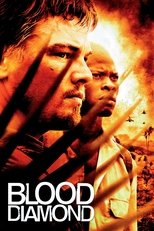
Blood Diamond

Archer attempts to pin down the exact location of a buried diamond using a map, but Solomon is preoccupied with the ritualistic sharpening of his machete. The tension between Archer's mercenary objectives and Solomon's grief over his son creates a profound emotional disconnect as they prepare for a dangerous journey.

Start a free 7-day trial — 5 downloads a day, unlimited when Pro begins

Rehearse this scene
Rehearse on your terms

Choose your role and voices for the other characters. Run the scene at your own pace.

Scene PreviewExcerpt — subscribe to read full scene

ARCHER

You say the mine is near the Moa River. Where exactly on this map?

SOLOMON

I do not need a map.

ARCHER

Well, I do. We're here.... The press convoy is going to Kaifahun. Diamond mines are here. Where did you bury it?

ARCHER

You understand, when we get to Kailahun, we're gonna have to go overland. You better damn well be able to find it.…

End of preview. Continue with Pro below.

7 days freeYour next rehearsal starts here

Found your next scene? Make it yours.

Start your free trial and read A Father's Hope in full, with access to 1,000+ monologues and scenes to explore next.

  • Read the full scene and explore the library
  • Download your script in a clean, printable format
  • Take it into rehearsal with the Script Reader
Casting Types
Get Feedback
Coming Soon

Want expert coaching on this scene?

Browse our curated list of acting coaches, dialect specialists, and more.

Find a Coach

Need representation?

Browse verified agents and casting directors in our directory.

Scene Notes & Audition Tips

5 sections
About This Scene

This duologue from *Blood Diamond* is a powerfully understated scene featuring Solomon and Archer. It unfolds with tension as Archer, focused on a map and a buried diamond, tries to extract information from Solomon, who is deeply engrossed in sharpening a machete. The scene powerfully illustrates a profound emotional disconnect between two men with very different priorities amidst a chaotic, war-torn backdrop.

Character Analysis

Solomon is a man consumed by grief and a desperate hope for his son's future. His meticulous ritual of sharpening the machete is a manifestation of his internal struggle and his single-minded focus on his family, even as Archer attempts to pull him toward a mercenary goal. Archer, in contrast, is driven by his objective to locate the diamond, though he is not entirely devoid of humanity as evidenced by his reaction to Solomon's profound pain. Both characters are complex, operating under immense pressure in a perilous environment.

Why This Works for Auditions

This scene is an excellent choice for auditions due to its raw emotional depth and the clear contrast it offers between two distinct character motivations. It provides ample opportunity for actors to showcase their ability to convey internal conflict and unspoken emotion, rather than relying on overt dialogue. The somber and determined tone allows for a nuanced performance, demonstrating an actor's capacity for vulnerability and intensity within a confined space.

Best Suited For

"A Father's Hope" is best suited for male-identifying actors in their 30s to 40s who are looking to embody gritty, intense, or leading man casting types. It particularly shines for those who can portray an everyman caught in extraordinary circumstances, or an anti-hero grappling with a moral compass. The scene is ideal for self-tapes, agent showcases, or general practice, offering a substantial dramatic challenge within a short runtime.

Performance Tips

When approaching this scene, focus on the stillness and internal life of your character. For Solomon, let the ritualistic sharpening of the machete be a window into his pain and singular focus, making every stroke deliberate and weighty. For Archer, convey his frustration and underlying urgency, but also allow space for his reaction to Solomon's emotional revelation to land sincerely. Pay close attention to the subtext and how each character's actions and limited dialogue subtly communicate their deeper motivations and vulnerabilities without overacting the powerful emotions present.

Explore this topic