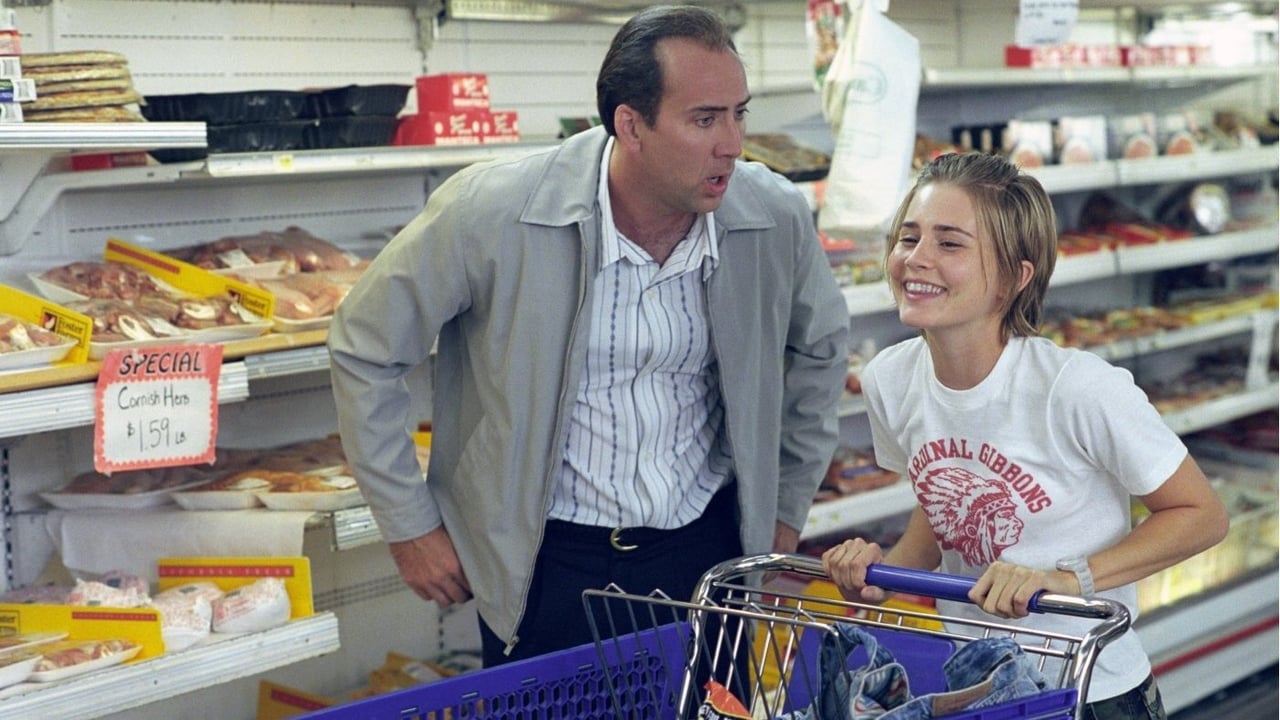
DR. KLEIN: What was her name?
ROY: Heather.
DR. KLEIN: Were you married? Kids?
ROY: Maybe. She was pregnant when she left me. Maybe I got a kid, maybe I don't.
DR. KLEIN: You haven't seen her since?
Roy, a professional con artist suffering from severe OCD and Tourette's, opens up to his psychiatrist about his failed marriage and a potential child he has never met. He describes a harrowing day of mental paralysis, illustrating the dark absurdity of his condition through his obsession with his carpet.
DR. KLEIN: What was her name?
ROY: Heather.
DR. KLEIN: Were you married? Kids?
ROY: Maybe. She was pregnant when she left me. Maybe I got a kid, maybe I don't.
DR. KLEIN: You haven't seen her since?
Format: Duologue · Genre: Crime Drama · Source: Matchstick Men · Author: Nick Griffin · Characters: Roy, Dr. Klein
This compelling duologue from the film Matchstick Men offers a raw and insightful glimpse into the mind of Roy, a professional con artist grappling with severe OCD and Tourette's. In this intense therapy session with Dr. Klein, Roy reluctantly reveals the deep-seated regrets of a failed marriage and the possibility of a child he has never known. The scene's power lies in Roy's darkly humorous description of a "good day" spent incapacitated by his mental health struggles, finding an absurd connection with his carpet fibers.
Roy is a complex character—intensely vulnerable beneath a veneer of desperation and dark humor. His internal conflict is palpable, as he attempts to rationalize his erratic behavior and emotional turmoil to Dr. Klein while simultaneously revealing his crushing sense of regret and the debilitating effects of his condition. Dr. Klein, on the other hand, embodies a calm, professional demeanor, acting as a crucial anchor for Roy's chaotic confession and guiding him through his revelations with understated questions. The dynamic between their contrasting energies is central to the scene's dramatic tension.
This scene is an excellent choice for auditions due to its immediate emotional impact and the clear arc of Roy's revelation. It showcases a wide range of emotions—from anger and despair to a unique brand of gallows humor—all within a concise timeframe. The duologue format allows actors to demonstrate their ability to listen and react authentically, while also holding their own in a powerful performance. For actors aiming to display depth and emotional intelligence, this piece provides ample opportunity without relying on grand gestures.
This scene is ideally suited for male actors in their 40s to 50s, particularly those looking to portray a character with significant emotional depth and a complex inner life. It's perfect for character actors and those often cast as an "Everyman" type who can convincingly inhabit intense and vulnerable roles. Given the themes of mental health, regret, and dark humor, it's also highly effective for actors seeking to demonstrate their range in crime drama or contemporary dramatic pieces.
When approaching Roy, lean into his internal struggle and the physical manifestations of his conditions without overplaying them. The dark humor in his lines should emerge from his desperation, not as a punchline. For Dr. Klein, focus on active listening and a grounded, empathetic presence, allowing Roy's intensity to fill the space. Pay close attention to the beats and pauses in the script, as these are crucial for building tension and allowing the weight of Roy's confessions to land. Remember to subtly convey the years of suppressed emotion and the profound impact of regret on his life.