Skip to content
    Film
    monologue
    Drama

    A Pope Who Doubts

    from Conclave

    Oscar WinnerBAFTA WinnerGolden Globe

    Written by Peter Straughan

    Conclave

    2 min · 1 character · Male · 55+

    Cardinal Lawrence delivers a powerful sermon to the College of Cardinals, arguing that doubt is essential to faith and certainty is a sin.

    Start a free 7-day trial — 5 downloads a day, unlimited when Pro begins

    Rehearse on your terms

    Take this monologue into rehearsal and work through it at your own pace.

    Scene PreviewExcerpt — subscribe to read full scene

    LAWRENCE

    But you all know that.

    LAWRENCE

    Let me speak from the heart for the moment.

    LAWRENCE

    St Paul said “Be subject to one another out of reverence for Christ.” To work together, and grow together, we must be tolerant.

    End of preview. Continue with Pro below.

    7 days freeYour next rehearsal starts here

    Found your next scene? Make it yours.

    Start your free trial and read A Pope Who Doubts in full, with access to 9,000+ monologues and scenes to explore next.

    • Read the full scene and explore the library
    • Download your script in a clean, printable format
    • Take it into rehearsal with the Script Reader
    Casting Types
    Get Feedback
    Coming Soon

    Want expert coaching on this scene?

    Browse our curated list of acting coaches, dialect specialists, and more.

    Find a Coach

    Need representation?

    Browse verified agents and casting directors in our directory.

    Scene Notes & Audition Tips

    5 sections
    About This Scene

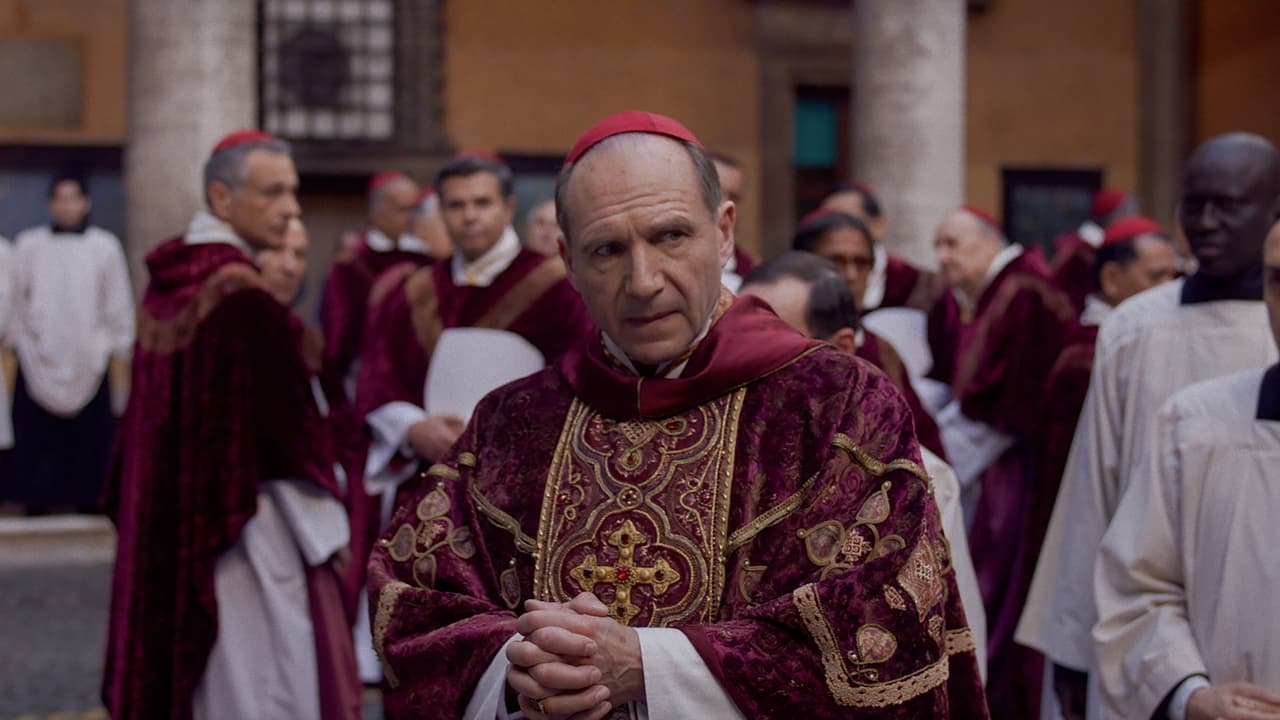
    In Peter Straughan's contemporary drama Conclave, Cardinal Lawrence addresses the gathered College of Cardinals during a pivotal moment of institutional transition. Stepping away from prepared remarks to speak directly from the heart, he delivers an impassioned homily on the nature of belief and leadership. Lawrence confronts his peers with a startling theological challenge, asserting that unwavering certainty is the true enemy of unity and tolerance. The speech shifts the atmosphere in the room from polite formality to profound shock, positioning humility and doubt as the core virtues needed in their next spiritual leader.

    Character Analysis

    Lawrence is a sophisticated, deeply experienced clergyman in his sixties who carries the weight of high ecclesiastical authority. He is a thoughtful and principled man who understands institutional politics intimately, yet chooses to risk controversy by voicing uncomfortable truths. Rather than projecting absolute confidence or rigid dogma, he displays an intense vulnerability grounded in a lifetime of service. His leadership style is reflective, courageous, and compassionate, rooted in the conviction that true faith requires wrestling with human imperfection and uncertainty.

    Why This Works for Auditions

    This monologue offers mature actors an exceptional vehicle for demonstrating commanding presence without relying on theatrical bombast. The text features a compelling internal progression, beginning with quiet candour and building toward a potent philosophical thesis that disrupts the status quo. Auditors will appreciate how effectively the speech tests rhetorical timing, intellectual clarity, and the ability to hold high status while projecting genuine inner conflict. Because the stakes affect an entire institution, the piece provides strong dramatic momentum within a concise, two-minute window.

    Best Suited For

    The piece is ideally tailored for male actors aged fifty-five and older seeking refined, dramatic material for self-tapes, agent showcases, drama school auditions, and competition rounds. It is an outstanding fit for casting profiles aligned with authority figures, clergy, sophisticated statesmen, and mature leading men. Casting directors looking for gravitas, intelligence, and emotional depth will find this monologue particularly memorable.

    Performance Tips

    Resist the temptation to preach aggressively; Lawrence is sharing an earned conviction rather than scolding his audience. Begin with a warm, conversational intimacy that draws listeners in before elevating your vocal energy to meet the grandeur of the philosophical argument. Mark the specific beats where Lawrence recognizes the rising unease in the room, letting the silence between your phrases carry psychological weight. Keep your physicality centered, steady, and economical, allowing the radical clarity of his ideas to command the space.

    No ratings yet
    Sign in to rate