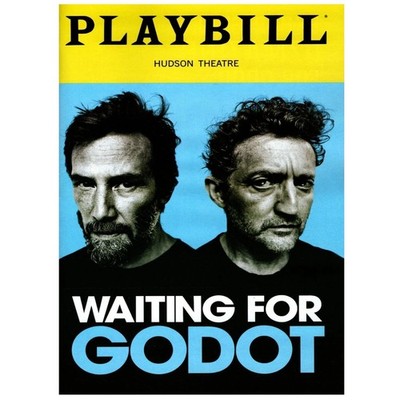
Two tramps, Vladimir and Estragon, reunite by a leafless tree to wait for the mysterious Godot. They engage in circular, existential banter regarding their physical ailments, their past, and the futility of their existence.
ESTRAGON: Nothing to be done.
VLADIMIR: I'm beginning to come round to that opinion. All my life I've tried to put it from me, saying, Vladimir, be reasonable, you haven't yet tried everything. And I resumed the struggle. So there you are again.
ESTRAGON: Am I?
VLADIMIR: I'm glad to see you back. I thought you were gone for ever.
About This Scene
This compelling duologue, "Act I — Nothing to be Done," plunges into the unique relationship between Vladimir and Estragon, two tramps engaged in an endless waiting game. The scene is infused with a vulnerable tone as they grapple with the seemingly futile nature of their existence and the passing of time. This particular snippet provides a fantastic entry point into their dynamic, showcasing their circular conversations and underlying connection amidst an absurd world.
Character Analysis
Vladimir is presented as slightly more reflective, perhaps a little more burdened by the philosophical implications of their situation, even while struggling to maintain a semblance of reason. Estragon, on the other hand, operates with a more immediate, visceral awareness of his physical discomfort and present circumstances, often cutting through Vladimir's musings with blunt observations. Both characters share a profound, almost codependent friendship, often expressed through their shared vulnerability and mutual reliance in the face of an uncertain future. They are archetypal everymen, embodying universal struggles with meaning and friendship.
Why This Works for Auditions
This scene is an excellent choice for auditions due to its demonstration of nuanced comedic timing blended with deep emotional vulnerability. It allows actors to showcase their ability to inhabit complex characters who exist between despair and fleeting hope, delivering dialogue that is both profound and utterly ridiculous. The established 4-minute duration is perfect for most audition requirements, providing ample time to build character and explore the scene's dynamic without overstaying its welcome.
Best Suited For
This piece is particularly suitable for male actors in the 45-55 age range who are looking to embody the "Character Actor," "Best Friend," or "Everyman" casting types. Its blend of vulnerable comedy and dramatic depth makes it ideal for drama school auditions, agent showcases, or general practice to hone skills in complex character work. Actors comfortable with exploring themes of absurdism and existentialism will find this material especially rewarding.
Performance Tips
When approaching this scene, focus on the inherent rhythm and musicality of the dialogue; Beckett's language is precise and intentional. Explore the physical discomforts mentioned, using them to ground your character in their immediate reality, but without over-emphasizing them to the detriment of the intellectual and emotional struggle. Allow the vulnerability of both characters to surface through pauses and glances, conveying their deep, if often unspoken, reliance on each other. Lean into the tragicomic elements, finding the humor in their despair and the pathos in their repetitive banter.