Play
duologue
Drama

Act I, Scene 2 — Blanche and Stanley's First Meeting

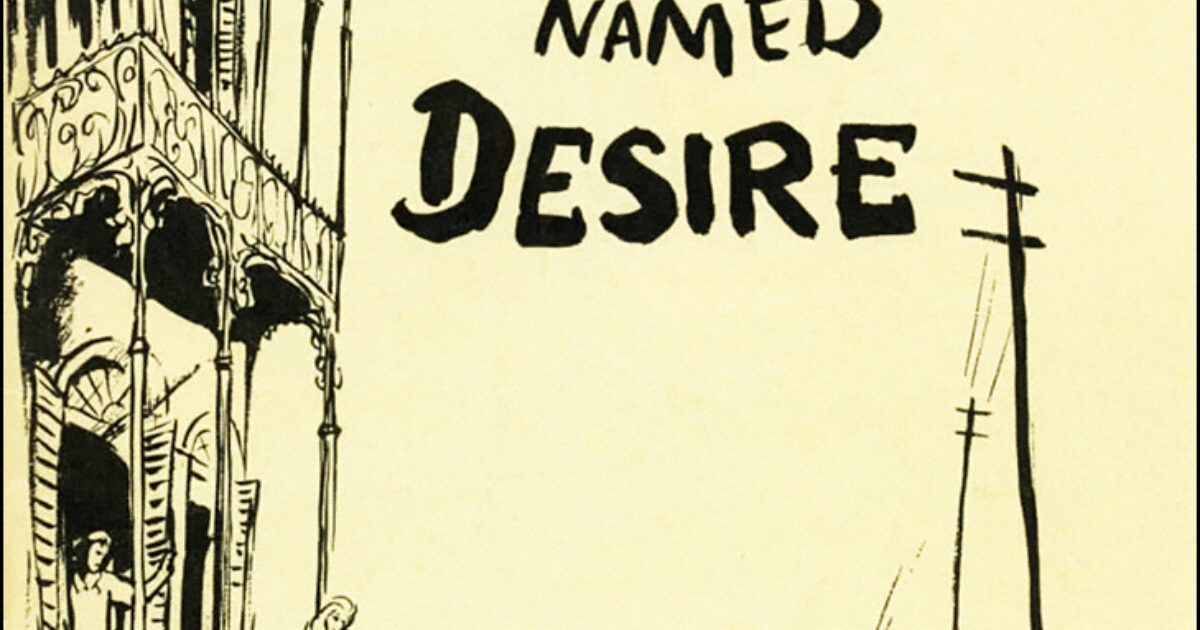
from A Streetcar Named Desire

Written by Tennessee Williams

Act I, Scene 2 — Blanche and Stanley's First Meeting from A Streetcar Named Desire — audition scene

Blanche DuBois arrives at her sister Stella's apartment and meets Stella's husband, Stanley Kowalski, for the first time. The scene immediately establishes the stark contrast between their personalities and social backgrounds, with Stanley's crude directness clashing with Blanche's delicate sensibilities.

Start a free 7-day trial — 5 downloads a day, unlimited when Pro begins

Rehearse this scene
Rehearse on your terms

Choose your role and voices for the other characters. Run the scene at your own pace.

Scene PreviewExcerpt — subscribe to read full scene

STANLEY

Stella's sister?

BLANCHE

Yes.

STANLEY

H'lo. Where's the little woman?

BLANCHE

In the bathroom.

STANLEY

Oh. Didn't know you were coming in town.

End of preview. Continue with Pro below.

7 days freeYour next rehearsal starts here

Found your next scene? Make it yours.

Start your free trial and read Act I, Scene 2 — Blanche and Stanley's First Meeting in full, with access to 1,000+ monologues and scenes to explore next.

  • Read the full scene and explore the library
  • Download your script in a clean, printable format
  • Take it into rehearsal with the Script Reader
Casting Types
Get Feedback
Coming Soon

Want expert coaching on this scene?

Browse our curated list of acting coaches, dialect specialists, and more.

Find a Coach

Need representation?

Browse verified agents and casting directors in our directory.

Scene Notes & Audition Tips

5 sections
About This Scene

This scene, Act I, Scene 2 from Tennessee Williams' classic play *A Streetcar Named Desire*, immediately plunges the audience into the compelling and volatile relationship between Blanche DuBois and Stanley Kowalski as they meet for the very first time. Lasting approximately four minutes, this duologue is a masterclass in establishing character, conflict, and simmering tension right from the outset. It meticulously lays the groundwork for the ensuing drama, highlighting the vast chasm between their social worlds and personal temperaments.

Character Analysis

Blanche is presented as delicate and acutely aware of appearances, attempting to maintain a facade of refinement despite clearly being on edge and vulnerable. Her discomfort is palpable, hinting at anxieties and a past she wishes to conceal. Stanley, in stark contrast, is direct, primal, and unapologetically himself, representing a raw masculinity that challenges Blanche's cultivated sensibilities. He observes her with an almost predatory gaze, immediately assessing and dismantling her composure, establishing his dominance in their first interaction.

Why This Works for Auditions

This scene offers actors a fantastic opportunity to showcase their ability to navigate complex power dynamics and subtle emotional shifts. The immediate tension and stark contrast between Blanche and Stanley provide rich material for portraying vulnerability, guardedness, and assertive masculinity. Both roles demand a strong presence and the skill to convey a wealth of unspoken thoughts and feelings through subtext and physicality, making it ideal for demonstrating nuanced character work.

Best Suited For

This duologue is exceptionally well-suited for actors aiming for drama school auditions, self-tapes, or competition pieces. Its intense tone and character-driven nature allow actors to demonstrate range in portraying either a leading lady with a fragile exterior or an anti-hero with a forceful, commanding presence. The roles are suitable for actors aged 25-45 and can brilliantly showcase a performer's ability to embody classic dramatic archetypes and engage in dynamic scene work.

Performance Tips

For Blanche, focus on the subtle gestures and vocal inflections that betray her nervousness and attempts to maintain composure. Her moments of withdrawal and faint laughter can reveal her deep-seated anxieties and how she uses artifice as a shield. For Stanley, embody his directness and physical ease, letting his actions and unpolished dialogue underscore his inherent power and lack of concern for social niceties. The key for both is to highlight the underlying tension and the immediate clash of their worlds without overplaying the dramatic elements, allowing the subtext to do much of the work.

Explore this topic