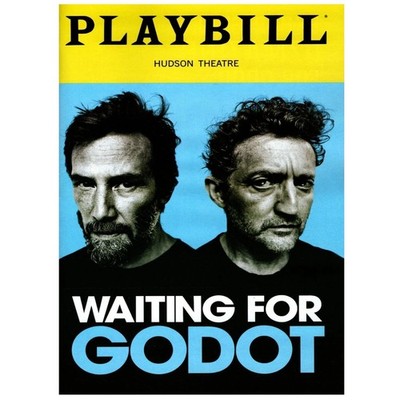
Pozzo erupts in a nihilistic fury over the nature of time and mortality before departing. Vladimir and Estragon are left alone once more, grappling with loneliness and the futility of their existence.
POZZO: One day we were born, one day we shall die, the same day, the same second, is that not enough for you? They give birth astride of a grave, the light gleams an instant, then it's night once more.
ESTRAGON: Why will you never let me sleep?
VLADIMIR: I felt lonely.
ESTRAGON: I was dreaming I was happy.
VLADIMIR: That passed the time.
About This Scene
This poignant scene from Samuel Beckett's "Waiting for Godot" captures a profound moment of despair and existential reflection. Pozzo, in a flash of raw emotion, delivers a powerful monologue on the transient nature of life before his departure, leaving Vladimir and Estragon to confront their own enduring loneliness and the ceaseless march of time. The dialogue here is sparse yet deeply impactful, encapsulating the play's signature blend of absurdity and profound human truth.
Character Analysis
Pozzo, while often bombastic, reveals a deep vulnerability in this particular excerpt, grappling with the inevitability of death and the fleetingness of existence. His outburst is a desperate cry against the harsh realities of life. Vladimir and Estragon, on the other hand, revert to their characteristic dependence and quiet desperation, with Estragon longing for escape through sleep and Vladimir admitting to a profound sense of isolation. Each character, despite their differing expressions, shares a core of human fragility and a search for meaning in a seemingly meaningless world.
Why This Works for Auditions
This scene is an excellent choice for auditions due to its dramatic weight and the opportunity it provides for actors to showcase a significant emotional range within a short duration. The shifts between Pozzo's explosive nihilism and Vladimir and Estragon's quiet sorrow demonstrate versatility in tone and character work. It allows actors to delve into complex philosophical themes and portray deeply human emotions like fear, loneliness, and resignation without relying on overly theatrical gestures, making it compelling and nuanced.
Best Suited For
This scene is ideally suited for male actors aged 35-45 looking for drama school auditions, general practice, or competition material. It particularly shines for character actors, everyman types, and those who excel at portraying vulnerability or dramatic depth. Actors who can convey profound internal struggle and philosophical thought through understated performances will find this scene a powerful vehicle for their talents, aligning well with the vulnerable tone and modern-classic period.
Performance Tips
When approaching this scene, focus on the internal journeys of the characters rather than external theatrics. For Pozzo, allow his monologue to build in intensity, letting the absurdity of his despair resonate deeply beneath the surface. For Vladimir and Estragon, emphasize their weary resignation and understated longing; Vladimir's simple "I felt lonely" carries immense weight, as does Estragon's wistful "I was dreaming I was happy." Pay close attention to the rhythm of the dialogue and the silences between lines, as these are just as significant in conveying the characters' states of mind and the play's overarching themes of existentialism and futility.