Skip to content
    Film
    duologue
    Drama

    Altameyer Holds Serling at Gunpoint on the Train Tracks

    from Courage Under Fire

    Written by Patrick Sheane Duncan

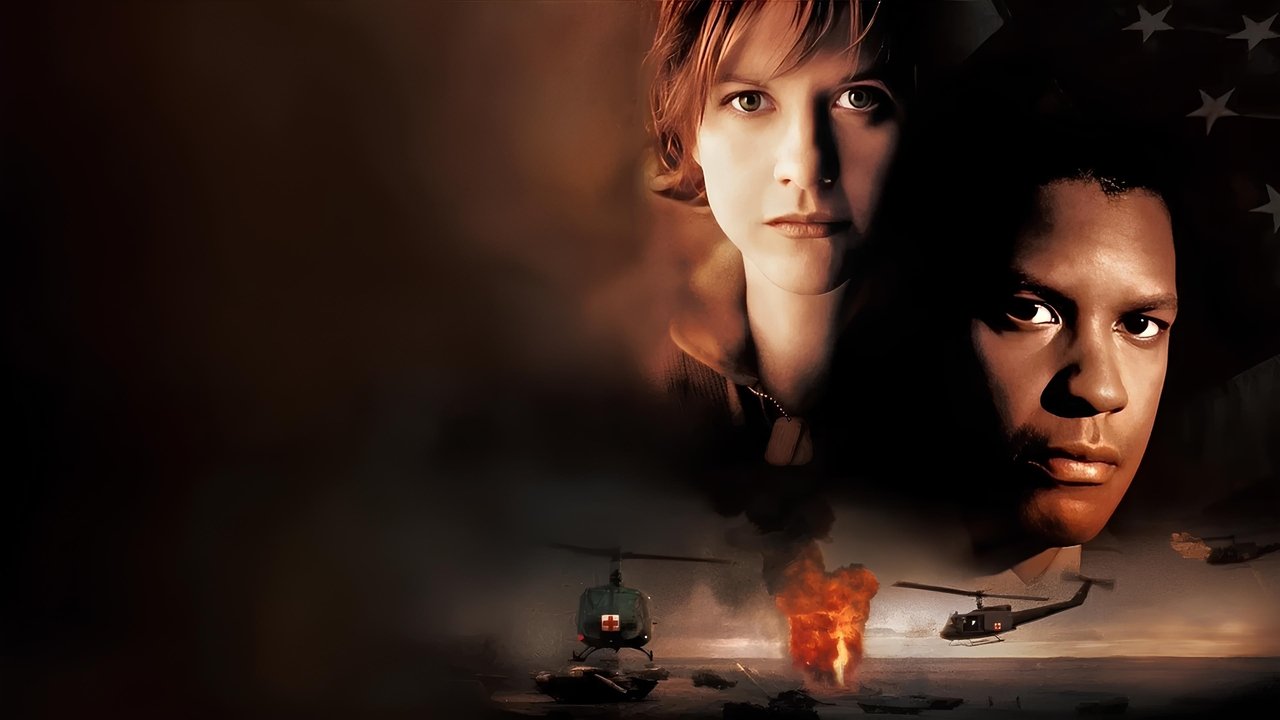
    Courage Under Fire

    3 min · 2 characters · Any gender · 25-35

    A guilt-ridden soldier holds his superior officer at gunpoint on a train track while grappling with the morality of combat and a dark secret.

    Start a free 7-day trial — 5 downloads a day, unlimited when Pro begins

    Rehearse this scene
    Rehearse on your terms

    Choose your role and voices for the other characters. Run the scene at your own pace.

    Scene PreviewExcerpt — subscribe to read full scene

    ALTAMEYER

    Might lose my gig with the Rangers. C.O.'s pissed at me. Probably send me to the regular Infantry. That's okay. Let him. Infantry man. It's not a career, it's a shitty job. When you join up do they tell you in the job description that you're supposed to kill people? I mean, you'd think that's a given, but...

    SERLING

    No, thanks, I'm trying to…

    End of preview. Continue with Pro below.

    7 days freeYour next rehearsal starts here

    Found your next scene? Make it yours.

    Start your free trial and read Altameyer Holds Serling at Gunpoint on the Train Tracks in full, with access to 7,500+ monologues and scenes to explore next.

    • Read the full scene and explore the library
    • Download your script in a clean, printable format
    • Take it into rehearsal with the Script Reader
    Casting Types
    Get Feedback
    Coming Soon

    Want expert coaching on this scene?

    Browse our curated list of acting coaches, dialect specialists, and more.

    Find a Coach

    Need representation?

    Browse verified agents and casting directors in our directory.

    Scene Notes & Audition Tips

    5 sections
    About This Scene

    Written by Patrick Sheane Duncan for the contemporary military drama Courage Under Fire, this intense duologue captures a breaking point between two service members. Altameyer, a traumatized soldier unraveling under the psychological weight of active combat, confronts superior officer Serling about the inescapable horror of killing and a dark secret involving Captain Walden. The encounter balances quiet confession with explosive danger, examining morality, post-traumatic stress, and accountability.

    Character Analysis

    Altameyer is erratic, deeply wounded, and seeking release from memories that alcohol and denial can no longer suppress. The character swings rapidly between military deference, bitter humor, and raw desperation, displaying an unpredictable volatility driven by overwhelming survivor guilt. Serling serves as an anchored, disciplined presence whose own combat background allows for deep empathy, trying to maintain calm control while assessing an immediate crisis.

    Why This Works for Auditions

    The scene provides compelling opportunities for both actors to showcase contrasting acting approaches in a high-stakes environment. Altameyer offers a tour de force for performers eager to demonstrate raw emotional vulnerability, sudden tonal shifts, and complex internal conflict. Meanwhile, Serling provides an excellent test of active listening, status control, and authoritative stillness under severe pressure, making it a standout selection for dramatic showcases.

    Best Suited For

    This duologue is exceptionally well suited for dramatic self-tapes, agent showcases, and advanced scene study work. It offers prime material for performers working within the 25 to 35 age range who fit military, working class, intense, vulnerable, or authority figure casting types.

    Performance Tips

    Performers portraying Altameyer should avoid leaning into generalized drunkenness or hysteria, grounding the performance in the specific pain of unresolved guilt and cognitive dissonance. The volatile shifts in temper must come from genuine desperation rather than performative anger. Serling's portrayer should focus on physical economy, using stillness, focused eye contact, and strategic vocal restraint to de-escalate the tension while conveying a shared, unspoken history of combat trauma.

    No ratings yet
    Sign in to rate