Film
monologue
Drama

Music Has a History

from Mr. Holland's Opus

Written by Patrick Sheane Duncan

Mr. Holland's Opus

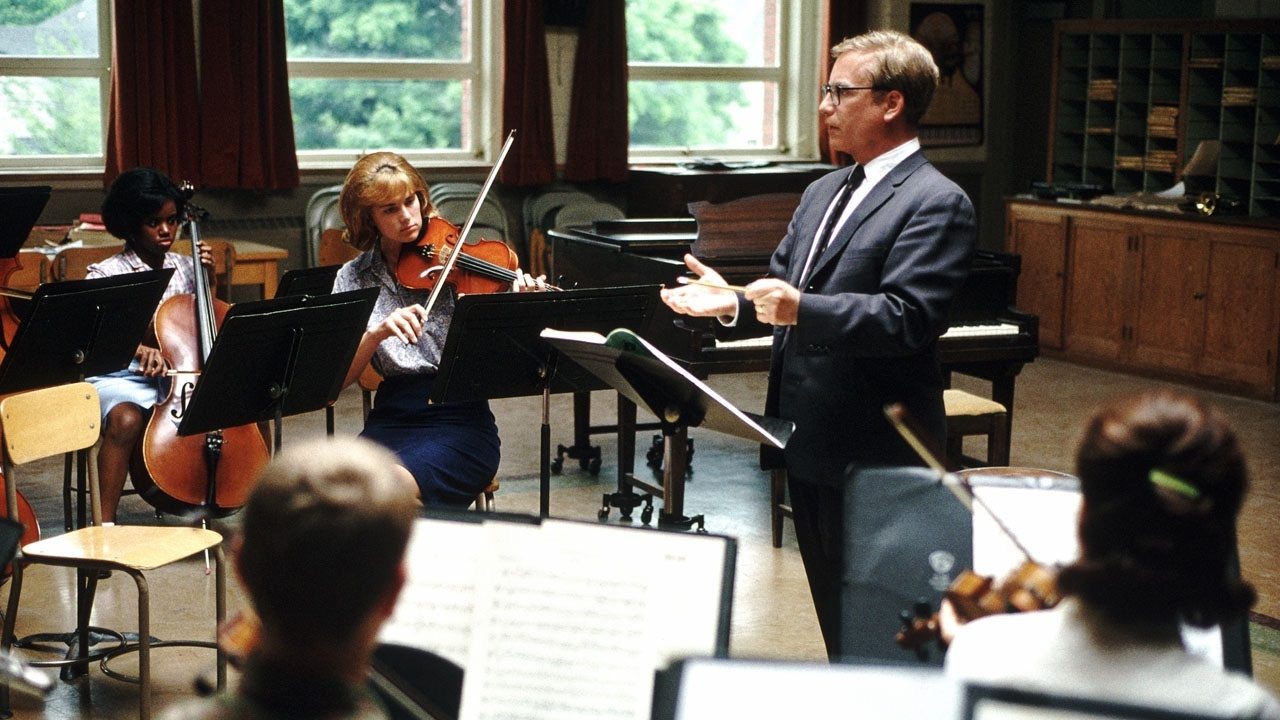
Herrick delivers an engaging lecture to his students about the evolution of American music, tracing the roots of rock and roll back to the blues.

Start a free 7-day trial — 5 downloads a day, unlimited when Pro begins

Rehearse on your terms

Take this monologue into rehearsal and work through it at your own pace.

Scene PreviewExcerpt — subscribe to read full scene

HERRICK

Did you know that this is a copy of a version by Bob Dylan that Dylan based on a folk song by Josh White? This song may be over a hundred years old. Music has a history. Ours, American music, has a very proud history. Very little music stands alone. Every once in a while a musician comes along who is totally original, but most are influenced by…

End of preview. Continue with Pro below.

7 days freeYour next rehearsal starts here

Found your next scene? Make it yours.

Start your free trial and read Music Has a History in full, with access to 4,000+ monologues and scenes to explore next.

  • Read the full scene and explore the library
  • Download your script in a clean, printable format
  • Take it into rehearsal with the Script Reader
Casting Types
Get Feedback
Coming Soon

Want expert coaching on this scene?

Browse our curated list of acting coaches, dialect specialists, and more.

Find a Coach

Need representation?

Browse verified agents and casting directors in our directory.

Scene Notes & Audition Tips

5 sections
About This Scene

This powerful monologue features Herrick, a dynamic teacher, passionately lecturing his students on the rich tapestry of American musical history. He meticulously traces the lineage of rock and roll, demonstrating how various genres and artists, from folk to jazz scat singers, ultimately converge in the blues. The scene offers a fantastic opportunity for an actor to showcase their ability to command attention and convey complex ideas with genuine enthusiasm and pedagogical skill, embodying a mentor who truly loves their subject.

Character Analysis

Herrick is presented as an intelligent, engaging, and dedicated educator. He possesses a deep knowledge of music and a compelling desire to share it with his students, striving to make history tangible and exciting. His approach is hands-on, using musical examples to illustrate his points, which highlights his resourcefulness and commitment to effective teaching. He is an authority figure, yet one who is approachable and inspiring, making him an ideal "Everyman" mentor figure who connects with his audience on an intellectual and emotional level.

Why This Works for Auditions

This monologue is a superb choice for auditions because it demands a wide range of vocal and physical expression. Actors can demonstrate their ability to articulate complex concepts clearly, build momentum in a speech, and engage an unseen audience (the students). The scene allows for the portrayal of intelligence, passion, and the subtle nuances of a teacher's cadence, moving from expository explanation to moments of excited discovery. It's a contained piece that showcases charisma and the ability to hold the stage.

Best Suited For

This monologue is particularly well-suited for male actors in the 25-35 age range who are looking to embody a teacher, authority figure, or mentor role. It's an excellent fit for drama school auditions where a strong, intelligent, and articulate performance is valued, or for an agent showcase to demonstrate an actor's commanding presence and ability to play roles requiring gravitas and passion. Actors who can convey genuine intellectual curiosity and a nurturing spirit will thrive with this material.

Performance Tips

When approaching Herrick, focus on his inherent passion for music and his desire to awaken that same excitement in his students. Consider how you would use vocal variety to differentiate between historical exposition and personal insights, allowing your energy to build as you make connections between genres. Pay attention to the rhythm of the language and imagine the physical actions of putting on records or writing on a blackboard, even if those aren't literally present in your audition space. Emphasize the direct address to your imagined students to foster a dynamic, interactive delivery.

Explore this topic