SHERLOCK: Mycroft fed Moriarty information about me. In turn, Moriarty gave him hints - just hints - as to the extent of his web. We let him go because we needed him to believe he had the upper hand. Then I sat back and let him destroy my reputation, bit by bit. I had to make him believe he’d beaten me. Utterly defeated me. And then he’d show his hand.
Anderson's Confession — Sherlock
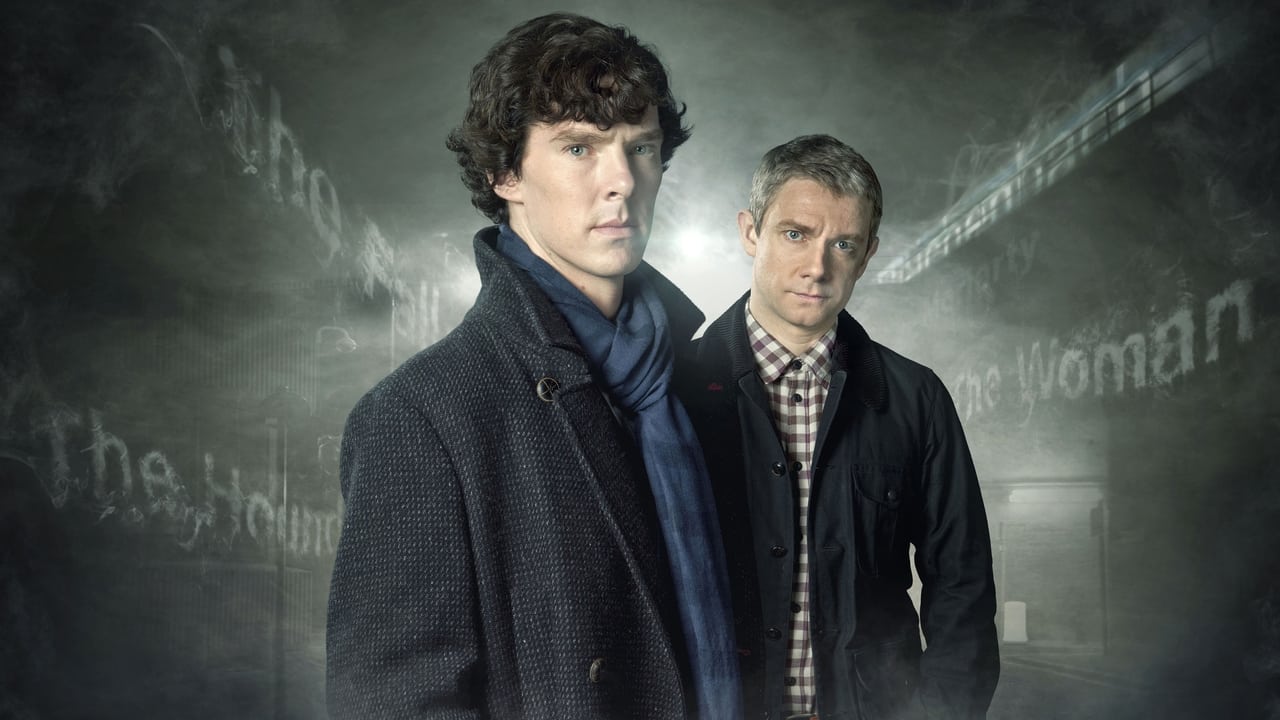
Sherlock Holmes reveals the elaborate mechanics behind his faked death to a skeptical and guilt-ridden Anderson. The scene explores the cold logic of the 'Lazarus' plan while highlighting the emotional manipulation of John Watson and the eventual dismissal of Anderson's fanatical theories.
Format: Duologue · Genre: Drama, Comedy, Mystery · Source: Sherlock · Author: Mark Gatiss · Characters: Sherlock, Anderson
About This Scene
This compelling two-person scene unpacks the elaborate machinations behind Sherlock Holmes’ faked death, as he finally reveals the astonishing truth to Anderson. It’s a masterclass in narrative tension, blending intricate plot exposition with the charged emotions of revelation and long-held secrets. The dialogue showcases Sherlock’s characteristic intellectual prowess and demonstrates the intricate planning and emotional detachment required for such a deception, painting a clear picture of his genius and the high stakes involved in his world.
Character Analysis
Sherlock, in this scene, is presented as calculating, brilliant, and utterly in control, even when recounting a near-fatal deception. He exhibits a detached academic interest in the mechanics of his "Lazarus" plan, revealing his capacity for extreme manipulation and the depth of his commitment to his work. Anderson, on the other hand, is cast as the beleaguered, almost fanatical recipient of this confession; his role is to react, to be skeptical, and ultimately, to be overwhelmed by the sheer scale of Sherlock's genius, despite his previous guilt and fervent theories about Sherlock's survival.
Why This Works for Auditions
This duologue is an excellent choice for auditions due to its dynamic interplay between two distinct characters and its clear dramatic arc. It provides substantial material for both actors to showcase intellectual command, emotional frustration, and eventual release. The scene offers opportunities for precise delivery, nuanced reactions, and the portrayal of complex mental processes, making it ideal for demonstrating a range of acting skills in a relatively short timeframe.
Best Suited For
This scene is particularly well-suited for male identifying actors in their 30s to 40s who are looking to highlight their ability to portray intelligent, intense, or even obsessive characters. It works wonderfully for those aiming for "Leading Man" or "Character Actor" roles, especially in the detective or mystery genres. The blend of dramatic exposition with touches of dark humor also makes it suitable for actors who can seamlessly navigate shifts in tone.
Performance Tips
When approaching this scene, focus on the subtext of Sherlock’s intellectual superiority and Anderson’s gradual realization. For Sherlock, aim for a controlled, almost academic delivery, allowing flashes of his calculated emotional manipulation to peek through, particularly concerning John Watson. For Anderson, lean into the initial skepticism and frustration, slowly allowing the weight of Sherlock's revelation to break through his defenses, culminating in a sense of overwhelmed relief or even vindication. Explore the rhythm of the dialogue, letting Sherlock's intricate explanations build momentum while Anderson's reactions ground the scene in human emotion.