Tv
group
Crime, Drama, Thriller

Mycroft's Despair

from Sherlock

Written by Mark Gatiss, Steven Moffat

Sherlock

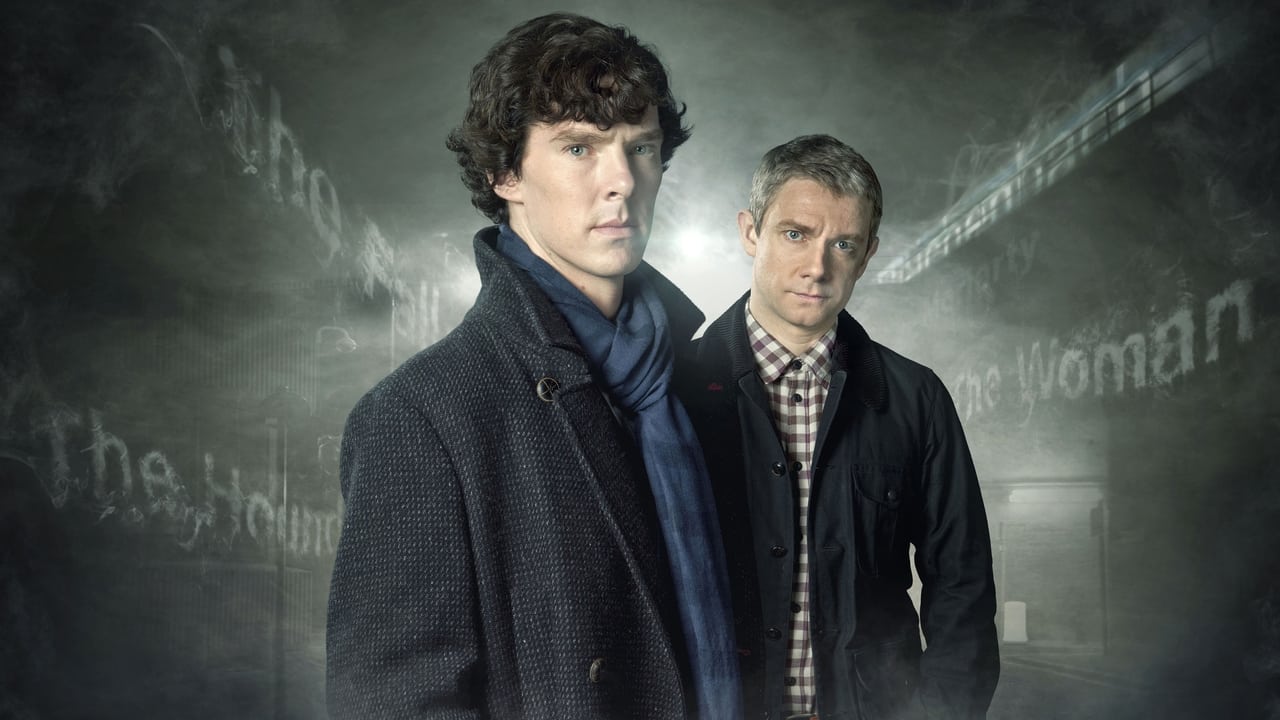
Trapped in a lethal game, Sherlock is forced by his sister Eurus to choose between killing his best friend John or his brother Mycroft. Mycroft intentionally insults John to make himself the easier target, leading to a tense standoff where the brothers' complex bond and past mistakes are laid bare.

Start a free 7-day trial — 5 downloads a day, unlimited when Pro begins

Rehearse this scene
Rehearse on your terms

Choose your role and voices for the other characters. Run the scene at your own pace.

Scene PreviewExcerpt — subscribe to read full scene

MYCROFT

Well?

SHERLOCK

Well what?

MYCROFT

We’re not actually going to discuss this, are we? I’m sorry, Dr. Watson. You are a fine man in many respects. Make your goodbyes, and shoot him. Shoot him.

JOHN

What?

MYCROFT

Shoot Dr. Watson! There’s no question of who has to continue. It’s us. You and me.

End of preview. Continue with Pro below.

7 days freeYour next rehearsal starts here

Found your next scene? Make it yours.

Start your free trial and read Mycroft's Despair in full, with access to 1,000+ monologues and scenes to explore next.

  • Read the full scene and explore the library
  • Download your script in a clean, printable format
  • Take it into rehearsal with the Script Reader
Casting Types
Get Feedback
Coming Soon

Want expert coaching on this scene?

Browse our curated list of acting coaches, dialect specialists, and more.

Find a Coach

Need representation?

Browse verified agents and casting directors in our directory.

Scene Notes & Audition Tips

5 sections
About This Scene

This intense group scene, "Mycroft's Despair," is a powerful dramatic moment from the source material, placing Sherlock, Mycroft, and John in an impossible ethical dilemma. Forced to choose who lives and who dies, the scene explores themes of sacrifice, brotherhood, and manipulation under extreme duress. It is a four-minute segment showcasing a high-stakes standoff where deep-seated family dynamics and loyalty are brutally tested.

Character Analysis

Mycroft, in this scene, is presented as an anguished individual capable of immense self-sacrifice, hiding his true intentions behind a facade of callousness. Despite his outward contempt for John and his harsh dismissal of Sherlock, Mycroft’s underlying motivation is to protect his brother, even at the cost of his own life. Sherlock is grappling with an unimaginable choice, revealing his vulnerability and inner conflict as he processes Mycroft’s desperate gambit. John, initially confused, quickly understands the profound sacrifice Mycroft is attempting, demonstrating his own perceptiveness and loyalty to his friends.

Why This Works for Auditions

This scene is highly effective for auditions because it offers rich emotional complexity and demands significant vocal and physical control from the actors. The dynamic shifts between the three characters provide numerous opportunities to showcase nuanced performance without relying on lengthy monologues. Its contemporary setting and crime/drama genre make it relevant for a wide range of casting opportunities, allowing actors to demonstrate their ability to handle intense, high-stakes material.

Best Suited For

This scene is ideally suited for male actors in their 50s-60s who can portray a sophisticated, authoritative, yet intensely vulnerable character. It's particularly strong for those aiming for leading man or intense character roles within crime, drama, or thriller genres. The group format makes it excellent for agent showcases, providing a chance for multiple actors to shine, and it’s perfect for self-tapes where precise emotional delivery is paramount.

Performance Tips

When tackling Mycroft’s lines, focus on the subtext of his self-sacrifice rather than just the outward cruelty; every insult should sting, but with the undercurrent of protection. For Sherlock, portray the agonizing internal struggle through subtle expressions and restrained reactions, building to his eventual realization. John’s role requires a journey from confusion to profound understanding, shown through changes in his gaze and posture. Remember the desperate, anguished tone of the piece, allowing the high stakes to inform every choice, ensuring that moments of quiet intensity are just as powerful as the more overt emotional outbursts.

Explore this topic