Film
duologue
Comedy

Aspen or Bankruptcy?

from Dumb and Dumber

Written by Peter Farrelly, Bennett Yellin, Bob Farrelly

Dumb and Dumber

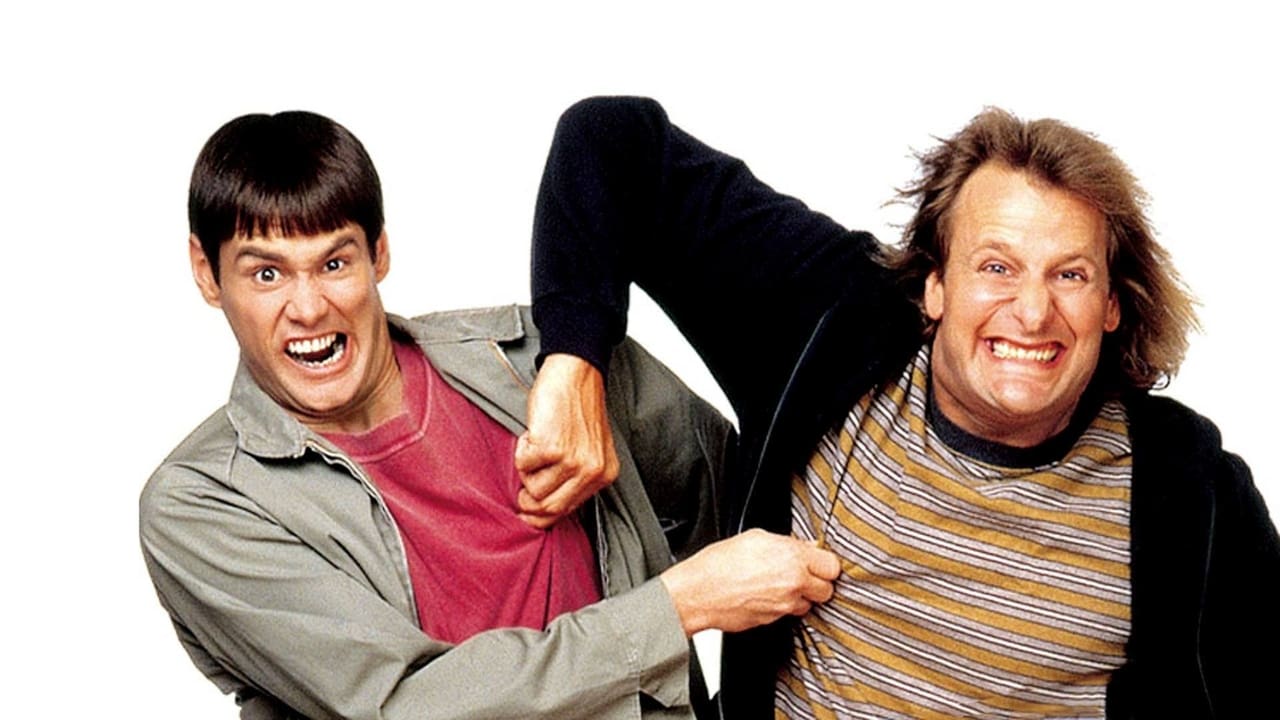
Lloyd tries to convince a grieving Harry to leave their failing lives behind for Aspen after their parakeet dies and they lose their money.

Start a free 7-day trial — 5 downloads a day, unlimited when Pro begins

Rehearse this scene
Rehearse on your terms

Choose your role and voices for the other characters. Run the scene at your own pace.

Scene PreviewExcerpt — subscribe to read full scene

HARRY

Where's the booze?

LLOYD

It's gone. I got robbed by Grandma Walton. She got my wallet, too.

LLOYD

Come on, man, cheer up. We've been down before. I'm sure we'll land on our heads somewhere.

HARRY

It gets worse, Lloyd. My parakeet Petey -- he's... he's dead.

LLOYD

Oh man, I'm sorry, Harry. What happened?

End of preview. Continue with Pro below.

7 days freeYour next rehearsal starts here

Found your next scene? Make it yours.

Start your free trial and read Aspen or Bankruptcy? in full, with access to 3,000+ monologues and scenes to explore next.

  • Read the full scene and explore the library
  • Download your script in a clean, printable format
  • Take it into rehearsal with the Script Reader
Casting Types
Get Feedback
Coming Soon

Want expert coaching on this scene?

Browse our curated list of acting coaches, dialect specialists, and more.

Find a Coach

Need representation?

Browse verified agents and casting directors in our directory.

Scene Notes & Audition Tips

5 sections
About This Scene

This comedic duologue, "Aspen or Bankruptcy?", features Harry and Lloyd from the film *Dumb and Dumber*, capturing a pivotal moment in their misadventures. The scene unfolds as Harry grapples with his parakeet Petey's loss and their dire financial situation, while Lloyd attempts to motivate him with an outlandish plan for a fresh start. It highlights their unique logic and unwavering optimism despite their circumstances, showcasing their idiosyncratic friendship and contrasting personalities. This contemporary piece offers rich opportunities for physical comedy and nuanced character work within a clearly defined emotional arc.

Character Analysis

Harry is presented as the more grounded, though deeply naive, friend, initially bogged down by their mounting misfortunes. He’s grieving in his own way, even over a parakeet whose "head fell off," and resists Lloyd's impulsive schemes, showcasing a weary pragmatism. Lloyd, conversely, is the quintessential dreamer, prone to flights of fancy and absurd analogies, always convinced a grand solution is near, even if it involves relocating to Aspen under dubious pretenses. Both characters exhibit an endearing childlike innocence mixed with an almost preternatural ability to ignore reality, making them incredibly specific and fun to play.

Why This Works for Auditions

This scene is an excellent choice for auditions due to its clear comedic tone, distinct character voices, and contained dramatic arc. The duologue format allows actors to demonstrate their ability to play off a scene partner, listen actively, and drive a scene forward. It offers ample opportunities for physical comedy, given the characters' heightened reactions and absurd dialogue, making it memorable. The dialogue is snappy and reactive, requiring precise comedic timing and a strong understanding of each character's unique worldview, which are invaluable skills for any actor to display.

Best Suited For

"Aspen or Bankruptcy?" is perfectly suited for male actors aged 25-35 looking to showcase their comedic chops. It particularly shines for those aiming for roles requiring a "Comic Relief," "Everyman," "Outsider," or "Best Friend" archetype. Actors comfortable with physical comedy, absurd situations, and playing characters who are lovable losers will find this scene a strong fit. It's a fantastic choice for general practice, self-tapes, or even agent showcases where demonstrating a solid grasp of comedic timing and character dynamics is key.

Performance Tips

When approaching this scene, lean into the specific character traits without resorting to caricature; find the genuine emotional beats beneath the absurdity. For Harry, focus on his weary resignation and confusion, making his grief over Petey feel surprisingly earnest. For Lloyd, embrace his boundless, if misguided, optimism and the theatricality of his grand pronouncements. Pay close attention to the dialogue's rhythm, allowing pauses and reactions to land for maximum comedic effect. Remember that the humor comes from the characters' absolute conviction in their ridiculous reality, so play their reactions and motivations with utmost sincerity.

Explore this topic