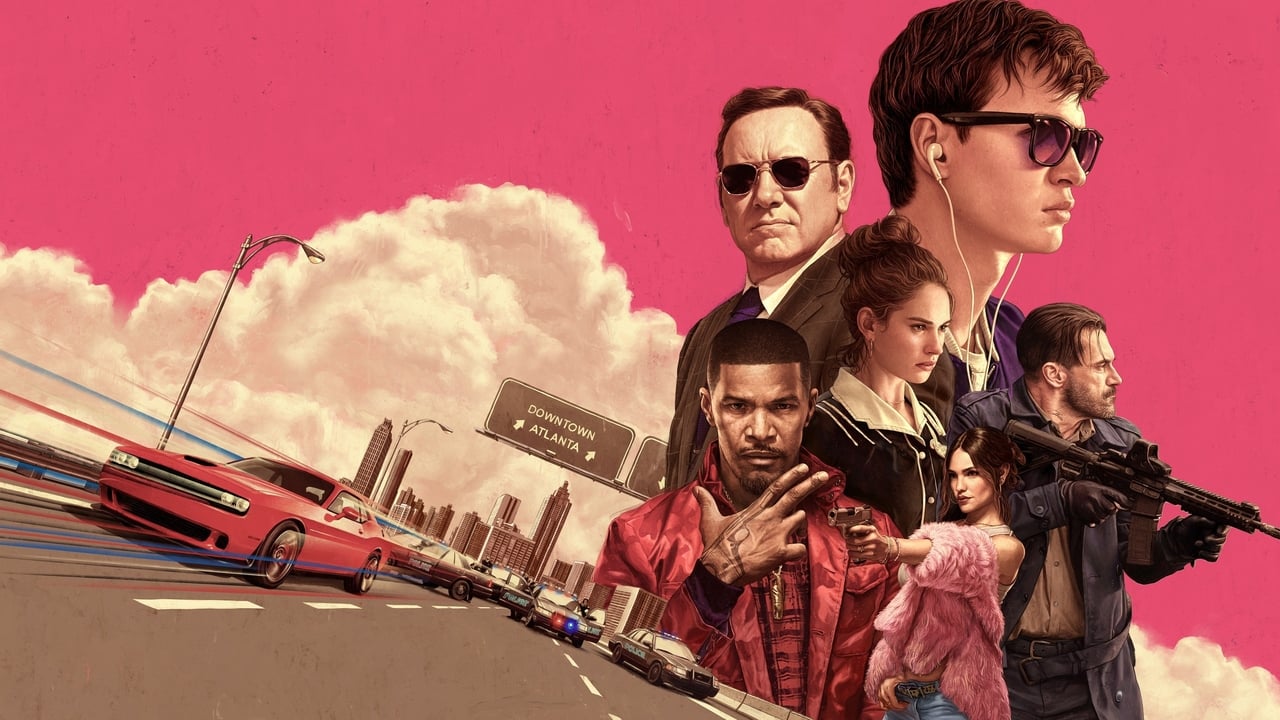
Baby's First Words to the Gang — Baby Driver

Following a successful heist, the crew disperses in a tense elevator ride. While Griff continues to antagonize the silent driver, Buddy offers genuine praise before Baby finally breaks his silence with a single word.

GRIFF: You still mad-dogging me boy?

DOC: Jesus. You’re mad dogging him.

BUDDY: Yeah, where do you get off?

GRIFF: Kid’s gotta grow up sometime.

BUDDY: Seriously. Where do you get off?

Format: Scene · Genre: Thriller · Source: Baby Driver · Author: Edgar Wright · Characters: Baby, Doc, Buddy, Darling, Griff

About This Scene

This scene from Baby Driver captures a high-tension moment following a successful heist, set within the confined space of an elevator. The interaction showcases the volatile dynamics among a group of criminals, particularly focusing on the silent, enigmatic driver, Baby, as he endures the antagonistic remarks of Griff. The scene builds to a powerful, surprising climax with Baby's unexpected vocalization, revealing much about his character and his place within the dangerous crew without relying on lengthy exposition or complex dialogue.

Character Analysis

The characters in this scene are all hardened criminals, each displaying distinct personalities under pressure. Baby is the quiet, observant protagonist, enduring provocation with an almost zen-like stillness that hints at a deeper, perhaps more dangerous, core. Doc is the authoritative, exasperated leader trying to maintain control. Griff is the aggressive, taunting instigator, clearly enjoying his power play. Buddy, in contrast, exhibits a more protective, almost admiring stance towards Baby, offering a brief moment of unexpected camaraderie amidst the tension. Darling, though not speaking, is implicitly allied with Buddy, reinforcing their unit within the larger group.

Why This Works for Auditions

This group scene is an excellent choice for auditions as it provides ample opportunity for actors to showcase nuanced performances within a brief timeframe. The intense, contemporary thriller genre allows for grounded, realistic acting. For various roles, actors can demonstrate their ability to portray a range of emotions – from simmering anger and controlled frustration to genuine admiration and aggressive dominance. The minimal dialogue, particularly for Baby, forces actors to rely heavily on non-verbal communication, making it a strong tool for displaying physical presence and subtextual understanding.

Best Suited For

This scene is particularly well-suited for male actors aged 18-25 looking to embody criminal, tough, intense, or loner casting types. The ensemble nature makes it ideal for group work in an agent-showcase, allowing for dynamic performances that elevate one another. It's also perfect for self-tapes where an actor wants to demonstrate their capacity for quiet intensity and a strong, compelling screen presence. Furthermore, it serves as excellent general practice for actors honing their ability to respond authentically in high-stakes, reactive situations.

Performance Tips

When approaching this scene, actors should focus on the underlying tension and the power dynamics at play. For Baby, cultivate an internal world of intense observation and controlled stillness, allowing your single word to land with unexpected weight and impact. For Griff, lean into the enjoyment of provocation, using your physicality and tone to intimidate. Buddy should convey genuine appreciation and a protective instinct, offering a contrast to Griff's aggression. Doc needs to project weary authority, trying to rein in the chaos. Remember that silence and reaction shots are just as important as spoken lines in conveying character and advancing the scene's narrative.