
Film
monologue
Drama

Beaver the

from The Beaver

Written by Kyle Killen

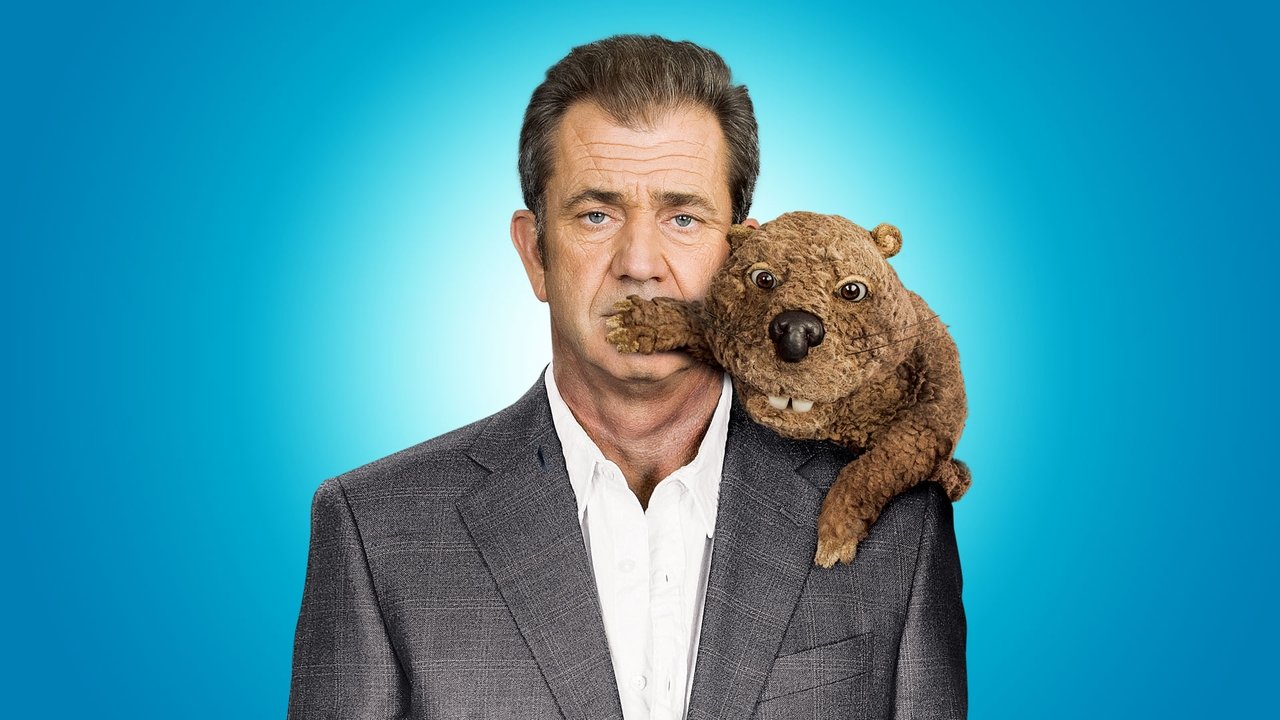
The Beaver

A uplifting Porter's monologue from "The Beaver" by Kyle Killen.

Start a free 7-day trial — 5 downloads a day, unlimited when Pro begins

Rehearse on your terms

Take this monologue into rehearsal and work through it at your own pace.

Scene PreviewExcerpt — subscribe to read full scene

PORTER

Faculty, students, families, I’m here today because I’m supposed to tell you something about tomorrow. I’m supposed to remind you that it’s the first day of the rest of your life, and inspire you to seize the infinite array of possibilities that have suddenly become available. I’m supposed to tell you that you can do anything you dare to dream as…

End of preview. Continue with Pro below.

7 days freeYour next rehearsal starts here

Found your next scene? Make it yours.

Start your free trial and read Beaver the in full, with access to 4,000+ monologues and scenes to explore next.

  • Read the full scene and explore the library
  • Download your script in a clean, printable format
  • Take it into rehearsal with the Script Reader
Get Feedback
Coming Soon

Want expert coaching on this scene?

Browse our curated list of acting coaches, dialect specialists, and more.

Find a Coach

Need representation?

Browse verified agents and casting directors in our directory.

Scene Notes & Audition Tips

5 sections
About This Scene

This powerful three-minute monologue, "Beaver the," from the film *The Beaver*, features a graduation speech delivered as a voice-over by the character Porter. It's written as a direct address, blending intellectual insight with emotional honesty. The speech challenges conventional graduation messages, quickly pivoting to a pragmatic, statistics-driven view of life's future. It becomes uplifting not through its initial outlook, but in its eventual call to embrace individuality despite predetermined societal paths.

Character Analysis

Porter, an 18-year-old male, grapples with identity and individuality on the cusp of adulthood in this monologue. He is thoughtful, articulate, and somewhat cynical, refusing to sugarcoat reality for his peers. Despite his seemingly bleak statistical outlook, an underlying current of hope and a profound desire for authenticity is present. His refusal to perpetuate "cliches and platitudes" reveals a strong moral compass, and he displays burgeoning leadership as he guides his audience toward a more realistic, yet ultimately empowering, vision for their futures.

Why This Works for Auditions

This monologue is an excellent audition choice due to its immediate dramatic impact and intellectual depth. It allows a young actor to showcase a wide emotional range, moving from initial disillusionment to a more grounded, inspiring tone. The speech format demands strong vocal projection, clear articulation, and the ability to maintain engagement with an imagined audience, all crucial acting skills. Its contemporary setting and universal themes of future, identity, and defying expectations resonate, making it relatable to casting directors seeking grounded, intelligent performances.

Best Suited For

This monologue suits young male actors aged 18-25 seeking a dramatic piece beyond simple emotional expression. It's particularly effective for those who can portray intelligence, thoughtfulness, and subtle defiance within a formal setting. Actors skilled at delivering compelling speeches, navigating complex ideas, and embodying characters with both vulnerability and conviction will shine. It is also an excellent choice for general auditions where casting directors look for a performer who can command a stage and convey significant character depth.

Performance Tips

When approaching this monologue, focus on Porter's journey from challenging conventional wisdom to finding an authentic, unconventional form of inspiration. Begin with deliberate resistance to the expected celebratory tone, letting his intellectual honesty drive the initial delivery. As he discusses statistics, convey the underlying passion and concern in his voice, avoiding dry fact delivery. The ultimate "uplifting" tone comes from his radical honesty and implied call to action for individuality, so ensure this shift feels earned and powerful by the end. Remember to connect with an imagined audience, using eye contact and gestures to convey his conviction.

Explore this topic