
Skip to content
    Film
    monologue
    Drama

    Sara — What I want is to wake up and see

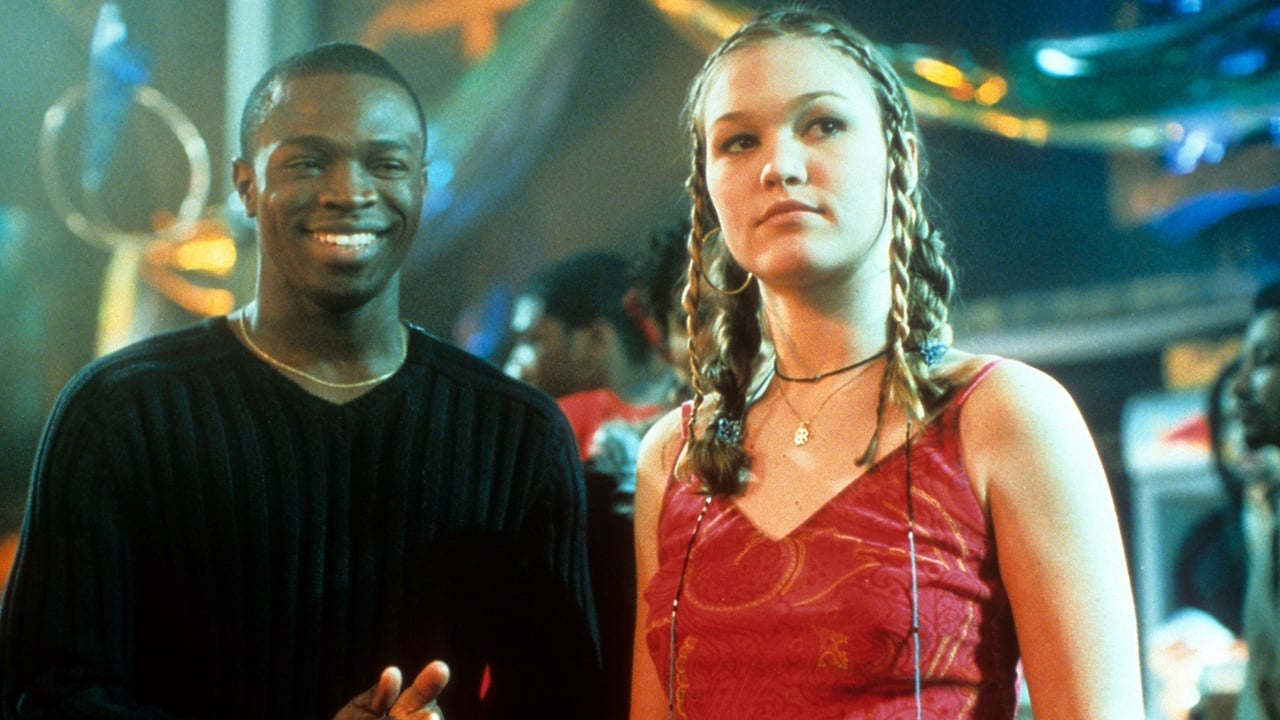
    from Save the Last Dance

    Written by Duane G. Adler

    Save the Last Dance

    Sara breaks down as she confesses the guilt she feels over her mother's fatal car accident, which occurred while Sara was auditioning for Juilliard.

    Start a free 7-day trial — 5 downloads a day, unlimited when Pro begins

    Rehearse on your terms

    Take this monologue into rehearsal and work through it at your own pace.

    Scene PreviewExcerpt — subscribe to read full scene

    SARA

    What I want is to wake up and see my mom. For things to go back to the way they were. When they made sense. When my life made sense. And it’s all my fault. She got scraped off the highway for me, for my fucking audition. She was rushing. It was raining. It was raining... ... But she promised to be there. I made her promise. And then I didn’t wait for…

    End of preview. Continue with Pro below.

    7 days freeYour next rehearsal starts here

    Found your next scene? Make it yours.

    Start your free trial and read Sara — What I want is to wake up and see in full, with access to 6,000+ monologues and scenes to explore next.

    • Read the full scene and explore the library
    • Download your script in a clean, printable format
    • Take it into rehearsal with the Script Reader
    Casting Types
    Get Feedback
    Coming Soon

    Want expert coaching on this scene?

    Browse our curated list of acting coaches, dialect specialists, and more.

    Find a Coach

    Need representation?

    Browse verified agents and casting directors in our directory.

    Scene Notes & Audition Tips

    5 sections
    About This Scene

    This powerful dramatic monologue features Sara from the film *Save the Last Dance*, offering a profound exploration of grief and guilt. Set in a contemporary period, the scene captures Sara at a moment of intense vulnerability as she confesses the overwhelming emotional burden she carries. Her words reveal the devastating impact of her mother's fatal car accident, an event inextricably linked in her mind to her own aspirations and choices.

    Character Analysis

    Sara is a young woman, aged 17-18, grappling with immense trauma and self-blame. Her character arc in this moment showcases a raw, unfiltered outpouring of emotion, driven by the belief that she is responsible for her mother's death. This monologue peels back layers of suppressed grief and guilt, revealing a deep-seated regret over her actions and feelings on the day of the tragedy. Her vulnerability is her defining characteristic here, allowing an actor to tap into a genuine, heartbreaking portrayal of a teenager in profound emotional distress.

    Why This Works for Auditions

    This monologue is an excellent choice for auditions because it provides a clear emotional journey within a compact timeframe. It allows an actor to showcase a significant range of dramatic intensity, moving from internal turmoil to an external explosion of confession and sorrow. The contemporary setting and relatable themes of grief, guilt, and the complexities of mother-daughter relationships make it accessible yet challenging, offering ample opportunity for nuanced performance. This scene is particularly effective for demonstrating an actor's ability to handle highly emotional material with authenticity and depth.

    Best Suited For

    This scene is ideally suited for young female actors in the "Under 18" age range, specifically those who embody Ingenue, Girl Next Door, or Vulnerable casting types. It's a strong fit for drama school auditions, agent showcases, and self-tapes where demonstrating dramatic capability and emotional honesty is key. Actors looking to practice complex emotional work or those seeking material that highlights vulnerability and a journey through intense grief will find this monologue particularly beneficial.

    Performance Tips

    When approaching Sara's monologue, focus on rooting her confession in genuine emotional truth rather than solely on external tears. Explore the build-up of her guilt; what specific thoughts or memories trigger this overwhelming outpouring? Pay close attention to her internal conflict – the desire to return to "when things made sense" versus the crushing weight of her perceived fault. Allow the physicality to emerge organically from her emotional state, rather than forcing it; the breakdown should feel earned, not performed.

    No ratings yet
    Sign in to rate