Film
duologue
Drama
Romance

Sara, Glynn — What’s the matter? It was good

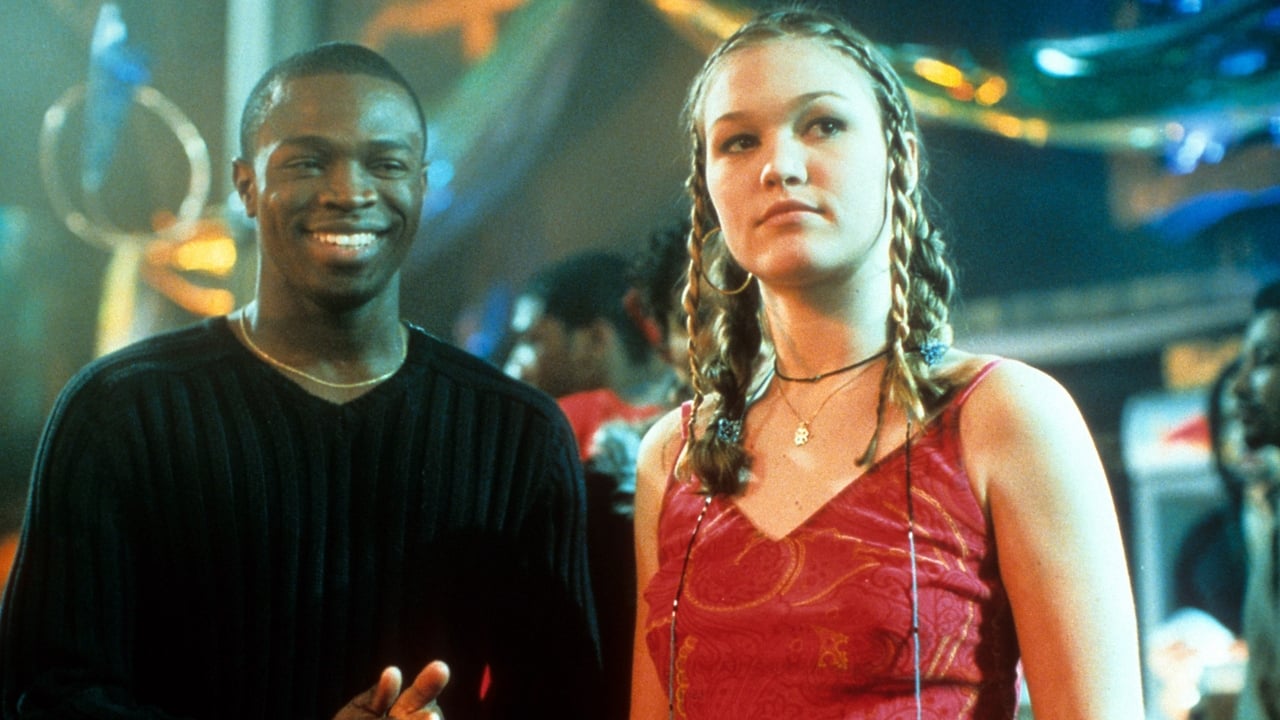
from Save the Last Dance

Written by Duane G. Adler

Save the Last Dance

Sara struggles with self-doubt and perfectionism while practicing for a dance audition, but her mother offers a token of luck and support.

Start a free 7-day trial — 5 downloads a day, unlimited when Pro begins

Rehearse this scene
Rehearse on your terms

Choose your role and voices for the other characters. Run the scene at your own pace.

Scene PreviewExcerpt — subscribe to read full scene

GLYNN

What’s the matter? It was good.

SARA

Everybody there’s going to be good, Mom. I have to be better. My knees still knock when I do my free form. Did you notice that?

GLYNN

I noticed that it was fine.

End of preview. Continue with Pro below.

7 days freeYour next rehearsal starts here

Found your next scene? Make it yours.

Start your free trial and read Sara, Glynn — What’s the matter? It was good in full, with access to 4,000+ monologues and scenes to explore next.

  • Read the full scene and explore the library
  • Download your script in a clean, printable format
  • Take it into rehearsal with the Script Reader
Casting Types
Get Feedback
Coming Soon

Want expert coaching on this scene?

Browse our curated list of acting coaches, dialect specialists, and more.

Find a Coach

Need representation?

Browse verified agents and casting directors in our directory.

Scene Notes & Audition Tips

5 sections
About This Scene

This powerful duologue from *Save the Last Dance* explores the universal themes of self-doubt, parental support, and the pressure of artistic ambition. In this poignant moment, Sara, a young dancer preparing for a crucial audition, grapples with intense perfectionism and insecurity, feeling her performance isn't "special" enough. Her mother, Glynn, attempts to reassure her daughter, ultimately offering not just words of encouragement but a deeply personal token of love and luck. It's a scene rich with underlying emotion, showcasing the complex bond between a mother and daughter facing a significant life event.

Character Analysis

Sara is presented as a teenager consumed by the drive for perfection, her self-worth heavily tied to her dance performance. She is vulnerable, prone to self-criticism, and struggles to accept praise, demonstrating the pressure young artists often feel. Glynn, on the other hand, embodies maternal strength and unwavering support. She is empathetic but also practical, knowing when to shift from verbal reassurance to a more tangible expression of love and belief. Both characters reveal deep affection for each other, despite the tension of the moment, making their dynamic genuinely heartfelt and relatable.

Why This Works for Auditions

This scene offers actors a fantastic opportunity to showcase a range of emotions within a contained timeframe, moving from frustration and insecurity to tender connection. The dynamic between Sara and Glynn allows for both internal struggle and external interaction, providing ample chances to demonstrate listening skills and nuanced reactions. Its contemporary setting and clear emotional arc make it highly accessible for casting directors, while the underlying themes of ambition and support resonate broadly. The naturalistic dialogue allows for authentic performances, highlighting an actor’s ability to portray genuine human connection and vulnerability.

Best Suited For

This duologue is exceptionally well-suited for female actors aged 35-45 portraying Glynn, and those aged 17 for Sara, making it ideal for mother-daughter pairings or actors looking to explore these specific age ranges. It’s perfect for performers who can convey vulnerability, maternal instincts, or intense youthful ambition, fitting roles such as an Ingenue, Teenager, Matriarch, or Parent. The scene’s emotional depth and contemporary feel make it a strong choice for drama school auditions, self-tapes, or general practice sessions where showcasing emotional range and relationship dynamics is key.

Performance Tips

For Sara, focus on the physical manifestation of her insecurity and perfectionism; perhaps her posture or restless energy. Allow her escalating frustration to build authentically, but also embrace the sudden shift to vulnerability and gratitude when Glynn offers the necklace. For Glynn, embody a steady, supportive presence, allowing her attempts at reassurance to feel genuine, even as Sara pushes back. The moment she gives the necklace is pivotal; convey the deep personal meaning behind the gesture, letting her emotional response at the scene’s end be a powerful, unspoken affirmation of her love and pride.

Explore this topic