Skip to content
    Tv
    duologue
    Drama

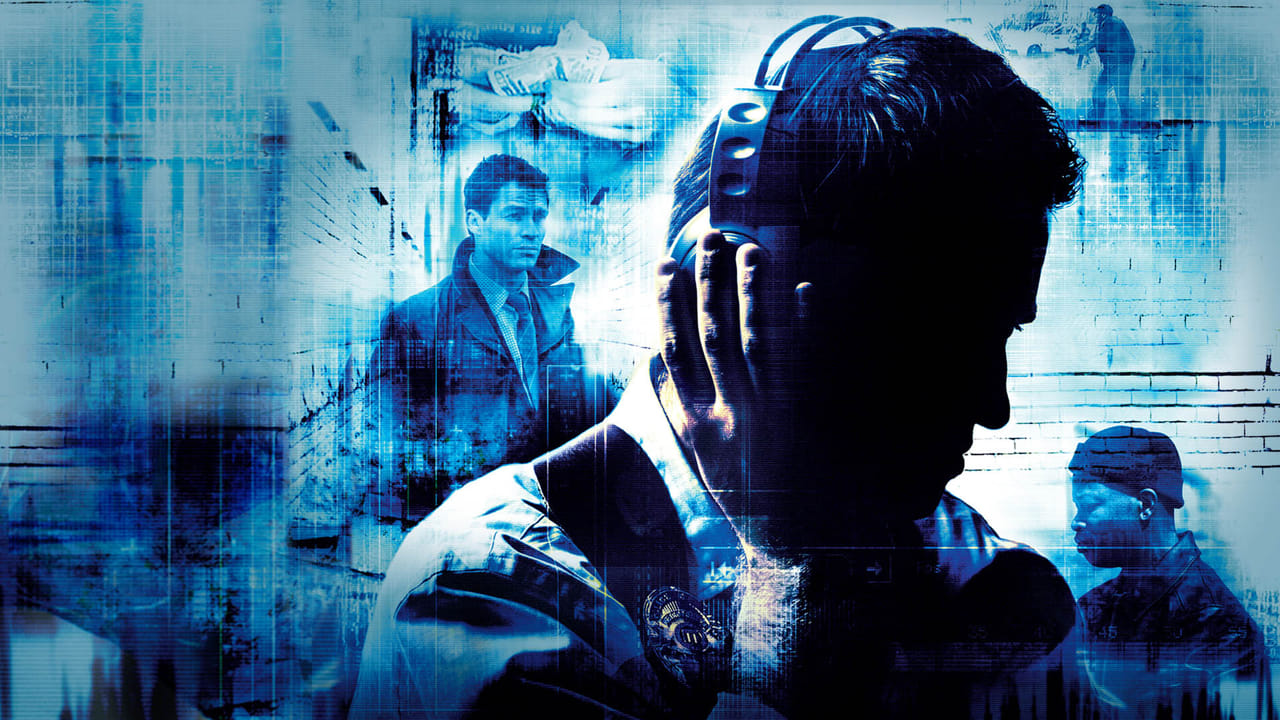
    Bunk and McArdle's 'When It Ain't Your Turn' Scene

    from The Wire

    Written by David Simon

    The Wire

    1 min · 2 characters · Any gender · 35-45

    Bunk returns from a crime scene to find McArdle working late after a political blunder involving the Barksdale case and a frustrated judge.

    Start a free 7-day trial — 5 downloads a day, unlimited when Pro begins

    Rehearse this scene
    Rehearse on your terms

    Choose your role and voices for the other characters. Run the scene at your own pace.

    Scene PreviewExcerpt — subscribe to read full scene

    BUNK

    You didn't have to wait up, love?

    MCARDLE

    Your boy didn't have a heart attack?

    BUNK

    I went that way, but Doc Frazier didn't bite when this popped up.

    MCARDLE

    Bad luck. Any leads?

    BUNK

    Right now, this is all I got.

    End of preview. Continue with Pro below.

    7 days freeYour next rehearsal starts here

    Found your next scene? Make it yours.

    Start your free trial and read Bunk and McArdle's 'When It Ain't Your Turn' Scene in full, with access to 9,500+ monologues and scenes to explore next.

    • Read the full scene and explore the library
    • Download your script in a clean, printable format
    • Take it into rehearsal with the Script Reader
    Start my 7-day free trial

    Loading local pricing · Cancel anytime

    Still deciding?

    Keep this scene in your free shortlist. No card needed.

    View plans and pricing

    Christmas gift? Give a year of Pro, 15% off. Paid once, nothing renews.
    Casting Types
    Get Feedback
    Coming Soon

    Want expert coaching on this scene?

    Browse our curated list of acting coaches, dialect specialists, and more.

    Find a Coach

    Need representation?

    Browse verified agents and casting directors in our directory.

    Scene Notes & Audition Tips

    5 sections
    About This Scene

    Set in the gritty, bureaucratic world of contemporary homicide investigation, this duologue from The Wire, written by David Simon, captures two exhausted detectives crossing paths late at night. Bunk returns from processing a crime scene with sparse physical evidence, only to find McArdle still at the desk facing an administrative crisis. After speaking candidly to a frustrated judge regarding a collapsed court case, McArdle is left scrambling to produce an overnight report for an angry captain. The interaction highlights the friction between doing the job honestly and surviving the institutional politics of law enforcement.

    Character Analysis

    Bunk is a seasoned, weary investigator who moves with the quiet cynicism of someone who knows exactly how the system works. Pragmatic and observant, Bunk processes physical evidence with deadpan fatalism while offering a blunt reality check to colleagues. McArdle shares that working-class weariness but carries the anxiety of a recent, well-intentioned blunder that violated the unspoken chain of command. Together, they demonstrate an easy, lived-in camaraderie forged through mutual burnout and mutual understanding of departmental survival.

    Why This Works for Auditions

    Clocking in at approximately one minute, this exchange offers actors a compact showcase for grounded realism, subtle subtext, and naturalistic dialogue delivery. The scene requires no overt melodrama or explosive confrontation, making it an ideal demonstration of restrained power and workplace familiarity. Casting directors can immediately assess whether an actor can convincingly carry the weight, authority, and street-level authenticity necessary for gritty procedural dramas.

    Best Suited For

    This piece is well suited for performers playing within the 35 to 45 age bracket who are preparing self-tapes, agent showcases, or scene study work. It is particularly effective for actors targeting casting types such as detectives, authority figures, and intense working-class professionals. The dialogue is open to performers of any gender and functions cleanly on camera due to its intimate, stationary setting.

    Performance Tips

    Ground the performance in the physical fatigue of working late hours, using small, practical tasks to establish a realistic environment without distracting from the dialogue. Resist the temptation to push the dry humor into overt comedy; instead, let the dark irony surface naturally from the characters' shared resignation. Listen actively to your scene partner and keep vocal levels conversational, allowing the unspoken institutional pressure to drive the underlying tension.

    No ratings yet
    Sign in to rate