Skip to content
    Film
    monologue
    Comedy-Drama

    Buster Scruggs Introduces Himself to the Audience

    from The Ballad of Buster Scruggs

    Written by Joel Coen & Ethan Coen

    The Ballad of Buster Scruggs

    2 min · 1 character · Any gender · 25-35

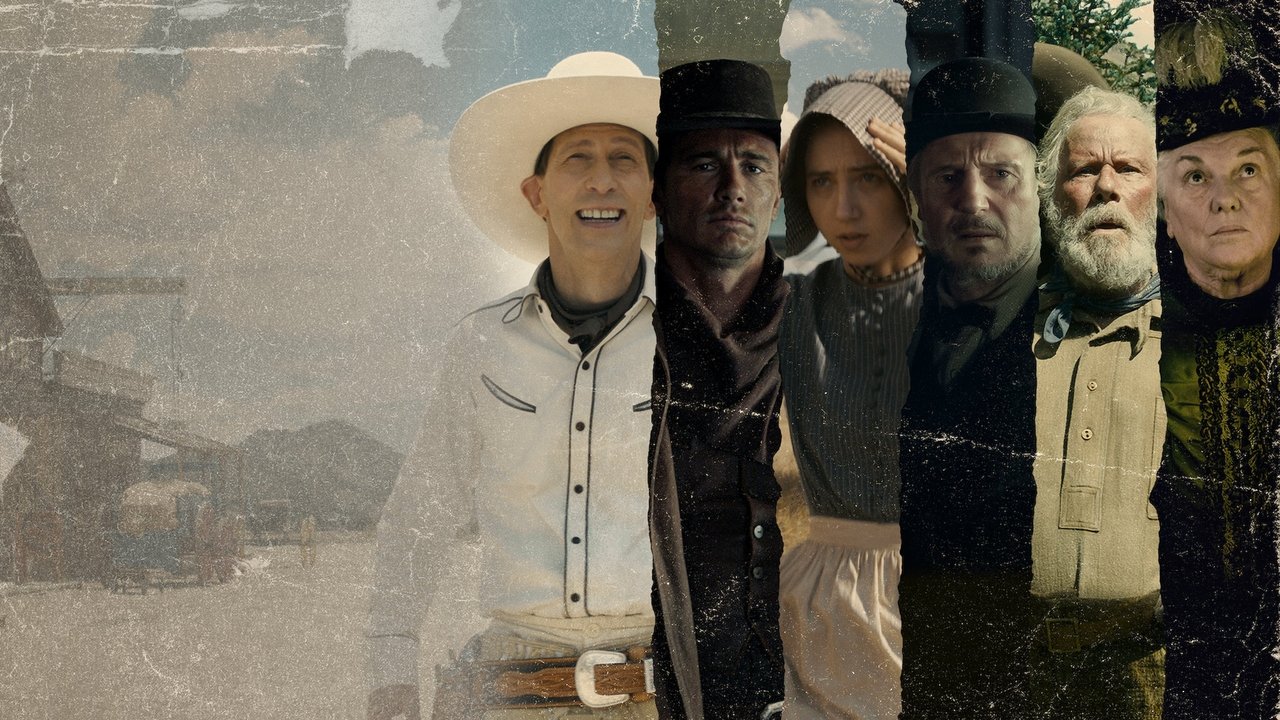
    Buster Scruggs, a singing cowboy, addresses the audience to defend his character against a 'Misanthrope' label while riding toward a poker game.

    Start a free 7-day trial — 5 downloads a day, unlimited when Pro begins

    Rehearse on your terms

    Take this monologue into rehearsal and work through it at your own pace.

    Scene PreviewExcerpt — subscribe to read full scene

    BUSTER

    A song never fails to divert m’mind during a long day’s ride out here in the West, where distances’re great and the scenery monotonous. Additionally, m’pleasing baritone seems t’inspirit good ol’ Dan, keepin’ him in good heart through the day’s measure of hoofclops. Ain’t that right, Dan? Maybe y’all’ve heard a me, Buster Scruggs——known to some as…

    End of preview. Continue with Pro below.

    7 days freeYour next rehearsal starts here

    Found your next scene? Make it yours.

    Start your free trial and read Buster Scruggs Introduces Himself to the Audience in full, with access to 7,500+ monologues and scenes to explore next.

    • Read the full scene and explore the library
    • Download your script in a clean, printable format
    • Take it into rehearsal with the Script Reader
    Casting Types
    Get Feedback
    Coming Soon

    Want expert coaching on this scene?

    Browse our curated list of acting coaches, dialect specialists, and more.

    Find a Coach

    Need representation?

    Browse verified agents and casting directors in our directory.

    Scene Notes & Audition Tips

    5 sections
    About This Scene

    Written by Joel Coen & Ethan Coen, this comedic monologue from the film *The Ballad of Buster Scruggs* features a cheerful, singing cowboy addressing the viewer directly. While riding across the frontier toward a saloon card game, Buster refutes a wanted poster that brands him a misanthrope, explaining his remarkably forgiving outlook on human flaws. The piece establishes a quirky, heightened Western landscape driven by ornate vocabulary, breezy charm, and deadpan optimism.

    Character Analysis

    Buster is an articulate, disarmingly pleasant traveler who relates to the audience with complete ease and casual familiarity. Despite operating in a rough and often violent world, Buster possesses a philosophical temperament, viewing cheaters, scoundrels, and bad manners as simply the natural human material one must expect. An actor playing this role must navigate a delicate balance of folksy colloquialism, theatrical gentility, and absolute sincerity, never betraying malice or bitterness.

    Why This Works for Auditions

    Clocking in at roughly two minutes, the monologue offers an immediate demonstration of verbal dexterity, vocal control, and engaging fourth-wall engagement. The stylized writing of Joel Coen & Ethan Coen demands rigorous attention to cadence, breath, and phrasing, testing an actor's ability to make heightened language sound instinctive. Because Buster speaks directly to the camera or panel, it serves as an excellent vehicle for showcasing charisma, playfulness, and subtextual control.

    Best Suited For

    This piece is well suited for actors aged 25 to 35 seeking material for drama school auditions, agent showcases, self-tapes, or general scene study. It accommodates character actors, leading performers, and comedic types who want to demonstrate their ability to command an unconventional tone. Because the core conflict rests on personality and rhetoric rather than physical action, it translates smoothly to any gender.

    Performance Tips

    Embrace the rhythmic, idiosyncratic phrasing without letting the regional dialect compromise diction or clarity. Treat the audition panel or camera lens as a trusted riding partner, maintaining a relaxed, warm connection that draws the listener in. The humor works best when Buster is treated as entirely genuine; resist the urge to mock the character's buoyant philosophy, and let his cheerful acceptance of the world provide the comedic contrast.

    No ratings yet
    Sign in to rate