
Skip to content
    Film
    monologue
    Drama

    Celine's 'Afraid of Death' Monologue

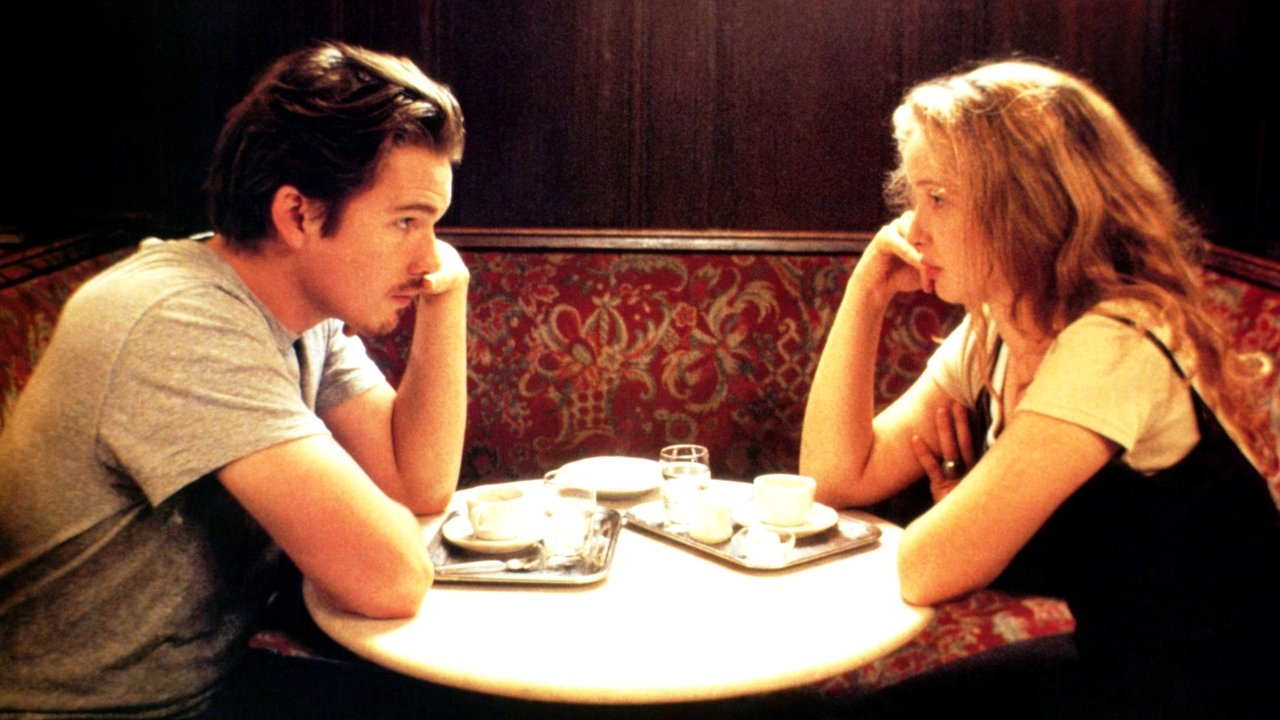
    from Before Sunrise

    Written by Richard Linklater & Kim Krizan

    Before Sunrise

    1 min · 1 character · Any gender · 18-25

    Celine confesses her constant anxiety regarding death and her inability to stop imagining worst-case scenarios during everyday moments.

    Start a free 7-day trial — 5 downloads a day, unlimited when Pro begins

    Rehearse on your terms

    Take this monologue into rehearsal and work through it at your own pace.

    Scene PreviewExcerpt — subscribe to read full scene

    CELINE

    That’s good you can have that attitude toward death. I think I am afraid of death twenty-four hours a day. That’s why I’m on the train. I could have flown to Paris. I’m just afraid of flying. Even though statistics say it’s safer, I can’t help it. When I’m sitting in a plane, I already can see an explosion, me falling through the clouds. I’m so…

    End of preview. Continue with Pro below.

    7 days freeYour next rehearsal starts here

    Found your next scene? Make it yours.

    Start your free trial and read Celine's 'Afraid of Death' Monologue in full, with access to 8,000+ monologues and scenes to explore next.

    • Read the full scene and explore the library
    • Download your script in a clean, printable format
    • Take it into rehearsal with the Script Reader
    Casting Types
    Get Feedback
    Coming Soon

    Want expert coaching on this scene?

    Browse our curated list of acting coaches, dialect specialists, and more.

    Find a Coach

    Need representation?

    Browse verified agents and casting directors in our directory.

    Scene Notes & Audition Tips

    5 sections
    About This Scene

    In this contemporary dramatic monologue written by Richard Linklater & Kim Krizan, a traveler opens up about an all-consuming fear of mortality. While traveling by train, Celine shares an intimate confession about living with unrelenting anxiety and an inability to silence catastrophic thoughts during ordinary daily moments. The speech offers a poignant window into the internal turbulence beneath a calm exterior, shifting from intellectual reflections on statistics to raw, visceral imagery of disaster and sudden loss.

    Character Analysis

    Celine is introspective, emotionally articulate, and deeply self-aware, yet paralyzed by persistent dread. Rather than concealing these fears, the character possesses the courage to voice irrational anxieties with striking honesty. There is an underlying weariness present throughout the confession, reflecting the mental exhaustion of constantly preparing for tragedy while watching other people move through the world with unburdened ease.

    Why This Works for Auditions

    Running approximately one minute, this monologue provides actors with an exceptional vehicle to showcase grounded, conversational naturalism. The text allows an auditionee to demonstrate complex emotional layers, balancing self-deprecating candor with genuine psychological distress. Because the confession invites the listener into a private mental space, it tests an actor's ability to create intimacy and sustain subtextual tension without relying on high-stakes external conflict or theatrical exaggeration.

    Best Suited For

    This piece is ideal for performers castable between eighteen and twenty-five looking to demonstrate subtlety, vulnerability, and intellectual depth. It is particularly well-suited for drama school auditions, agent showcases, and contemporary self-tapes requiring a naturalistic delivery. Actors who align with casting profiles such as the Intellectual, Leading Lady, Ingenue, or Vulnerable Everyman will find it a compelling showcase of nuanced internal life.

    Performance Tips

    Resist the temptation to play the monologue with performative panic or detached irony. Instead, ground the performance in the physical toll that ongoing anxiety takes on the body, letting each catastrophic image arrive in real time rather than delivering a rehearsed narrative. Keep your imagined scene partner clearly in your focus, allowing their listening presence to draw out the vulnerability and bittersweet relief of finally speaking these dark fixations aloud.

    No ratings yet
    Sign in to rate