
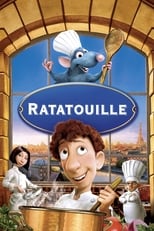
Film
duologue
Animation, Comedy, Family

Change is Nature

from Ratatouille

Written by Brad Bird

Ratatouille

Django shows his son Remy a shop window filled with dead rats and traps to warn him about the dangers of the human world. Remy rejects his father's cynical worldview, arguing that they have the power to change their nature and choose a different future.

Start a free 7-day trial — 5 downloads a day, unlimited when Pro begins

Rehearse this scene
Rehearse on your terms

Choose your role and voices for the other characters. Run the scene at your own pace.

Scene PreviewExcerpt — subscribe to read full scene

DJANGO

We’re here. Take a good, long look, Remy. This is what happens when a rat gets a little too comfortable around humans.

REMY

No.

DJANGO

What..?

REMY

No, Dad. I don’t believe it. You’re telling me that the future is— can ONLY be— more of this?

DJANGO

This... is the way things are. You can’t change nature.

End of preview. Continue with Pro below.

7 days freeYour next rehearsal starts here

Found your next scene? Make it yours.

Start your free trial and read Change is Nature in full, with access to 1,000+ monologues and scenes to explore next.

  • Read the full scene and explore the library
  • Download your script in a clean, printable format
  • Take it into rehearsal with the Script Reader
Casting Types
Get Feedback
Coming Soon

Want expert coaching on this scene?

Browse our curated list of acting coaches, dialect specialists, and more.

Find a Coach

Need representation?

Browse verified agents and casting directors in our directory.

Scene Notes & Audition Tips

5 sections
About This Scene

This compelling duologue, "Change is Nature," from the animated film *Ratatouille*, presents a pivotal father-son confrontation. Set on a rainy Parisian street, the scene sees Django attempting to instill a survivalist, cautionary worldview in his son, Remy, by exposing him to the harsh realities of the human world through a shop window displaying rat traps and deceased rats. In response, Remy defiantly rejects this pessimistic outlook, advocating for agency and the capacity for self-determination. This scene is rich with emotional subtext and philosophical debate, making it an excellent exercise for exploring contrasting perspectives.

Character Analysis

Django embodies the archetypal protective patriarch, driven by a deep-seated fear for his family's safety and informed by a lifetime of perceived danger. His approach is grounded in a cynical yet loving realism, positioning himself as a mentor imparting hard-won wisdom. Remy, conversely, is the hopeful outsider and rebel, an ambitious young adult who refuses to accept predetermined limitations. He represents a progressive, philosophical viewpoint, believing in the power of intention and the possibility of transcending one's perceived nature. Their dynamic is one of generational clash, where experience meets aspiration.

Why This Works for Auditions

"Change is Nature" is an excellent choice for auditions due to its clear emotional arc and distinct character objectives. The scene offers both actors significant opportunities to showcase a range of emotions, from Django's firm concern to Remy's passionate idealism. Its two-person format allows for dynamic interaction and reactive performance, crucial for demonstrating active listening and authentic engagement. The philosophical undertones also enable actors to demonstrate depth and intellectual understanding of their characters' motivations, making it particularly effective for drama school auditions or general practice.

Best Suited For

This scene is ideally suited for young adult male actors. It provides a strong vehicle for those cast as a patriarch, outsider, or rebel, allowing them to embody complex themes of family, destiny, and individual agency. The contemporary setting and philosophical tone make it versatile for various casting calls, particularly for roles requiring a blend of gravitas and youthful defiance. Whether used for self-taping or in-person dramatic readings, the scene offers readily identifiable character types and a compelling narrative to explore.

Performance Tips

When tackling this scene, actors should focus on defining their character's core belief system. For Django, emphasize the underlying love and fear driving his cautionary presentation, allowing his "tender, but firm" tone to genuinely land even amidst the grim visuals. For Remy, lean into his unwavering optimism and the clarity of his vision for the future, ensuring his defiance stems from conviction rather than mere childish rebellion. Pay close attention to the shift in power dynamics as Remy articulates his "No," and use the physical staging implied by Remy walking upright at the end to underscore his departure from his father's worldview.

Explore this topic