
Film
duologue
Comedy-Drama
Comedy

Choosing to Be Happy

from This Is 40

Written by Judd Apatow

This Is 40

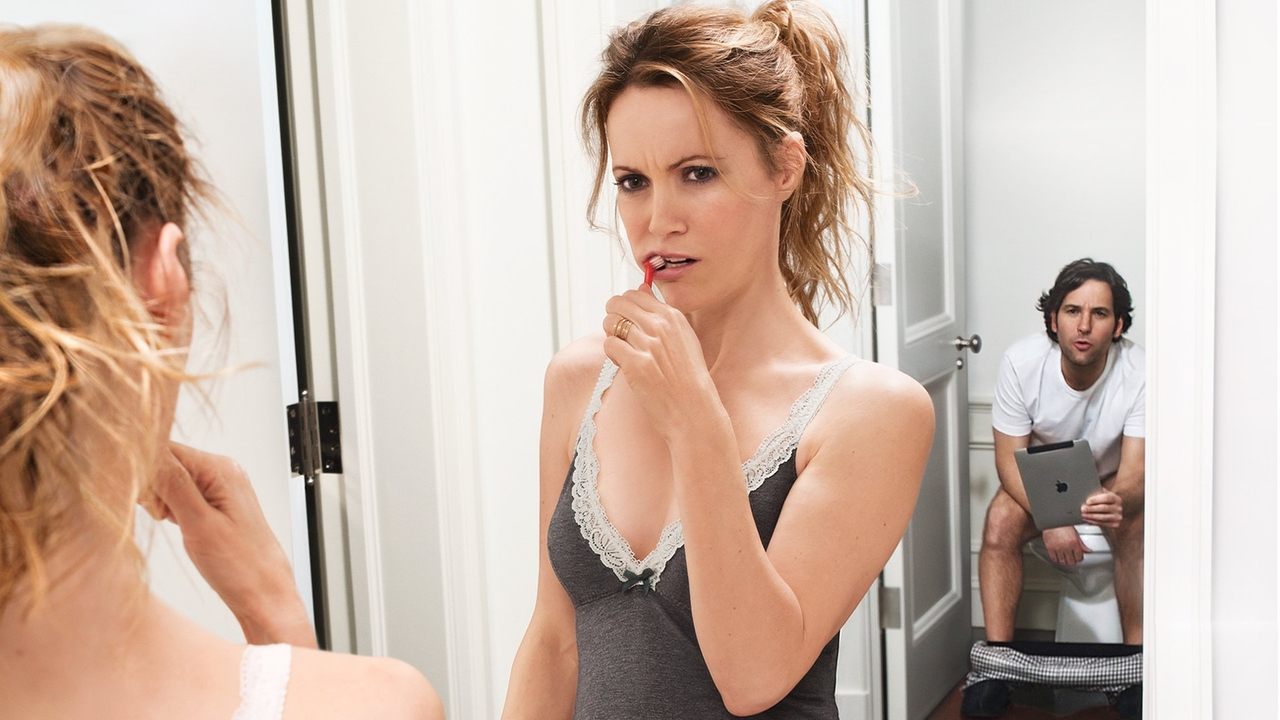
Debbie attempts to implement a new lifestyle plan for her and Pete to improve their marriage, but the conversation quickly devolves into bickering.

Start a free 7-day trial — 5 downloads a day, unlimited when Pro begins

Rehearse this scene
Rehearse on your terms

Choose your role and voices for the other characters. Run the scene at your own pace.

Scene PreviewExcerpt — subscribe to read full scene

DEBBIE

The happiest period in people's lives is from age forty to sixty. So this is it. We're in it, right now.

PETE

Says who?

DEBBIE

Says a lot of people, most people.

PETE

Huh.

DEBBIE

We have everything we need right now to be completely happy. We're going to blink and be ninety.

End of preview. Continue with Pro below.

7 days freeYour next rehearsal starts here

Found your next scene? Make it yours.

Start your free trial and read Choosing to Be Happy in full, with access to 4,000+ monologues and scenes to explore next.

  • Read the full scene and explore the library
  • Download your script in a clean, printable format
  • Take it into rehearsal with the Script Reader
Casting Types
Get Feedback
Coming Soon

Want expert coaching on this scene?

Browse our curated list of acting coaches, dialect specialists, and more.

Find a Coach

Need representation?

Browse verified agents and casting directors in our directory.

Scene Notes & Audition Tips

5 sections
About This Scene

This duologue from the film *This Is 40* features Debbie and Pete, a married couple navigating the complexities of their midlife. Debbie introduces a proactive "lifestyle plan" designed to bring them more happiness and improve their relationship, based on the idea that their current age bracket is prime for contentment. However, as she outlines her optimistic vision for exercise, therapy, and family involvement, the conversation quickly spirals into familiar marital bickering, revealing their established communication patterns and underlying tensions. This scene perfectly encapsulates the comedic-drama tone of the film, blending relatable domestic conflict with genuine attempts at betterment.

Character Analysis

Debbie is the initiator and planner, attempting to take control of their perceived happiness and implement positive changes. She is earnest in her desire for improvement but struggles to articulate her points without provoking Pete, often resorting to passive-aggressive turns or thinly veiled criticisms. Pete, on the other hand, comes across as more reactive and slightly resistant to Debbie's directives, often deflecting her suggestions or turning them back on her. He possesses a dry wit and a penchant for avoiding direct confrontation, preferring to challenge her ideas subtly rather than outright rejecting them. Both characters are flawed but deeply human, reflecting common marital dynamics.

Why This Works for Auditions

This scene is an excellent choice for auditions because it offers a dynamic range within a short period. Actors can showcase both comedic timing and the underlying dramatic tension inherent in a long-term relationship. The dialogue is naturalistic, allowing performers to demonstrate strong listening skills and authentic reactions to a partner's sometimes irritating habits. Furthermore, the scene provides clear character objectives and obstacles, demanding thoughtful choices in performance and allowing actors to build believable conflict and connection with their scene partner.

Best Suited For

This duologue is ideally suited for actors in the 35-45 age range, particularly those looking to portray a Leading Lady or Leading Man with a comedic edge. It's perfect for performers who excel at portraying "Everyman" or "Parent" archetypes grappling with contemporary lifestyle challenges and the intricacies of marriage. It's a strong fit for self-tapes, general practice, or agent showcases where demonstrating nuanced comedic-drama capabilities is crucial. The scene particularly shines for those who can find the humor in domestic squabbles while also conveying genuine marital love and frustration.

Performance Tips

When approaching this scene, focus on the subtext and unspoken history between Debbie and Pete. Debbie's earnest desire for happiness should drive her, but allow her frustration and underlying judgment of Pete to surface subtly. For Pete, lean into his slightly world-weary and playful resistance, using his reactions to highlight the absurdity or imposition of Debbie's plan. Remember that their bickering isn't malicious, but rather a well-worn dance they've perfected over years. Pay close attention to pacing; the scene’s humor often comes from the rapid-fire exchanges and shifts in power dynamics, so ensure your transitions between exasperation, sincerity, and defensiveness are sharp and authentic.

Explore this topic