
Film
monologue
Drama

Defending the Working Man

from It's a Wonderful Life

Written by Frances Goodrich, Albert Hackett, Frank Capra

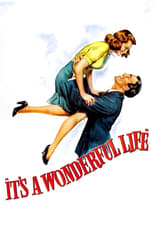
It's a Wonderful Life

George Bailey delivers a passionate defense of his late father's legacy and the dignity of the working class during a board meeting. He confronts the greedy Mr. Potter, arguing that providing affordable housing is a moral necessity rather than just a business transaction.

Start a free 7-day trial — 5 downloads a day, unlimited when Pro begins

Rehearse on your terms

Take this monologue into rehearsal and work through it at your own pace.

Scene PreviewExcerpt — subscribe to read full scene

GEORGE

Just a minute – just a minute. Now, hold on, Mr. Potter. You're right when you say my father was no business man. I know that. Why he ever started this cheap, penny-ante Building and Loan, I'll never know. But neither you nor anybody else can say anything against his character, because his whole life was... Why, in the twenty-five years since he…

End of preview. Continue with Pro below.

7 days freeYour next rehearsal starts here

Found your next scene? Make it yours.

Start your free trial and read Defending the Working Man in full, with access to 1,000+ monologues and scenes to explore next.

  • Read the full scene and explore the library
  • Download your script in a clean, printable format
  • Take it into rehearsal with the Script Reader
Casting Types
Get Feedback
Coming Soon

Want expert coaching on this scene?

Browse our curated list of acting coaches, dialect specialists, and more.

Find a Coach

Need representation?

Browse verified agents and casting directors in our directory.

Scene Notes & Audition Tips

5 sections
About This Scene

This powerful dramatic monologue features George Bailey passionately defending his late father's legacy and the dignity of the working class against the cynical Mr. Potter. Set within a tense board meeting, George confronts the notion that providing affordable housing is merely a cold business transaction, arguing instead that it is a moral imperative. This scene showcases a pivotal moment where George’s deeply held values and integrity are put to the test, revealing his unwavering commitment to his community and family.

Character Analysis

George is presented here as an Everyman with an extraordinary moral compass and a fiery spirit. He is fiercely loyal to his family's legacy and possesses a strong sense of social justice, speaking out against economic exploitation and for the common person. His youthful idealism clashes with the hardened cynicism of Mr. Potter, making him a Rebel in the context of the established business world. Despite his initial uncertainty and emotional distress, George quickly gathers his composure to deliver a powerful, heartfelt argument, demonstrating immense inner strength and conviction.

Why This Works for Auditions

This monologue is an excellent choice for auditions due to its clear arc of emotional escalation and potent dramatic stakes. It allows an actor to display a wide range of emotions, from initial defensiveness and grief to righteous anger and impassioned conviction. The scene provides ample opportunity to showcase strong vocal dynamics, powerful physicality, and deep character connection, making it memorable for casting directors. Its powerful tone and themes of integrity and confrontation resonate strongly, offering a robust vehicle for a compelling performance.

Best Suited For

This material is ideally suited for male actors aged 25-35 who are looking to portray a Leading Man or Everyman with significant depth and moral fortitude. Actors comfortable with characters embodying a Rebel spirit or a Working Class background, and who can convey intense emotion with conviction, will find this scene particularly effective. It is an excellent choice for drama school auditions, agent showcases, and self-tape submissions, providing a substantial dramatic challenge.

Performance Tips

When approaching this monologue, focus on George's evolving emotional state, starting from a place of grief and defense, then building to righteous indignation. Ground George's anger in his deep love for his father and his genuine care for the working people he champions. Pay close attention to the rhythm and build of the text, allowing the intensity to grow organically, culminating in the powerful final lines. Remember that George is fighting for more than just a business; he is fighting for human dignity and the very soul of his community.

Explore this topic