Skip to content
    Film
    duologue
    Drama

    Dickens Catches His Father Selling His Signatures

    from The Man Who Invented Christmas

    Written by Susan Coyne

    The Man Who Invented Christmas

    2 min · 2 characters · Any gender · 25-35

    Charles Dickens confronts his father for scavenging through his trash to sell his discarded signatures, leading to a confrontation about past trauma.

    Start a free 7-day trial — 5 downloads a day, unlimited when Pro begins

    Rehearse this scene
    Rehearse on your terms

    Choose your role and voices for the other characters. Run the scene at your own pace.

    Scene PreviewExcerpt — subscribe to read full scene

    DICKENS

    Here, you, what are you up to?

    MR. DICKENS

    Hello, Charlie.

    DICKENS

    Father? What are you doing here?

    MR. DICKENS

    I - I had some business to attend to, so I thought I’d—

    DICKENS

    You just left town! What business could you possibly have—

    End of preview. Continue with Pro below.

    7 days freeYour next rehearsal starts here

    Found your next scene? Make it yours.

    Start your free trial and read Dickens Catches His Father Selling His Signatures in full, with access to 9,000+ monologues and scenes to explore next.

    • Read the full scene and explore the library
    • Download your script in a clean, printable format
    • Take it into rehearsal with the Script Reader
    Casting Types
    Get Feedback
    Coming Soon

    Want expert coaching on this scene?

    Browse our curated list of acting coaches, dialect specialists, and more.

    Find a Coach

    Need representation?

    Browse verified agents and casting directors in our directory.

    Scene Notes & Audition Tips

    5 sections
    About This Scene

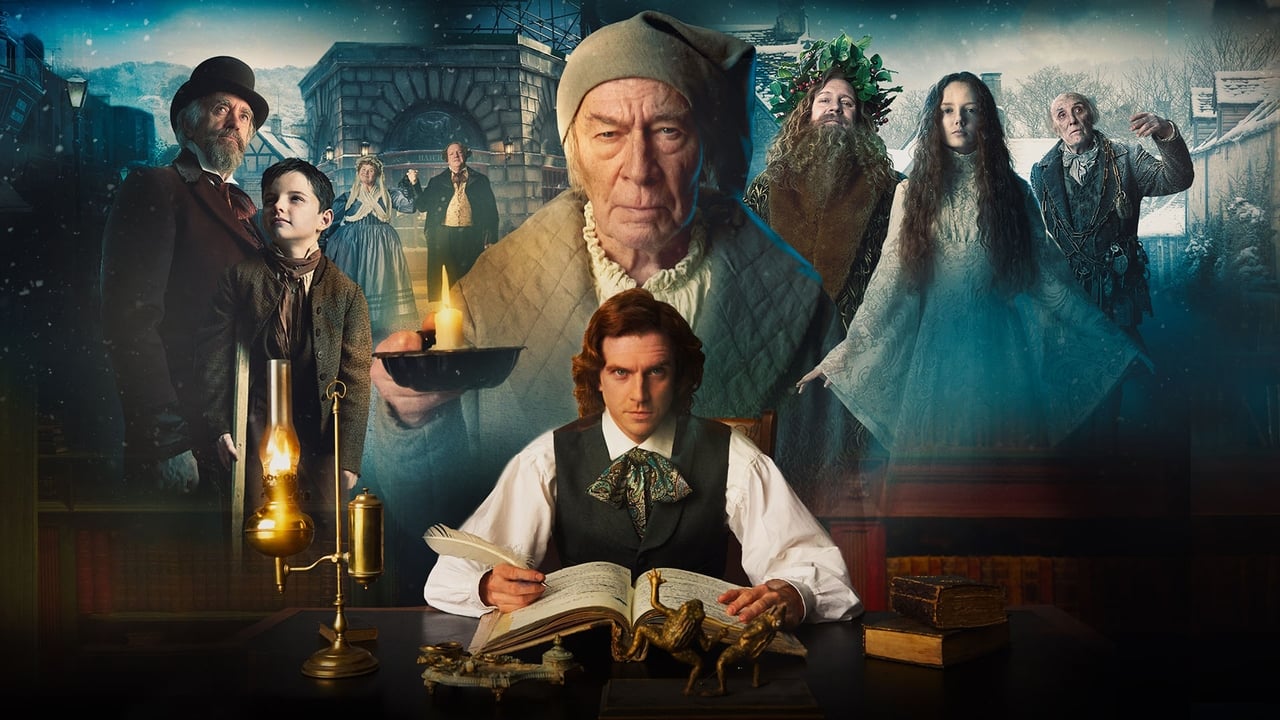
    Written by Susan Coyne for the feature film The Man Who Invented Christmas, this intense dramatic duologue captures an explosive confrontation between Charles Dickens and his father. Upon returning home, Dickens catches his father rummaging through the household rubbish to scavenge and sell his discarded signatures for quick cash. The humiliating discovery unleashes a torrent of long-repressed bitterness regarding childhood trauma, financial neglect, and the painful burden of family expectations.

    Character Analysis

    Dickens carries deep psychological scars from his youth, driven by an abiding dread of poverty and the shame of his family's insolvency. His demeanor shifts rapidly from disbelief to incandescent fury as he refuses to indulge his parent's habitual excuses and self-pity. Mr. Dickens represents a tragic, thriftless patriarch caught in an act of public degradation, relying on theatrical rhetoric and emotional manipulation to soften the blow of his profound failure.

    Why This Works for Auditions

    The dialogue provides an exceptional showcase for actors seeking high-stakes dramatic material anchored by complex vulnerability. It contains a compelling dramatic arc that escalates rapidly within a concise two-minute framework, giving both performers ample room to explore betrayal, resentment, and underlying grief. Audition panels and casting directors will immediately notice an actor's capacity to drive urgent emotional stakes while maintaining clarity and vocal discipline under pressure.

    Best Suited For

    This selection is superbly suited for drama school auditions, professional self-tapes, agent showcases, and general studio practice. It offers rich material for actors playing intense, commanding leading roles or nuanced, emotionally fractured character parts. Performers in the 25 to 35 age range will find it particularly effective for demonstrating gravitas, emotional depth, and classical text engagement within a dramatic setting.

    Performance Tips

    Avoid entering the scene at maximum volume, as Dickens's anger is far more devastating when it builds from genuine hurt and bewilderment. Anchor the confrontation in the physical space, reacting viscerally to the evidence in hand and resisting the urge to generalize the emotion. For the father, play the desperation and the desperate clinging to dignity rather than simply retreating into defeat, ensuring the scene remains an active tug-of-war until the final beat.

    No ratings yet
    Sign in to rate