Film
duologue
Drama
Thriller

I Gotta Turn My Back on You

from Goodfellas

Written by Nicholas Pileggi

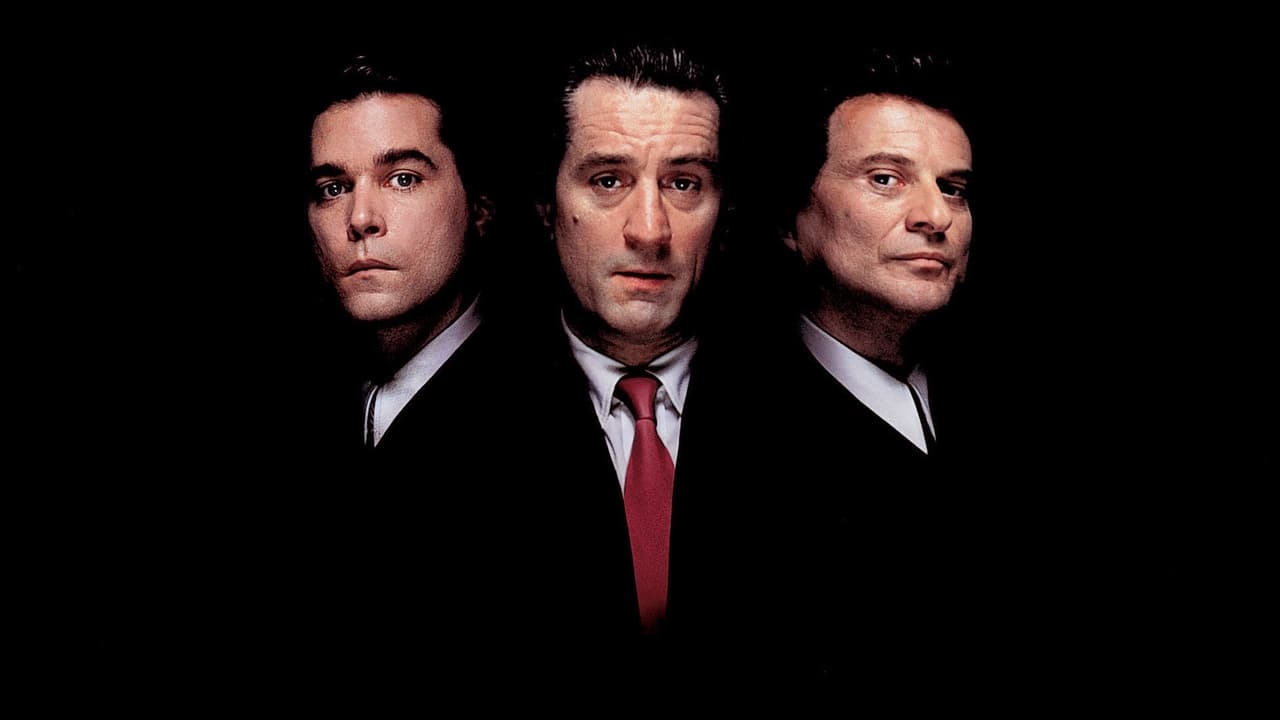
Goodfellas

Paulie confronts Henry about his drug dealing and lies, ultimately cutting ties with his long-time protégé to protect the organization.

Start a free 7-day trial — 5 downloads a day, unlimited when Pro begins

Rehearse this scene
Rehearse on your terms

Choose your role and voices for the other characters. Run the scene at your own pace.

Scene PreviewExcerpt — subscribe to read full scene

VARIO

I warned you a million times.

HENRY

I've been all fucked up since I got out.

VARIO

You think I didn't know what you were doing?

HENRY

It was easy money. I did it in the can. Shit! I learned the junk business in the can, Paulie.

VARIO

Right in my face. You looked in my face and you lied.

End of preview. Continue with Pro below.

7 days freeYour next rehearsal starts here

Found your next scene? Make it yours.

Start your free trial and read I Gotta Turn My Back on You in full, with access to 3,000+ monologues and scenes to explore next.

  • Read the full scene and explore the library
  • Download your script in a clean, printable format
  • Take it into rehearsal with the Script Reader
Casting Types
Get Feedback
Coming Soon

Want expert coaching on this scene?

Browse our curated list of acting coaches, dialect specialists, and more.

Find a Coach

Need representation?

Browse verified agents and casting directors in our directory.

Scene Notes & Audition Tips

5 sections
About This Scene

This intense duologue from "Goodfellas" captures a pivotal moment of betrayal and profound emotional rupture between two men. Vario, a patriarch figure, confronts his protégé Henry about his unauthorized drug dealing and blatant dishonesty. The scene escalates from Vario's quiet disappointment to a heartbreaking severance of ties, as he ultimately chooses to protect his organization over his long-standing relationship with Henry. It's a powerful display of consequences and the high cost of disloyalty within a strict criminal code.

Character Analysis

Vario, in his 50s-60s, embodies the stern, uncompromising leader whose word is law. He operates with a deep sense of tradition and loyalty, which makes Henry's actions a personal affront beyond just a breach of rules. His dialogue is measured but carries immense weight, culminating in a devastating act of expulsion. Henry, in his 30s-40s, is desperate and remorseful, caught between his ambition and his fear of losing Vario's protection. He tries to rationalize, beg, and appeal to their past bond, showcasing a character wrestling with the immediate repercussions of his reckless choices.

Why This Works for Auditions

This scene is excellent for auditions because it provides substantial emotional arc and clear character objectives within a short duration. Actors can demonstrate a wide range of emotions, from simmering anger and hurt to desperate pleading and profound sorrow, without needing extensive setup. The direct confrontation and the definitive nature of Vario's decision offer a powerful climax, allowing both actors to showcase their ability to navigate complex emotional shifts and deliver impactful performances. It also highlights the ability to play high-stakes drama with nuance.

Best Suited For

This duologue is best suited for male actors aged 30s-60s who can embody complex criminal archetypes and authority figures. It's ideal for those seeking roles as patriarchs, anti-heroes, or gritty characters within a dramatic framework. The scene provides a strong platform for actors who excel at portraying internal conflict, power dynamics, and the deep emotional bonds that exist even in dangerous environments. It is particularly effective for those who can convey intensity and vulnerability simultaneously.

Performance Tips

When approaching this scene, Vario should focus on the heavy weight of his decision and the profound disappointment he feels, allowing his anger to manifest as a quiet, controlled devastation rather than an outburst. For Henry, lean into the desperation and genuine regret, but also the underlying self-preservation that drives his pleas. Pay close attention to the subtext of their shared history and the unspoken power dynamics. The final moment of Vario handing Henry the money, then cutting ties, should be played with stark emotional clarity, emphasizing the finality and the deep personal cost of their parting.

Explore this topic