Film
monologue
Drama
Thriller

The Schnook

from Goodfellas

Written by Nicholas Pileggi

Goodfellas

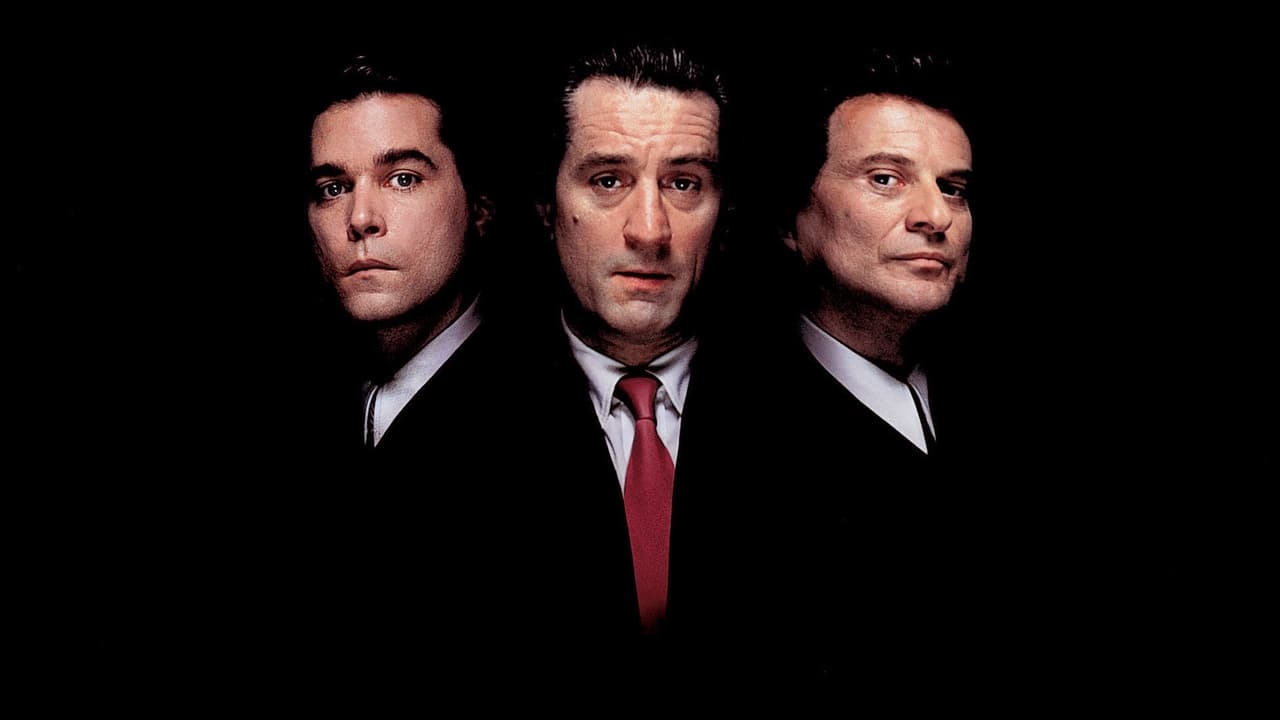
Henry Hill reflects on the loss of his glamorous mob lifestyle as he adjusts to the mundane, disappointing reality of the witness protection program.

Start a free 7-day trial — 5 downloads a day, unlimited when Pro begins

Rehearse on your terms

Take this monologue into rehearsal and work through it at your own pace.

Scene PreviewExcerpt — subscribe to read full scene

HENRY

It didn't matter. When I was broke I just went out and robbed some more. We ran everything. We paid off lawyers. We paid off cops. Everybody had their hands out. And now it's all over.
End of preview. Continue with Pro below.

7 days freeYour next rehearsal starts here

Found your next scene? Make it yours.

Start your free trial and read The Schnook in full, with access to 3,000+ monologues and scenes to explore next.

  • Read the full scene and explore the library
  • Download your script in a clean, printable format
  • Take it into rehearsal with the Script Reader
Casting Types
Get Feedback
Coming Soon

Want expert coaching on this scene?

Browse our curated list of acting coaches, dialect specialists, and more.

Find a Coach

Need representation?

Browse verified agents and casting directors in our directory.

Scene Notes & Audition Tips

5 sections
About This Scene

This powerful monologue from *Goodfellas* features Henry Hill reflecting on his dramatic fall from grace. He articulates the stark contrast between his former life of power and illicit glamour within the mob and his current, mundane existence in witness protection. The scene captures Henry's profound regret, not for his crimes, but for the loss of the opulent lifestyle he once enjoyed. It highlights the crushing weight of ordinary life on someone accustomed to living above the law, showcasing a character grappling with identity and the consequences of his choices.

Character Analysis

Henry Hill, in this monologue, is a man whose identity was entirely wrapped up in his criminal enterprise. He views his past with nostalgia and a detached understanding of its mechanics, stating, "We ran everything. We paid off lawyers. We paid off cops." His palpable disdain for his new "average" reality, especially his frustration with mundane tasks and food, reveals a character who prioritizes excitement and status over moral considerations. He struggles profoundly with feeling ordinary and powerless, making him a complex anti-hero.

Why This Works for Auditions

This monologue is an excellent audition choice due to its dynamic emotional range. Actors can demonstrate a compelling arc, moving from detached recollection of power to deep frustration and bitter resignation. The direct address to the camera in the latter part offers a fantastic opportunity for actors to connect intimately with the audience. This showcases their ability to convey complex internal states and a powerful, authentic presence, ensuring a memorable audition.

Best Suited For

This scene is particularly well-suited for male actors aged 45-55 looking to portray intense, gritty characters with strong internal conflict. It’s ideal for those targeting roles requiring a nuanced performance of an anti-hero or a character undergoing a significant life transition. Actors who can tap into themes of regret, loss of status, and the struggle with a new identity will find this monologue a perfect vehicle for their talents, making it great for general practice or agent showcases.

Performance Tips

When approaching this monologue, focus on Henry's internal conflict between his past swagger and current humiliation. His casual mention of "robbing some more" when broke should carry confident nonchalance, sharply contrasting with his palpable frustration over "egg noodles and ketchup." Pay attention to the shift in vocal delivery as he transitions from narration to direct address. The final lines, "I’m an average nobody. I get to live the rest of my life like a schnook," should land with profound bitterness and self-pity, showing the heavy weight of the ordinary on a man who once felt extraordinary.

Explore this topic