Dinner Table Argument — The Pianist

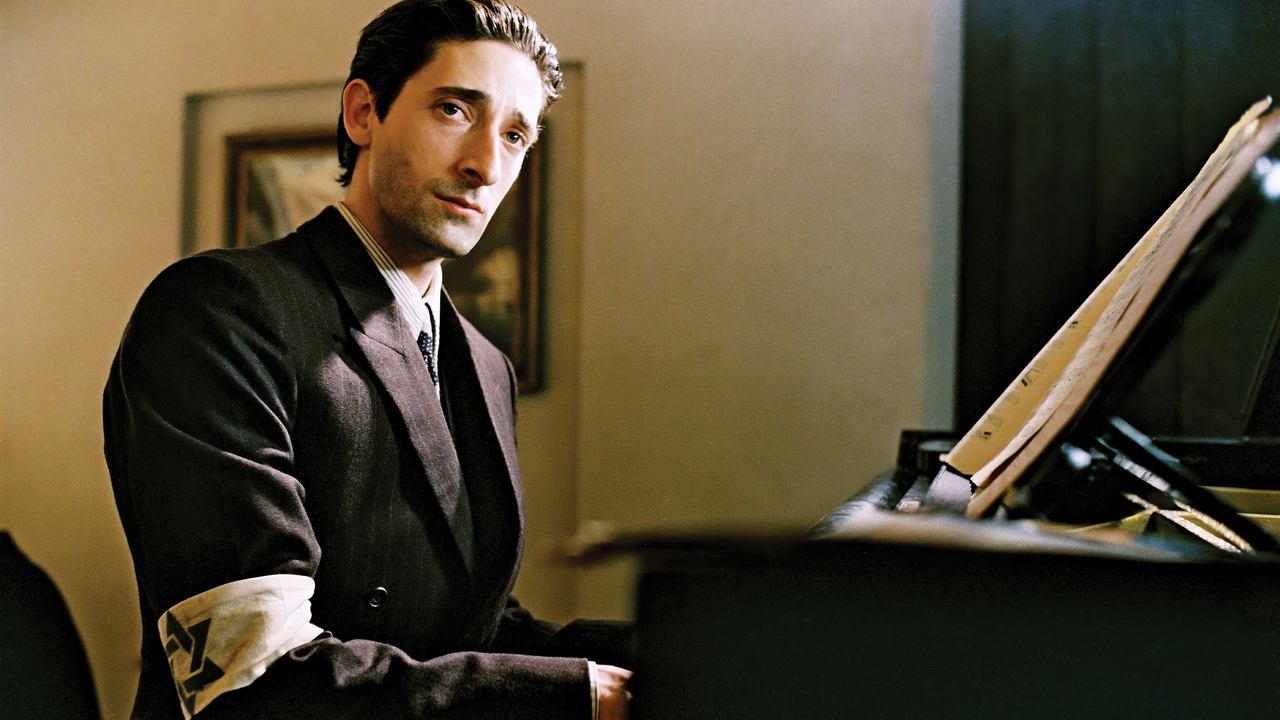
During a family dinner, Henryk attempts to lighten the mood with a dark joke about a doctor in the ghetto, which is met with silence and disapproval. The conversation quickly devolves into an argument about their current circumstances and the futility of their individual efforts.

MOTHER And, please, tonight, for once, I don't want anything bad talked about. Let's enjoy our meal.

HENRYK Okay, then I'll tell you something funny. You know who I mean by Dr. Raszeja.

REGINA The surgeon?

HENRYK The surgeon. Well, for some reason, don't ask me why, the Germans allowed him into the ghetto to perform an operation...

Format: Scene · Genre: Drama · Source: The Pianist · Author: Ronald Harwood · Characters: HENRYK, SZPILMAN

About This Scene

This intense group scene is set during a family dinner, which quickly devolves from an attempt at normalcy into a heated argument. The catalyst is Henryk's ill-timed and dark joke, revealing the immense psychological pressure and desperation everyone is experiencing. It’s a dynamic display of how characters cope (or fail to cope) with an overwhelming and terrifying situation, bringing their individual frustrations and coping mechanisms to the surface in a very public, familial way.

Character Analysis

Henryk is a character struggling with the horror of their circumstances, attempting to mask terror with dark humor and bravado. His actions are born from a desperate need to feel some sense of control or release, even if it alienates those around him. Szpilman, on the other hand, represents a more reserved, perhaps intellectual, approach to survival, clinging to his identity as a musician even as it is challenged and ridiculed. Both characters are deeply vulnerable, reacting to their environment in distinct, yet equally desperate, ways.

Why This Works for Auditions

This scene is excellent for auditions because it showcases a rapid shift in tone and emotional depth within a confined space. Actors can demonstrate their ability to portray internal conflict, external aggression, and underlying vulnerability. The quick verbal exchanges require sharp timing and strong listening skills, allowing performers to highlight their responsiveness and dynamic range. Furthermore, the scene offers rich subtext, providing opportunities to explore layers of emotion beneath the dialogue.

Best Suited For

This scene is particularly well-suited for actors aged 25-55 who can embody intense dramatic energy and are comfortable with group dynamics. It’s ideal for character actors and those specializing in dramatic roles that require emotional complexity and a sense of desperation. The material lends itself well to actors who can convey a sense of a tightly wound individual teetering on the edge, making it perfect for demonstrating a raw, vulnerable, yet explosive intensity.

Performance Tips

When approaching this scene, focus on the subtext of survival and desperation that underpins every line. For Henryk, lean into the uncomfortable truth behind his humor; his laughter should feel forced and on the verge of breaking. For Szpilman, let the indignation over his tie be a stand-in for a much larger frustration about their circumstances and his diminishing sense of self-worth. Ensure strong eye contact and active listening, even when

characters are at odds, as the family dynamic is crucial to portraying the weight of their argument. Remember that the silence from the other characters after the joke is as powerful as any spoken line, so react genuinely to that uncomfortable space.