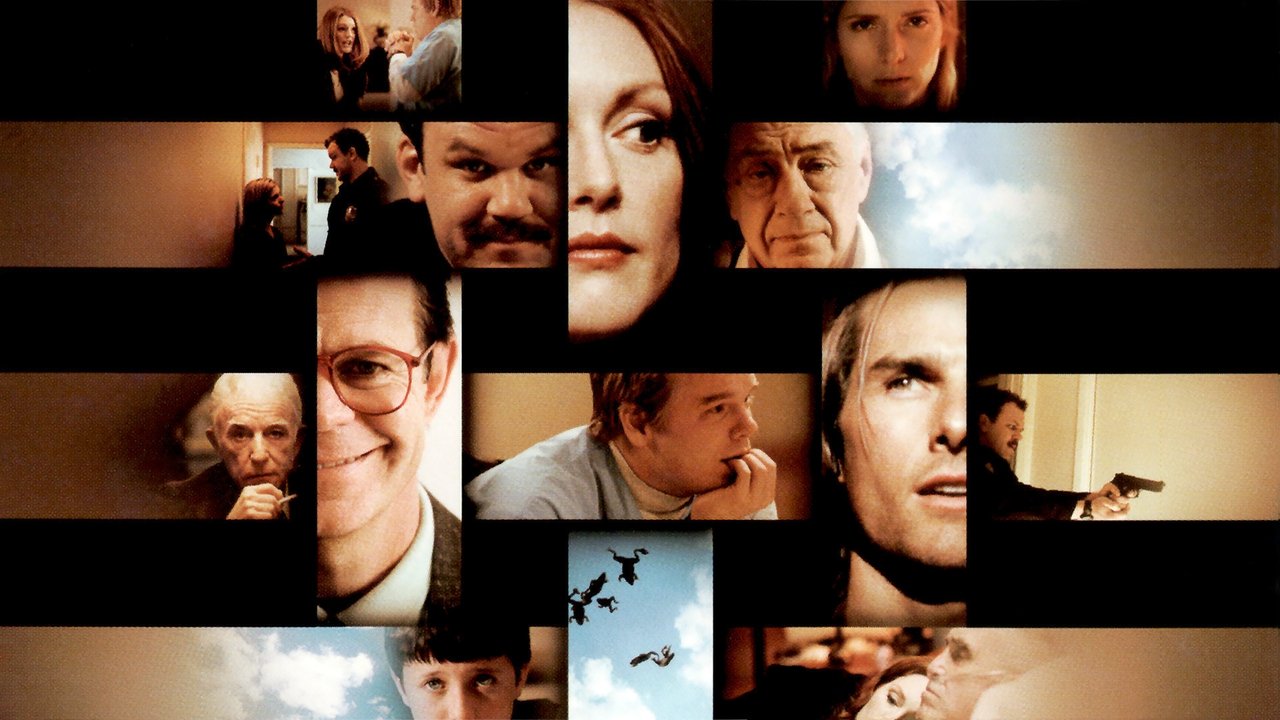

Earl's Regret — Magnolia

A dying man on his deathbed confesses his deep-seated regrets and past infidelities to his nurse. He recounts the toxic way he treated his late wife, Lily, and the guilt of abandoning his son during her terminal illness.

EARL: Mistakes like this are not ok. Sometimes you make some, and ok, but not sometimes to make other one. I loved Lily. I cheated on her. For thirty-five years. And I have this son. And she has cancer. And I'm not there. And he's forced to take care of her. He's fourteen years old to take care of his mother and watch her die on him. Little kid. And I'm…

Format: Monologue · Genre: Drama · Source: Magnolia · Author: Paul Thomas Anderson · Characters: Earl, Phil

About This Scene

This powerful monologue, "Earl's Regret," from the film Magnolia, offers an actor a profound exploration of a man confronting his past as he faces his own mortality. Earl, a dying man, confesses his deep-seated remorse to his nurse, Phil, revealing a lifetime of infidelity and the devastating consequences of his actions on his family. The scene is a raw, emotional outpouring of guilt and sorrow, focusing on his mistreatment of his late wife, Lily, and his abandonment of their young son during her final illness.

Character Analysis

Earl is a character burdened by immense regret, facing an inescapable reckoning with his past. He carries the weight of decades of infidelity and the profound guilt of not being present for his son during his mother's terminal illness. Despite his past failings, there's a glimpse of his capacity for love, particularly for Lily, which makes his confession all the more tragic. His vulnerability is palpable as he opens up, suggesting he has lived with this emotional baggage for a very long time, making this deathbed confession an attempt at some form of belated absolution or understanding.

Why This Works for Auditions

"Earl's Regret" provides exceptional material for auditions due to its immediate emotional depth and clear narrative arc within a single monologue. It allows an actor to showcase a wide range of emotions, from profound guilt and sorrow to a desperate plea for understanding or forgiveness, all while maintaining a consistent through-line of regret. The raw honesty of Earl's confession offers a powerful opportunity to demonstrate vulnerability and the ability to portray a complex character grappling with life-altering choices and their consequences, making it highly impactful in a short performance time.

Best Suited For

This monologue is ideally suited for male actors aged 55 and above who are looking to portray complex, emotionally rich characters. It's excellent for drama school auditions, agent showcases, and self-tapes where the goal is to demonstrate a deep understanding of human frailty and the capacity for profound emotion. It particularly shines for actors who can embody a sense of weariness, world-weariness, and a character grappling with the echoes of a past he cannot change, making it perfect for those exploring "Elderly," "Vulnerable," or "Character Actor" casting types.

Performance Tips

When approaching "Earl's Regret," focus on the weight of each revelation and how it physically and emotionally affects Earl. Consider the journey from his initial guardedness to the full flood of his confession, allowing the vulnerability to unfold naturally. Pay close attention to building the emotional stakes with each memory, particularly the abandonment of his son. Remember that this confession is not just for Phil, but also an internal wrestling match; let the internal monologue of regret and longing for a different past be evident in your stillness and your choices, allowing the silences to be as powerful as the words.