Skip to content
    Film
    duologue
    Drama

    Ed Baynard's List

    from Peter Hujar's Day

    Written by Ira Sachs

    Peter Hujar's Day

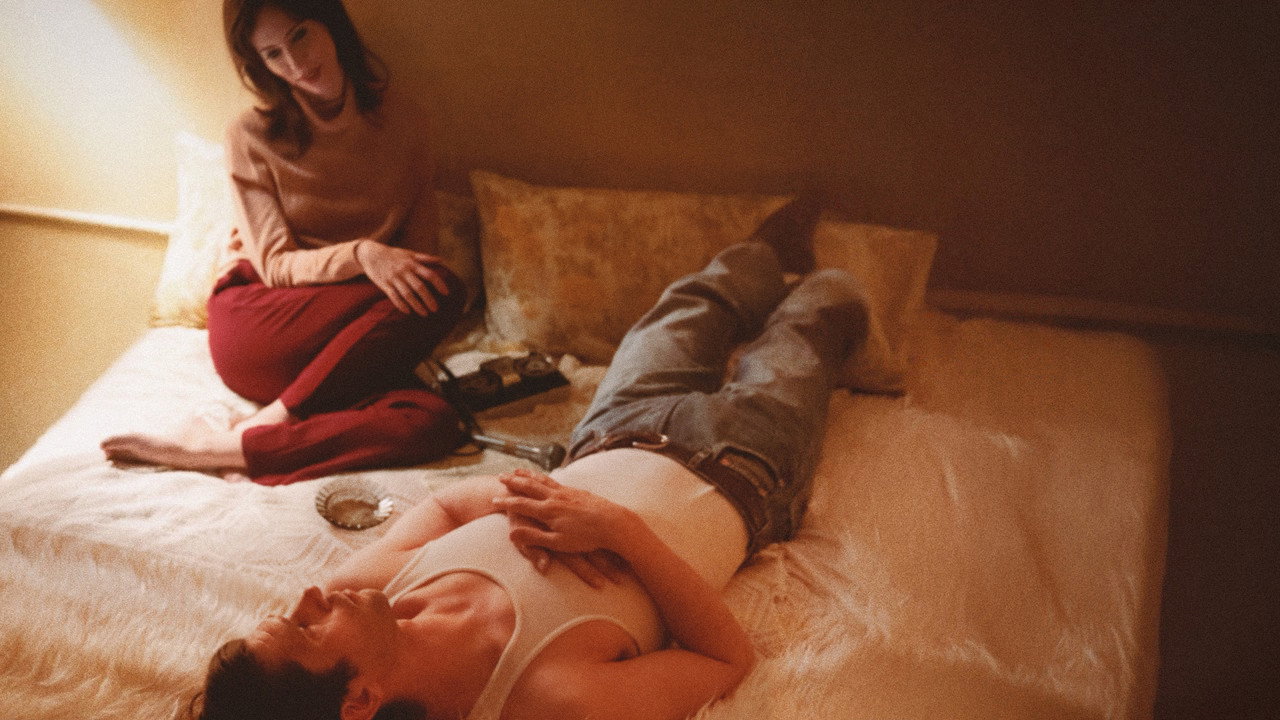
    Peter recounts a frustrating morning of phone calls and social obligations to Linda while discussing his artistic standards and upcoming gallery shows.

    Start a free 7-day trial — 5 downloads a day, unlimited when Pro begins

    Rehearse this scene
    Rehearse on your terms

    Choose your role and voices for the other characters. Run the scene at your own pace.

    Scene PreviewExcerpt — subscribe to read full scene

    PETER

    My plan is, at this point, to go back to bed.

    LINDA

    What time is it about?

    PETER

    It is now about 10:15. Because that’s what I wanted to do. I wanted to get rid of that girl and go back to sleep until 11:30. Then Ed Baynard called.

    LINDA

    Did you go back to sleep?

    End of preview. Continue with Pro below.

    7 days freeYour next rehearsal starts here

    Found your next scene? Make it yours.

    Start your free trial and read Ed Baynard's List in full, with access to 6,000+ monologues and scenes to explore next.

    • Read the full scene and explore the library
    • Download your script in a clean, printable format
    • Take it into rehearsal with the Script Reader
    Casting Types
    Get Feedback
    Coming Soon

    Want expert coaching on this scene?

    Browse our curated list of acting coaches, dialect specialists, and more.

    Find a Coach

    Need representation?

    Browse verified agents and casting directors in our directory.

    Scene Notes & Audition Tips

    5 sections
    About This Scene

    Written by Ira Sachs for the contemporary drama film Peter Hujar's Day, this three-minute duologue captures an intimate, everyday exchange between Peter and his close friend Linda. Peter recounts a tiring morning spent fielding unwanted phone calls and navigating social friction within the contemporary art world. As he unpacks the events of his morning, the dialogue effortlessly expands into a candid discussion about upcoming gallery shows, peer relationships, and his uncompromising artistic standards.

    Character Analysis

    Peter is an intense, vulnerable artist in his forties who feels the heavy burden of social obligations and professional networking. He often operates as an outsider within his creative circle, fiercely protecting his personal time while maintaining a dry, observant wit about the people around him. Linda acts as his trusted confidante and steady sounding board. She meets his passionate complaints with lived-in familiarity, quiet amusement, and affectionate patience, allowing Peter the necessary space to process his internal artistic conflicts.

    Why This Works for Auditions

    This piece provides performers with an exceptional showcase for naturalistic storytelling, conversational dexterity, and layered emotional subtext. Rather than leaning on theatrical melodrama, the scene relies entirely on the quiet push and pull between fatigue, professional pride, and interpersonal trust. Casting directors can immediately assess an actor's ability to hold space, maintain fluid conversational rhythms, and make dense, anecdotal storytelling feel completely spontaneous, relaxed, and anchored in truthful observation.

    Best Suited For

    Tailored for male actors aged 35 to 45, this scene serves performers aligned with Outsider, Everyman, Intense, and complex Leading Man casting types. The material translates exceptionally well to on-camera self-tapes, agent and manager showcases, and advanced partnership practice where directors look for grounded presence and an effortless command of conversational scene work.

    Performance Tips

    Avoid playing Peter's irritation as one continuous, heavy note of complaint. Lean into the comic relief that comes from sharing petty grievances with someone who understands you completely. Keep your physical behavior natural and engaged with your surroundings, which will prevent the narrative stories from feeling static or staged. Notice the clear shift in focus when the dialogue moves away from gossip and toward your artistic choices; let that transition bring a grounded stillness and genuine vulnerability to your objective.

    No ratings yet
    Sign in to rate