Film
duologue
Drama

Falstaff's Theology of Snakes

from The King

Written by David Michôd

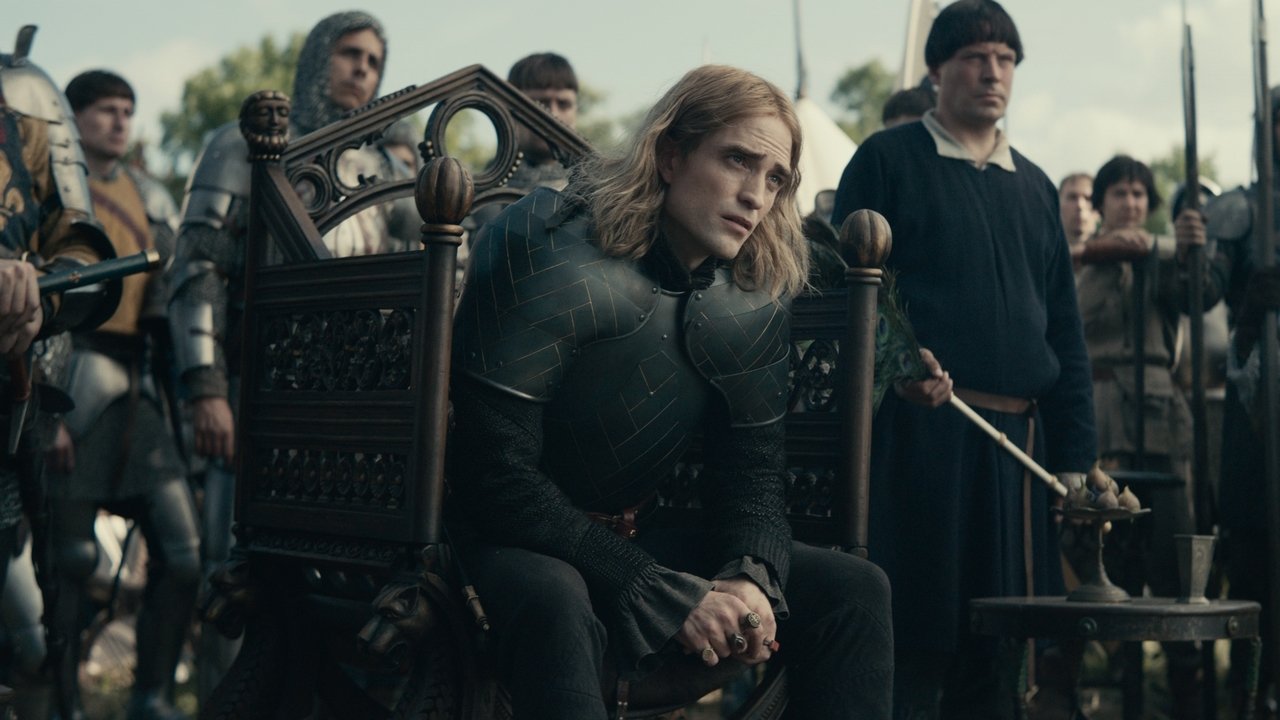
The King

In a tavern, Falstaff challenges the religious authority of the church by pointing out the hypocrisy of the Papal Schism. He argues that the political maneuvering of the clergy proves they do not speak for God, despite the Drinker's growing discomfort and fear of heresy.

Start a free 7-day trial — 5 downloads a day, unlimited when Pro begins

Rehearse this scene
Rehearse on your terms

Choose your role and voices for the other characters. Run the scene at your own pace.

Scene PreviewExcerpt — subscribe to read full scene

FALSTAFF

Remember. Remember that as we speak there are two Popes. Two! One in Rome. One in France.

FALSTAFF

They both claim to be the Lord's voice here on earth. They can not

End of preview. Continue with Pro below.

7 days freeYour next rehearsal starts here

Found your next scene? Make it yours.

Start your free trial and read Falstaff's Theology of Snakes in full, with access to 1,000+ monologues and scenes to explore next.

  • Read the full scene and explore the library
  • Download your script in a clean, printable format
  • Take it into rehearsal with the Script Reader
Casting Types
Get Feedback
Coming Soon

Want expert coaching on this scene?

Browse our curated list of acting coaches, dialect specialists, and more.

Find a Coach

Need representation?

Browse verified agents and casting directors in our directory.

Scene Notes & Audition Tips

5 sections
About This Scene

This compelling duologue from the film *The King* presents a powerful moment of philosophical and religious confrontation in a tavern setting. Titled "Falstaff's Theology of Snakes," the scene features Falstaff challenging the established religious authority of the church, specifically focusing on the hypocrisy of the Papal Schism. His arguments provoke discomfort and fear in the Drinker, highlighting a clash between institutional dogma and individual, cynical interpretation, set against a backdrop of historical religious turmoil.

Character Analysis

Falstaff, in this iteration, is portrayed as an intelligent, audacious, and profoundly cynical individual who dares to question fundamental societal beliefs. He holds a mentor-like presence, albeit one that challenges rather than comforts, embodying an Outsider or Character Actor archetype who is unafraid to speak his mind, even if it borders on heresy. The Drinker serves as a foil, representing the anxiety and traditional piety of the common person confronted with radical ideas. This dynamic allows for a rich exploration of power, belief, and the fear of challenging authority.

Why This Works for Auditions

This scene offers exceptional material for auditions due to its intense tone and clear dramatic conflict. It allows actors to showcase a broad emotional range, from Falstaff's intellectual provocation and cunning to the Drinker's palpable fear and ingrained faith. The contemporary period setting, despite its historical subject matter, ensures the dialogue feels immediate and relatable, providing an opportunity to deliver a nuanced and memorable performance that stands out to casting directors.

Best Suited For

"Falstaff's Theology of Snakes" is ideally suited for Character Actors, those portraying Mentors, Outsiders, or Working Class types within the 45-55 age range. It's particularly effective for actors comfortable with intense drama and roles that require a strong, opinionated presence. This material would shine in an agent-showcase, provide excellent content for a self-tape, or serve as fantastic practice for honing character development and emotional depth.

Performance Tips

For Falstaff, lean into the character's intellectual curiosity and his audacious disregard for perceived authority. Your performance should convey a sense of genuine conviction, tempered with a sly, almost dangerous, wit, making sure to land the philosophical weight of his arguments. For the Drinker, focus on the escalating discomfort and underlying fear, showing how Falstaff's words chip away at deeply held beliefs. Emphasize the internal struggle between intellectual understanding and a visceral, almost superstitious, dread of sacrilege.

Explore this topic