Film
group
Drama

Garage Scene — Calvary

from Calvary

Written by John Michael McDonagh

Calvary

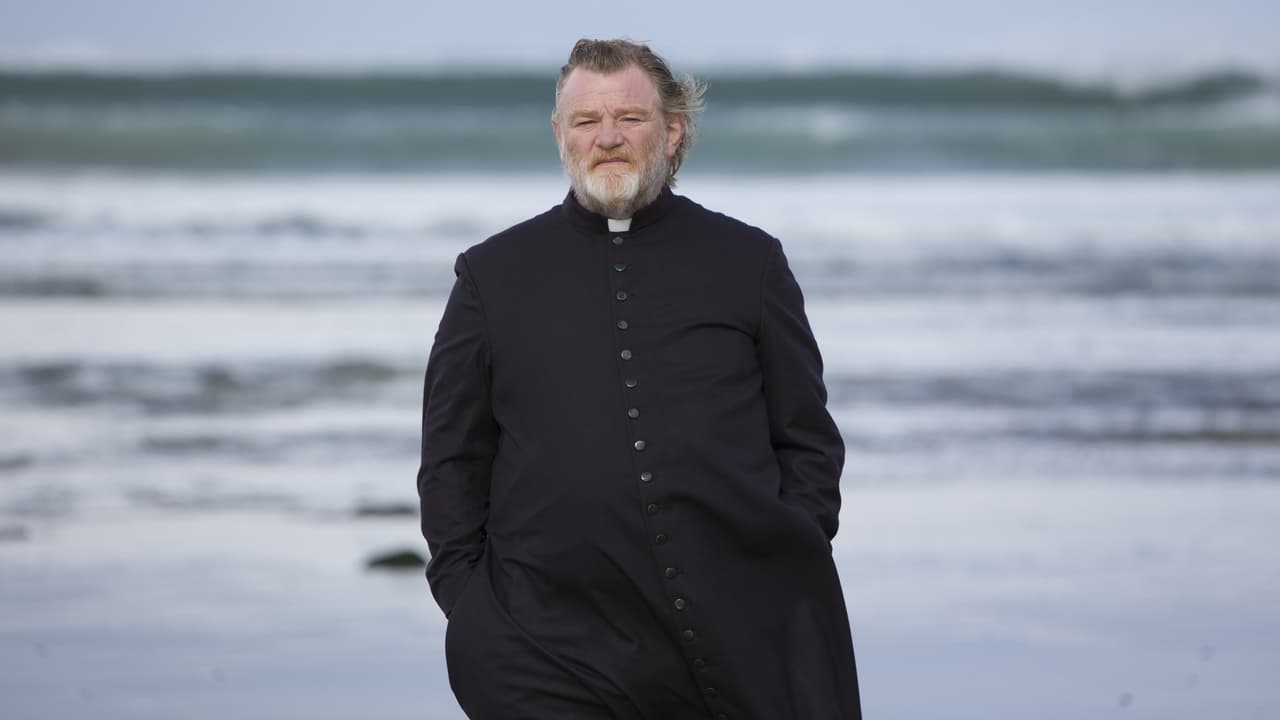
A priest, Father Lavelle, confronts a local mechanic and a husband regarding the domestic abuse of a woman in their community. The conversation turns hostile as they discuss morality, race, and the history of the church.

Start a free 7-day trial — 5 downloads a day, unlimited when Pro begins

Rehearse this scene
Rehearse on your terms

Choose your role and voices for the other characters. Run the scene at your own pace.

Scene PreviewExcerpt — subscribe to read full scene

LAVELLE

Somebody beat her up. It’s either you or the husband.

ASAMOAH

I do not think Jack beat her up. He is not the type.

LAVELLE

What is the type?

ASAMOAH

Some of them like to be hit, you know.
End of preview. Continue with Pro below.

7 days freeYour next rehearsal starts here

Found your next scene? Make it yours.

Start your free trial and read Garage Scene — Calvary in full, with access to 1,000+ monologues and scenes to explore next.

  • Read the full scene and explore the library
  • Download your script in a clean, printable format
  • Take it into rehearsal with the Script Reader
Casting Types
Get Feedback
Coming Soon

Want expert coaching on this scene?

Browse our curated list of acting coaches, dialect specialists, and more.

Find a Coach

Need representation?

Browse verified agents and casting directors in our directory.

Scene Notes & Audition Tips

5 sections
About This Scene

This intense drama from the film *Calvary* features a pivotal confrontation between three men. Father Lavelle, a priest, steps into a volatile situation, directly challenging a mechanic, Brennan, and another man, Asamoah, about the domestic abuse suffered by a woman in their community. The conversation rapidly escalates, moving beyond the immediate accusation to broader, and deeply uncomfortable, discussions of morality, race, and the complex history of the church. This scene offers a powerful exploration of difficult societal issues through highly charged personal interactions.

Character Analysis

Father Lavelle is a moral compass attempting to navigate a world increasingly fraught with cynicism and hypocrisy. He is direct and unwavering in his pursuit of truth, yet perhaps naive to the entrenched perspectives he encounters. Brennan, the mechanic, likely embodies a working-class stoicism, perhaps hardened by life, and defensive when challenged. Asamoah presents a more complex character; he might be an authority figure within their community, yet his perspective appears to be disturbingly detached from the victim's plight, revealing a troubling cynicism or complicity. All three characters display an intense conviction in their differing viewpoints.

Why This Works for Auditions

This group scene is an excellent choice for auditions due to its high stakes and intense emotional arc, all within a compact runtime. It provides ample opportunity for actors to showcase their ability to handle charged dialogue, subtle shifts in power dynamics, and the portrayal of complex moral ambiguities. The rapid escalation of conflict demands strong reactive acting and the capability to maintain tension, making it ideal for demonstrating a commanding presence and nuanced performance. Furthermore, its focus on heavy themes allows for a dramatic and memorable presentation of an actor's range.

Best Suited For

This scene is ideally suited for male actors aged 35-45 looking to portray roles that involve authority, villainous undertones, or strong working-class characters grappling with ethical dilemmas. It’s perfect for those comfortable with intense dramatic material and who can embody characters with unshakeable beliefs, even if those beliefs are problematic. The confrontational nature makes it particularly effective for showcases where an actor needs to make a significant impact in a short amount of time, or for a self-tape where strong emotional work is paramount.

Performance Tips

Approach this scene with a clear sense of your character's objective and their deep-seated beliefs, no matter how uncomfortable. For Father Lavelle, lean into his steadfast moral conviction and the weight of his calling, but also explore any underlying frustration or weariness. For Brennan and Asamoah, consider what experiences have shaped their cynical or unyielding perspectives, and how that informs their deflections and counter-arguments. Pay close attention to active listening and reaction, allowing the rapid-fire dialogue to build organically. The tension should feel palpable, so don't shy away from uncomfortable silences or direct, unwavering eye contact.

Explore this topic