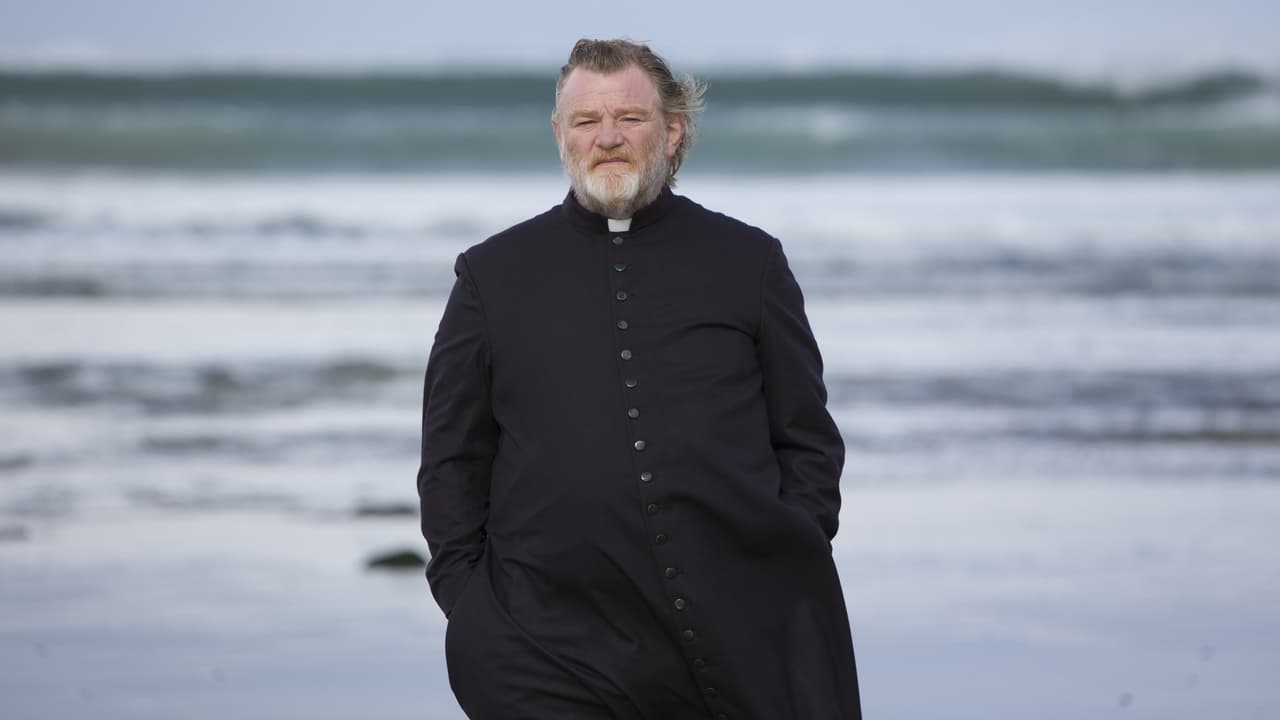

Father Leary expresses his frustration and lack of worldliness regarding the confessions he hears, specifically concerning a woman being abused. Father Lavelle acts as the more grounded, cynical, and knowledgeable counterpart.
LEARY: The things you hear in confession these days, it’s depressing.
LAVELLE: You have to detach yourself from it. We’re here to provide solace. Your personal feelings don’t come into it.
LEARY: I know that. What d’you take me for? It’s very difficult, though. The mess people make of their lives.
Create a free account to explore more
Upgrade to Pro for full access — £6.99/month
Director's Notes
Want expert coaching on this scene?
Browse our curated list of acting coaches, dialect specialists, and more.
Need representation?
Browse verified agents and casting directors in our directory.
How well does this scene match you?
Save your casting profile to see match scores on every scene.
Try Headshot AnalyserGo Pro
£6.99/mo
- ✓ Unlimited scene reading
- ✓ PDF downloads
- ✓ Director's Notes
- ✓ Headshot Analyser
- ✓ Cover Letter Generator
- ✓ Practice Mode
- ✓ Agent Connect
- + 1,000+ scenes
Similar Scenes
The Replacements - The Quarterback Offer
from The Replacements
Coach McGinty visits Shane Falco at his boat yard to recruit him as a replacement quarterback during a professional football strike. Shane is hesitant and haunted by his past failures, but McGinty challenges him to reclaim his fire and take one last shot at glory.
Being John Malkovich - The Interview
from Being John Malkovich
Craig Schwartz, a struggling puppeteer, interviews for a filing job at the eccentric LesterCorp. The scene highlights the surreal nature of the company's office—located on a floor with half-height ceilings—and establishes the bizarre, existential tone of the workplace.
Act II — The Dog Song and Reunion
from Waiting for Godot
Vladimir opens the second act with a recursive song about a dog before being reunited with a weary and battered Estragon. The scene explores their codependent relationship and the repetitive, cyclical nature of their existence.
Isabel and Pilar's Talk
from Love, Victor
A mother catches her teenage daughter attempting to send an inappropriate photo to her long-distance boyfriend. The confrontation shifts from a disciplinary moment to a vulnerable conversation about self-worth and the difficulty of letting go as a parent.