KILMARTIN: How are you getting on - any joy?
PULLMAN: Moving forward. That’s why I wanted to go over a few things with you.
KILMARTIN: Fire away.
PULLMAN: You said Eric Trimble went AWOL.
KILMARTIN: Several times.
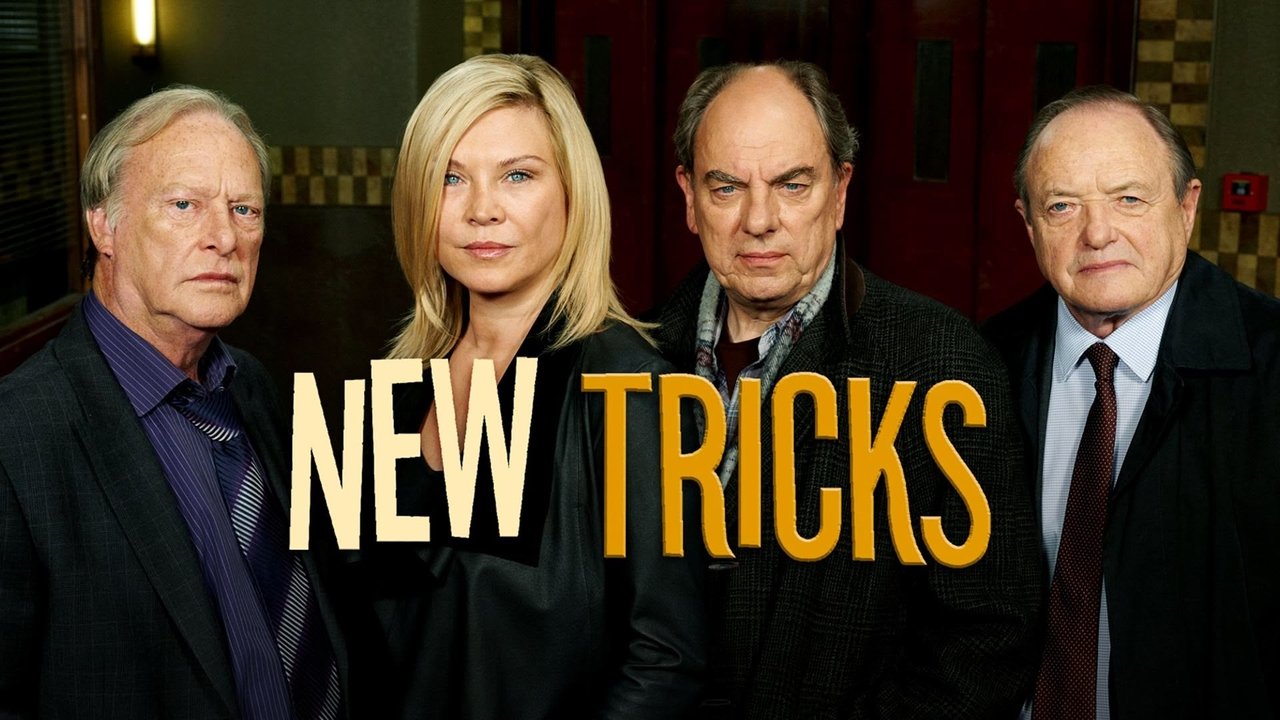
Detectives Pullman and Halford confront Colonel Kilmartin regarding a cold case murder and the suspicious disciplinary history of several soldiers. Halford uses aggressive psychological tactics and the threat of a public arrest to break the Colonel's silence, eventually forcing him to reveal a hidden conflict involving the victim and his fellow soldiers.
KILMARTIN: How are you getting on - any joy?
PULLMAN: Moving forward. That’s why I wanted to go over a few things with you.
KILMARTIN: Fire away.
PULLMAN: You said Eric Trimble went AWOL.
KILMARTIN: Several times.
Format: Scene · Genre: Crime Drama · Source: New Tricks · Author: Roy Mitchell · Characters: Pullman, Halford, Kilmartin
This intense crime drama scene, "Halford's Ultimatum" from New Tricks, features Detectives Pullman and Halford in a high-stakes confrontation with Colonel Kilmartin. The detectives are investigating a cold case murder, and Kilmartin appears to be stonewalling their efforts. The scene escalates rapidly as Halford employs psychological tactics and a powerful threat to extract information.
Colonel Kilmartin is an authority figure, likely a military man in his 50s-60s, embodying a rigid sense of duty and a desire to protect his regiment's reputation. He is initially composed but becomes increasingly flustered and defensive under pressure. Halford, also in the 50s-60s age range and potentially with a military background themselves, is perceptive and highly confrontational, using their insight into human psychology to dismantle Kilmartin's defenses. Pullman, working alongside Halford, is a detective who uses a more understated but equally effective approach, quietly observing and pushing for answers.
This scene is an excellent choice for auditions due to its clear character arcs and escalating tension, providing rich emotional territory for actors. The direct confrontation and shifting power dynamics allow for a powerful display of acting range, particularly in transitioning from guardedness to vulnerability or from calm resolve to aggressive tactics. Its contemporary setting and crime drama genre are perennially popular, making it highly relevant for many casting opportunities.
"Halford's Ultimatum" is ideally suited for actors in their 50s-60s who are looking to showcase their ability to embody intense, intelligent, and commanding characters. It's particularly strong for those hoping to be cast as detectives, authority figures, or individuals with a military background. The scene's confrontational tone and the revealing nature of the character interactions make it perfect for agent showcases or self-tapes where actors need to present a strong, impactful performance.
When approaching this scene, actors should pay close attention to the subtext of each line, especially Kilmartin's attempts to deflect and Halford's strategic questioning. For Kilmartin, focus on the internal conflict between honesty and loyalty, portraying his unraveling composure with nuance. For Halford, cultivate a keen sense of observation and a controlled, building intensity, ensuring that the "ultimatum" lands with maximum impact and credibility. Pullman's role requires a more reactive and subtle performance, using non-verbal cues to convey their assessment of the situation and their partner’s tactics.