Skip to content
    Film
    monologue
    Drama

    Hamlet's 'To Be or Not to Be' Monologue

    from Hamnet

    Golden Globe

    Written by Chloé Zhao & Maggie O'Farrell

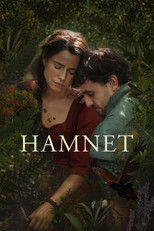
    Hamnet

    2 min · 1 character · Any gender · Under 18

    A young actor performs the iconic soliloquy while his father, Will, watches from the wings, overwhelmed by grief and the weight of existence.

    Start a free 7-day trial — 5 downloads a day, unlimited when Pro begins

    Rehearse on your terms

    Take this monologue into rehearsal and work through it at your own pace.

    Scene PreviewExcerpt — subscribe to read full scene

    HAMNET

    To be, or not to be. That is the question. Whether ‘tis nobler in the mind to suffer the slings and arrows of outrageous fortune, or to take arms against a sea of troubles, and by opposing end them? To die, to sleep - no more; and by a sleep to say we end the heart-ache and the thousand natural shocks that flesh is heir to. ‘Tis a consummation…

    End of preview. Continue with Pro below.

    7 days freeYour next rehearsal starts here

    Found your next scene? Make it yours.

    Start your free trial and read Hamlet's 'To Be or Not to Be' Monologue in full, with access to 8,000+ monologues and scenes to explore next.

    • Read the full scene and explore the library
    • Download your script in a clean, printable format
    • Take it into rehearsal with the Script Reader
    Casting Types
    Get Feedback
    Coming Soon

    Want expert coaching on this scene?

    Browse our curated list of acting coaches, dialect specialists, and more.

    Find a Coach

    Need representation?

    Browse verified agents and casting directors in our directory.

    Scene Notes & Audition Tips

    5 sections
    About This Scene

    In this dramatic scene from the film *Hamnet*, written by Chloé Zhao & Maggie O'Farrell, a young performer takes the stage at the Globe Theatre to deliver the iconic soliloquy. Offstage in the wings, their father, Will, watches in tears, profoundly moved by the performance and confronting his own deep grief and existential questions. The piece recontextualises classic text within an intimate theatrical setting, capturing an emotionally charged moment between a performer and an observer bearing the heavy weight of sorrow.

    Character Analysis

    The performer embodying Hamlet must navigate classic, heightened verse through a deeply vulnerable and raw lens. Though speaking words of universal philosophical enquiry regarding suffering and mortality, the delivery is grounded in palpable emotional immediacy. The character holds the attention of both the playhouse audience and a grieving father, balancing formal theatrical poetry with the honest fragility of youth facing the burdens of existence.

    Why This Works for Auditions

    This monologue allows an actor to showcase their command of classical heightened language while maintaining modern, naturalistic emotional stakes. Running around two minutes, it provides casting directors and panel members with clear evidence of vocal control, breath support, and text analysis. The layered context—performing an existential meditation under the watchful, sorrowful eye of a parent—offers rich subtext that elevates the speech far beyond a standard recitation.

    Best Suited For

    This piece is an exceptional choice for actors under eighteen pursuing drama school auditions, self-tapes, agent showcases, or general classical practice. It is particularly effective for performers fitting teenager, dramatic, intense, outsider, or vulnerable casting types who need to demonstrate sophistication with classical texts. Because the role is suitable for any gender, it offers wide versatility for young actors seeking to tackle timeless, dramatic repertoire.

    Performance Tips

    Focus on clarity of thought rather than declamatory grandeur, allowing each philosophical turn of the verse to feel discovered in the exact moment of speaking. Keep the emotional stakes rooted in genuine vulnerability, resisting the urge to over-dramatise the famous lines. Ground your physical presence and breathe through the verse structure so that the existential inquiry flows naturally from an honest, heartfelt need to understand pain and endurance.

    No ratings yet
    Sign in to rate