Film
monologue
Drama

It Wasn't You

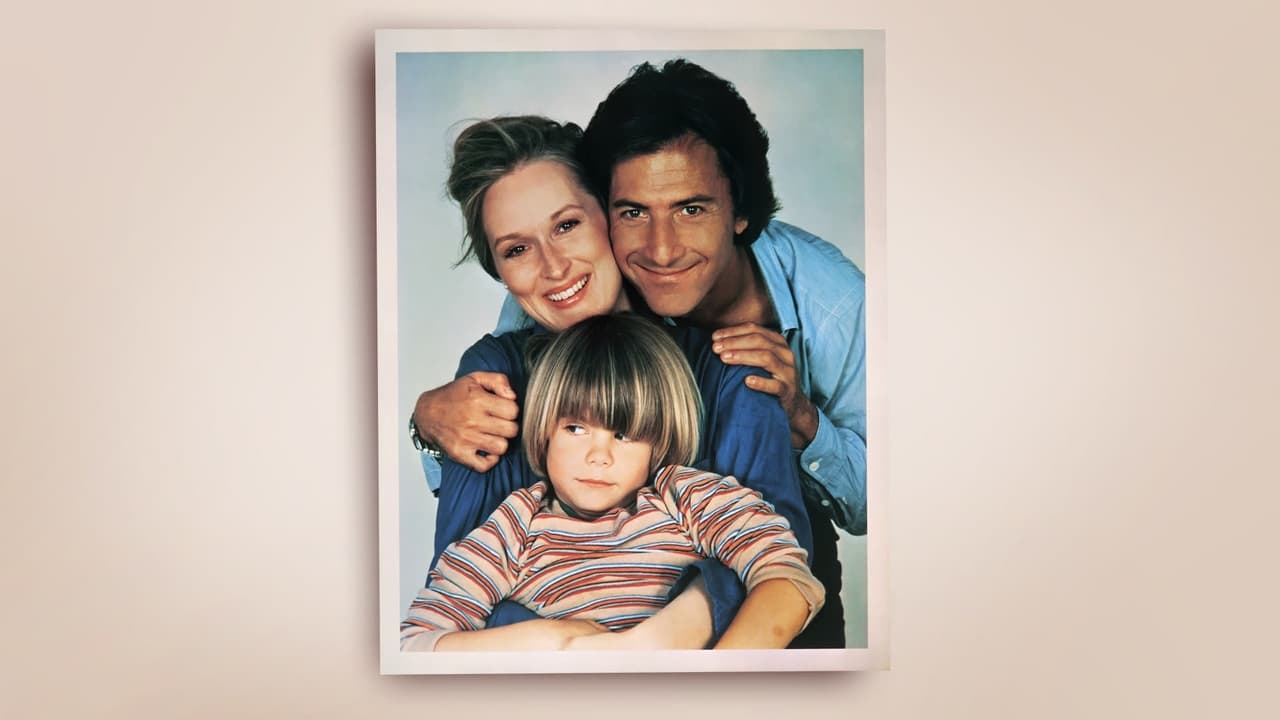
from Kramer vs. Kramer

Written by Robert Benton

Kramer vs. Kramer

Ted comforts his young son, taking full responsibility for his wife's departure and reassuring the boy that he is not to blame for the divorce.

Start a free 7-day trial — 5 downloads a day, unlimited when Pro begins

Rehearse on your terms

Take this monologue into rehearsal and work through it at your own pace.

Scene PreviewExcerpt — subscribe to read full scene

TED

Oh, Christ... Oh, Christ... No, pal. Your mom loves you very much. The reason she left didn't have anything to do with you. Look, I don't know if this will make any sense to you, okay? But I'll try and explain. You see the reason your mom left was because... Well, I guess it was because I kept trying to make her into a certain kind of person... Make…

End of preview. Continue with Pro below.

7 days freeYour next rehearsal starts here

Found your next scene? Make it yours.

Start your free trial and read It Wasn't You in full, with access to 4,000+ monologues and scenes to explore next.

  • Read the full scene and explore the library
  • Download your script in a clean, printable format
  • Take it into rehearsal with the Script Reader
Casting Types
Get Feedback
Coming Soon

Want expert coaching on this scene?

Browse our curated list of acting coaches, dialect specialists, and more.

Find a Coach

Need representation?

Browse verified agents and casting directors in our directory.

Scene Notes & Audition Tips

5 sections
About This Scene

This powerful one-minute monologue from the acclaimed film *Kramer vs. Kramer* features Ted, a father in his 30s, speaking to his young son. In a moment of raw vulnerability, Ted takes full responsibility for his wife's departure, making it unequivocally clear that their child is not to blame for the divorce. It's a deeply emotional confession, born out of guilt and a desperate need to comfort his grieving son. This scene highlights the immediate aftermath of a family crisis, capturing a profound moment of parental sacrifice and honesty.

Character Analysis

Ted is portrayed here as an Everyman grappling with immense personal failure and the devastating impact it has on his child. He is deeply vulnerable, exposed, and riddled with guilt, yet he finds the strength to articulate a painful truth for the sake of his son's emotional well-being. This moment reveals a character who, despite his flaws and past insensitivity, possesses a fundamental capacity for love, self-reflection, and growth. His journey from a self-absorbed husband to a devoted, responsible father begins in earnest with this difficult admission.

Why This Works for Auditions

This monologue is exceptional audition material because it demands a profound emotional journey within a very short timeframe. It offers an actor the chance to display vulnerability, paternal love, regret, and the weight of self-blame, all culminating in a selfless act of reassurance. The internal conflict is palpable, presenting a dynamic arc that showcases an actor's ability to navigate complex emotions and deliver a natural, grounded performance. Its modern-classic appeal and Oscar-winning source material also add significant prestige.

Best Suited For

This monologue is ideally suited for male actors in the 25-35 age range who are looking to portray a dramatic, vulnerable, and deeply human character. It is perfect for drama school auditions, agent showcases, or self-tapes where an actor wants to demonstrate emotional depth and a strong connection to paternal themes. The character's "Everyman" quality makes it relatable, while the "Leading Man" undertones allow for a compelling and memorable performance.

Performance Tips

Focus on the underlying pain and sincerity of Ted's apology, ensuring that his internal struggle is evident even as he tries to maintain composure for his son. The pauses are crucial; allow the weight of his words and the difficulty of his confession to resonate in those moments of silence. Play the intention of protecting his son above all else, letting that drive inform his tone and pacing. Remember that this isn't just an apology to his wife through his son, but a desperate act of love to alleviate his child's perceived guilt.

Explore this topic