Film
monologue
Drama

Mommy of the Heart

from Kramer vs. Kramer

Written by Robert Benton

Kramer vs. Kramer

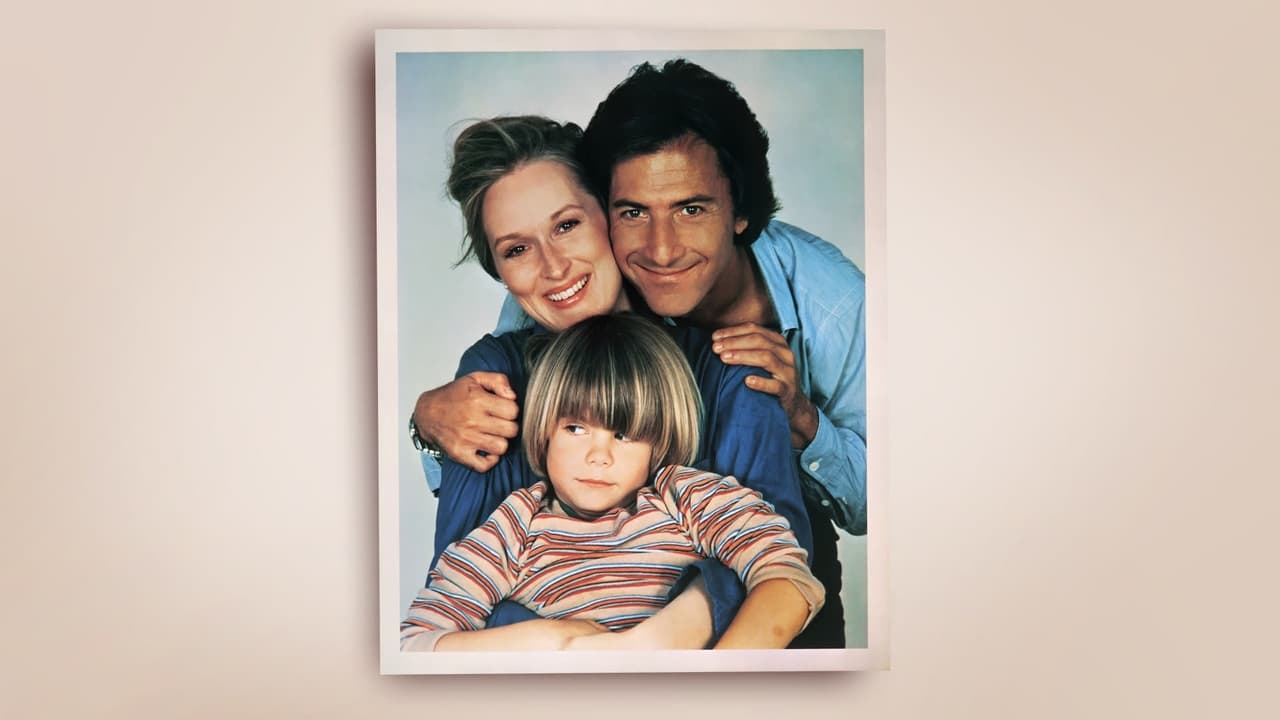
Ted attempts to read a goodbye letter from his estranged wife to their young son, Billy. As Ted struggles to explain her departure with emotional sensitivity, Billy uses the television volume to drown out the painful reality of the situation.

Start a free 7-day trial — 5 downloads a day, unlimited when Pro begins

Rehearse on your terms

Take this monologue into rehearsal and work through it at your own pace.

Scene PreviewExcerpt — subscribe to read full scene

TED

"My dear, sweet Billy: Mommy has gone away. Sometimes in the world daddies go away and mommies bring up their little boys. But sometimes a mommy can go away too, and you have your daddy to bring you up."

End of preview. Continue with Pro below.

7 days freeYour next rehearsal starts here

Found your next scene? Make it yours.

Start your free trial and read Mommy of the Heart in full, with access to 3,000+ monologues and scenes to explore next.

  • Read the full scene and explore the library
  • Download your script in a clean, printable format
  • Take it into rehearsal with the Script Reader
Casting Types
Get Feedback
Coming Soon

Want expert coaching on this scene?

Browse our curated list of acting coaches, dialect specialists, and more.

Find a Coach

Need representation?

Browse verified agents and casting directors in our directory.

Scene Notes & Audition Tips

5 sections
About This Scene

This powerful dramatic monologue features Ted, a father attempting to convey a deeply painful message to his young son, Billy. He reads a letter from his estranged wife explaining her departure, a task made increasingly difficult by Billy's defensive actions with the television volume. This scene captures a moment of raw parental struggle, as Ted tries to shield his child from heartbreak while simultaneously navigating his own profound emotional distress. It’s a poignant exploration of family, abandonment, and the complex, often messy, realities of divorce, all unfolding under immense emotional pressure.

Character Analysis

Ted is presented as an Everyman thrust into an extraordinary and agonizing situation, embodying the role of a Protective Parent grappling with vulnerability. He's trying to be strong and reassuring for his child, even as his own world is crumbling. His increasing volume, desperation, and final, resigned look towards Billy reveal a man pushed to his emotional limits, yet still prioritizing his son's well-being. This scene showcases his deep love, his frustration, and his unwavering commitment, making him a profoundly relatable and sympathetic character despite the challenging circumstances.

Why This Works for Auditions

This monologue is an excellent choice for auditions due to its immediate dramatic impact and clear emotional arc within a short duration. It allows an actor to showcase a wide range of emotions—from tenderness and patience to mounting frustration and profound sadness—without needing a scene partner. The internal conflict of Ted trying to maintain composure while delivering devastating news offers rich material for exploration, making it ideal for self-tapes, agent showcases, or general practice. Its modern-classic appeal and emotional tone resonate strongly, highlighting an actor's ability to handle nuanced dramatic material.

Best Suited For

This scene is particularly well-suited for male actors in the 35-45 age range who excel at portraying vulnerable Leading Men or complex Everyman types. It’s perfect for those who can access deep emotional reservoirs and communicate heartbreak and parental devotion authentically. Actors looking to demonstrate their capacity for subtle, yet powerful, dramatic performance, especially within themes of divorce, fatherhood, or abandonment, will find this a compelling choice. It’s an exceptional piece for showcasing gravitas and emotional depth.

Performance Tips

When approaching this monologue, focus on Ted's attempt to compartmentalize his own pain to protect his son. The increasing volume of the television should genuinely affect your performance, forcing you to escalate your voice and intensity, reflecting Ted's growing desperation. Pay close attention to the subtext of each line, understanding that Ted isn't just reading words but is trying to process and soften a blow for his child. Allow the final beat, where he looks up at Billy, to land with a sense of exhausted resignation and profound, unspoken emotion, showcasing the weight of the situation.

Explore this topic