Film
duologue
Drama

Jim and Ray: A Confession

from Rebel Without a Cause

Written by Stewart Stern

Rebel Without a Cause

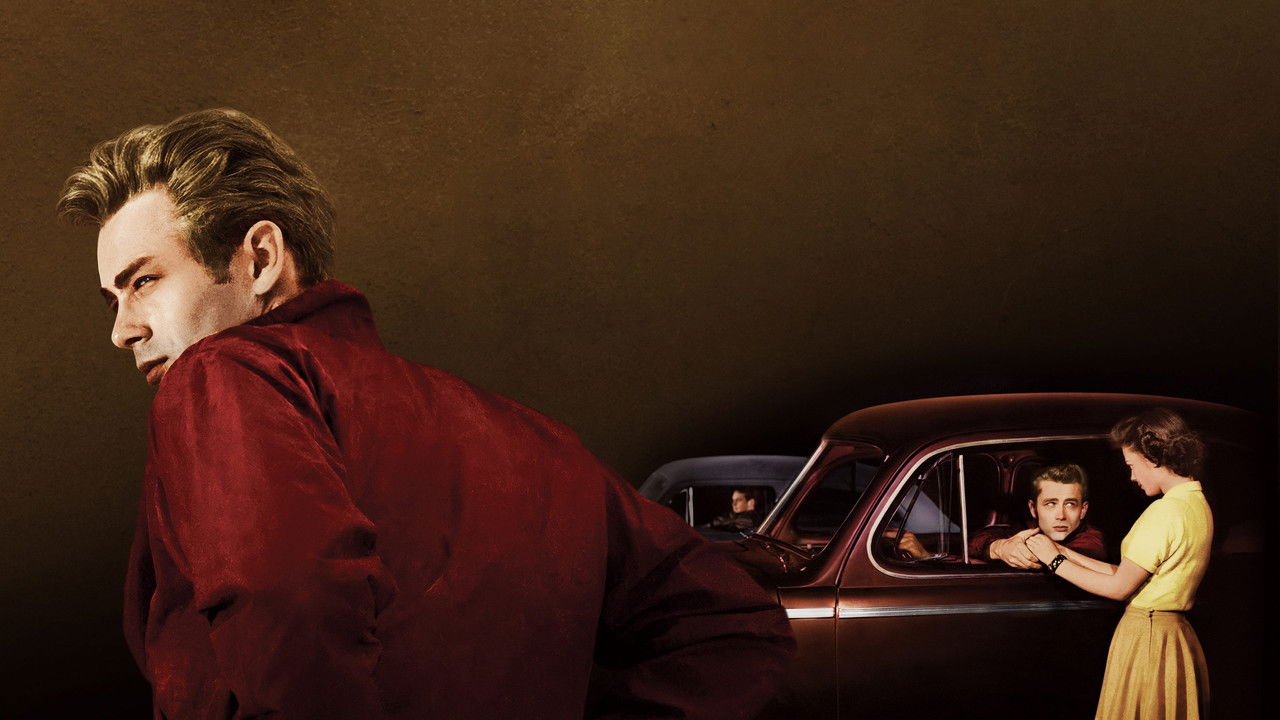
A troubled teenager opens up to a sympathetic police officer about his volatile home life and his struggle to find his place in the world.

Start a free 7-day trial — 5 downloads a day, unlimited when Pro begins

Rehearse this scene
Rehearse on your terms

Choose your role and voices for the other characters. Run the scene at your own pace.

Scene PreviewExcerpt — subscribe to read full scene

RAY

Sure it is. You want to bug us till we have to lock you up. Why?

JIM

Leave me alone.

RAY

No.

JIM

I don't know why--!

RAY

Go on--don't give me that. Someone giving you hard looks?

End of preview. Continue with Pro below.

7 days freeYour next rehearsal starts here

Found your next scene? Make it yours.

Start your free trial and read Jim and Ray: A Confession in full, with access to 4,500+ monologues and scenes to explore next.

  • Read the full scene and explore the library
  • Download your script in a clean, printable format
  • Take it into rehearsal with the Script Reader
Casting Types
Get Feedback
Coming Soon

Want expert coaching on this scene?

Browse our curated list of acting coaches, dialect specialists, and more.

Find a Coach

Need representation?

Browse verified agents and casting directors in our directory.

Scene Notes & Audition Tips

5 sections
About This Scene

This powerful duologue from *Rebel Without a Cause* offers a raw and intimate exploration of a troubled teenager's inner turmoil. In "Jim and Ray: A Confession," Jim, a young man grappling with intense emotions and a volatile home life, finds an unexpected confidant in Ray, a sympathetic police officer. The scene unfolds as Jim, initially defensive, gradually breaks down, revealing his deep-seated frustrations with his parents and his struggle with his own identity and temper. It’s a moment of profound vulnerability where a young soul, feeling misunderstood and adrift, desperately seeks an anchor.

Character Analysis

Jim is a 17-year-old boy teetering on the edge, characterized by a potent mix of anger, confusion, and desperate vulnerability. He projects a tough exterior, but beneath it lies a deep well of pain stemming from his parents' dysfunctional relationship and his father's perceived weakness. He craves understanding and guidance, yet his emotional outbursts often push people away. Ray, in contrast, is an empathetic authority figure in his 30s-40s. He possesses a calm yet firm demeanor, expertly navigating Jim's initial resistance with patience and quiet strength. Ray acts as a non-judgmental mirror, allowing Jim to articulate feelings he might not even fully grasp himself.

Why This Works for Auditions

This scene is exceptional for auditions because it showcases a wide emotional range within a compact timeframe. Actors portraying Jim can demonstrate explosive anger, profound sadness, and a desperate search for connection, making it ideal for displaying dynamic shifts. For actors playing Ray, it offers the chance to embody grounded authority, deep empathy, and skillful listening, proving an ability to create a safe space for another character's emotional unraveling. Its duologue format ensures both performers have significant stage time and the opportunity to engage in compelling, reactive acting.

Best Suited For

This scene is particularly well-suited for actors aiming to demonstrate intense dramatic capability. Given Jim's age and emotional journey, it's perfect for younger male actors (or those who can convincingly play 17) seeking drama school admission, while the role of Ray suits male actors in their 30s-40s looking for material that highlights nuanced character work and strong scene partnership. It is excellent for a self-tape where emotional authenticity is paramount, and its vulnerable tone makes it effective for agent showcases or general practice sessions focused on deep character exploration and reactive listening.

Performance Tips

For Jim, focus on the underlying fear and confusion beneath the anger. Allow the emotional outbursts to build organically, showing the internal struggle before the external explosion. Pay attention to the moments of physical release, like smashing the desk, as genuine expressions of pent-up emotion. For Ray, your strength comes from stillness and active listening. Your empathetic responses and measured delivery are key; resist the urge to over-act. Instead, anchor the scene with a sense of calm authority, creating the necessary environment for Jim's confession to unfold authentically. The scene's vulnerability is its greatest asset, so lean into honest, human reactions.

Explore this topic