Skip to content
    Film
    duologue
    Drama

    John Shows Carol the Wrecking Yard

    from American Graffiti

    Golden Globe

    Written by George Lucas and Gloria Katz & Willard Huyck

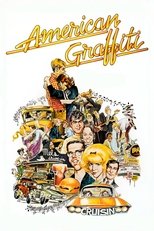
    American Graffiti

    2 min · 2 characters · Any gender · 18-25

    John reflects on the fatal history of local street racing while Carol tries to flirt with him, leading to a playful power struggle over his car keys.

    Start a free 7-day trial — 5 downloads a day, unlimited when Pro begins

    Rehearse this scene
    Rehearse on your terms

    Choose your role and voices for the other characters. Run the scene at your own pace.

    Scene PreviewExcerpt — subscribe to read full scene

    JOHN

    That's Freddy Benson's Vette... he got his head on with some drunk. Never had a chance. Damn good driver, too. What a waste when somebody gets it and it ain't even their fault.

    CAROL

    Needs a paint job, that's for sure.

    JOHN

    That Vette over there. Walt Hawkins, a real ding-a-ling. Wrapped it around a fig tree out on Mesa Vista with five kids in it.…

    End of preview. Continue with Pro below.

    7 days freeYour next rehearsal starts here

    Found your next scene? Make it yours.

    Start your free trial and read John Shows Carol the Wrecking Yard in full, with access to 7,500+ monologues and scenes to explore next.

    • Read the full scene and explore the library
    • Download your script in a clean, printable format
    • Take it into rehearsal with the Script Reader
    Casting Types
    Get Feedback
    Coming Soon

    Want expert coaching on this scene?

    Browse our curated list of acting coaches, dialect specialists, and more.

    Find a Coach

    Need representation?

    Browse verified agents and casting directors in our directory.

    Scene Notes & Audition Tips

    5 sections
    About This Scene

    Written by George Lucas and Gloria Katz & Willard Huyck for the film American Graffiti, this two-minute dramatic duologue takes place inside an automobile wrecking yard at night. John leads Carol through the rows of crushed, burned-out vehicles, recounting the fatal histories of local street racers who crashed before him. While Carol attempts to flirt and lighten the heavy atmosphere, John grapples with his own proximity to disaster, creating an engaging tension between youthful bravado and quiet vulnerability.

    Character Analysis

    John represents the classic working-class rebel whose pride as an undefeated racer masks an uneasy awareness of his own mortality. Walking among the destroyed cars, he speaks with somber reverence about the drivers who met violent ends, revealing the emotional weight behind his reckless reputation. Carol acts as his observational foil, balancing youthful curiosity with playful flirtation. She uses humor and validation to break through his hardened exterior, deliberately steering him away from his fixation on death and back into the romantic present.

    Why This Works for Auditions

    This scene offers two distinct acting challenges that translate exceptionally well to camera and showcase work. John is given a layered storytelling arc that requires the actor to ground vivid accounts of vehicular tragedy in genuine personal stakes rather than casual exposition. For Carol, the material demands strong active listening and subtextual maneuvering, challenging the actor to use charm, deflection, and subtle reassurance without minimizing the darker undertones of the dialogue.

    Best Suited For

    Tailored for performers in the 18 to 25 age bracket, this piece is an ideal fit for actors pursuing Leading Man, Ingenue, Rebel, or Working Class casting types. Its compact running time and naturalistic rhythm make it highly suitable for self-tapes, agent showcases, and general scene study. The intimate, two-hander dynamic also allows actors to demonstrate nuanced screen chemistry with minimal staging requirements.

    Performance Tips

    Actors playing John should avoid treating his recollections as boastful trivia or detached gossip. Let the grim imagery of the surroundings slow your tempo, showing that every destroyed car serves as a reminder of how close you have come to the same fate. For Carol, ground your lighthearted interruptions in an active effort to connect with John rather than mere indifference to his stories. Keep the physical interaction subtle and responsive, letting the shifting power dynamic between John's moodiness and Carol's warmth guide the rhythm of the scene.

    No ratings yet
    Sign in to rate