
Film
monologue
Drama
Thriller

Kill or Cure

from This Boy’s Life

Written by Robert Getchell

This Boy’s Life

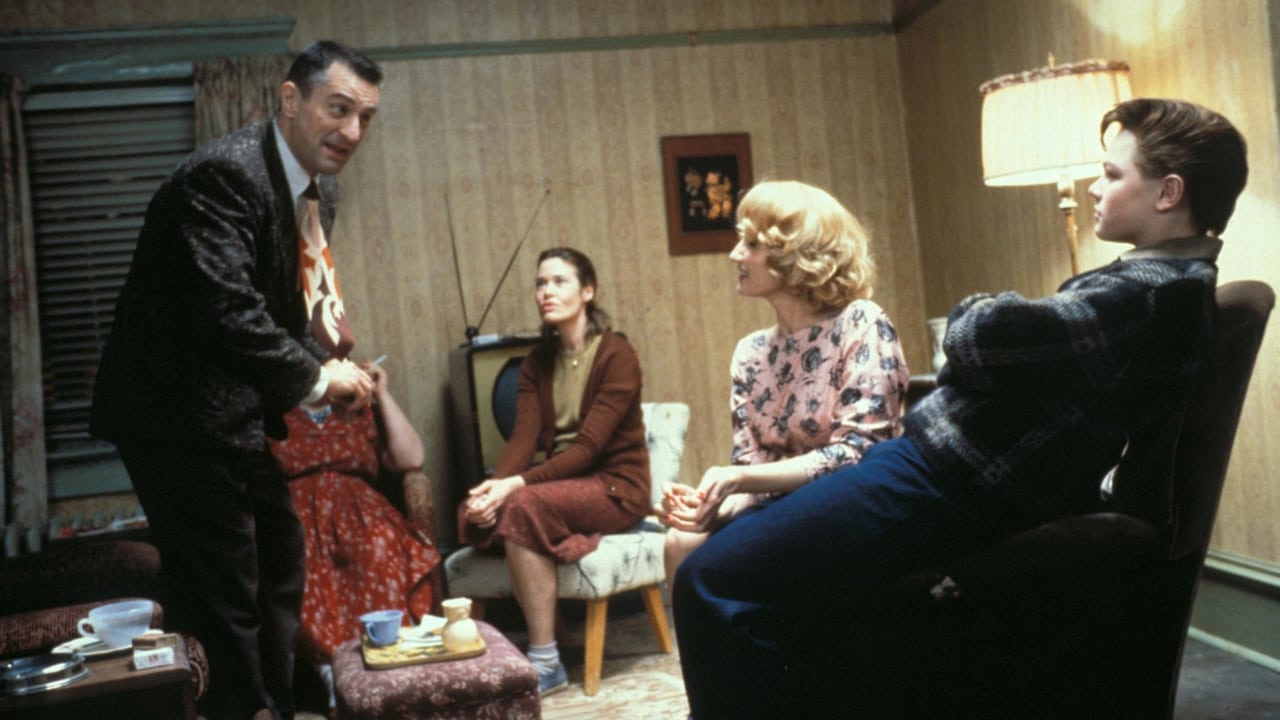
Dwight intimidates his new stepson, claiming the boy's mother has given up on him and asserting his dominance through threats of discipline.

Start a free 7-day trial — 5 downloads a day, unlimited when Pro begins

Rehearse on your terms

Take this monologue into rehearsal and work through it at your own pace.

Scene PreviewExcerpt — subscribe to read full scene

DWIGHT

... 'cause I don't believe that crap, you know? I believe there is such a thing as a bad boy -- bad clear through. And it's gonna be my job to turn you around, to kill or cure. Kill. Or. Cure. Understand? And I'm up to the job, oh yes, believe me, hotshot, I am ready, willing and able to take you on -- you and that jibagoo music you like to sing.…

End of preview. Continue with Pro below.

7 days freeYour next rehearsal starts here

Found your next scene? Make it yours.

Start your free trial and read Kill or Cure in full, with access to 3,000+ monologues and scenes to explore next.

  • Read the full scene and explore the library
  • Download your script in a clean, printable format
  • Take it into rehearsal with the Script Reader
Casting Types
Get Feedback
Coming Soon

Want expert coaching on this scene?

Browse our curated list of acting coaches, dialect specialists, and more.

Find a Coach

Need representation?

Browse verified agents and casting directors in our directory.

Scene Notes & Audition Tips

5 sections
About This Scene

This intense monologue from the film *This Boy's Life* features the character Dwight, a man asserting his dominance over his new stepson. It's a powerful moment of intimidation and psychological manipulation, where Dwight makes it clear that he views the boy as "bad clear through" and intends to "kill or cure" him. The scene is a masterclass in toxic masculinity, revealing a character who relishes control and uses verbal threats to establish his authority within the new family dynamic.

Character Analysis

Dwight is presented as a formidable and menacing figure, embodying the archetypes of the Villain, Authority Figure, and Patriarch. His dialogue reveals a deeply manipulative individual who thrives on intimidation and disempowering others. He is a character driven by a need for absolute control, twisting perceptions and isolating his victim by claiming the boy's own mother has abandoned him. Understanding Dwight requires tapping into a chilling sense of self-righteousness and a profound lack of empathy, portraying him not just as angry but as deliberately cruel and calculating.

Why This Works for Auditions

This monologue is an excellent choice for auditions due to its raw emotional intensity and the clear arc of intimidation it presents. It offers actors a rich opportunity to showcase a wide range of dramatic skills, from menacing stillness to controlled aggression, without needing a scene partner. The scene's clear objective – to assert dominance and instill fear – allows for a focused and impactful performance, making it highly suitable for self-tapes and drama school auditions where strong character choices are valued.

Best Suited For

This monologue is perfectly suited for male actors aged 35-45 looking for material that demonstrates a powerful, intense, and gritty performance. It is ideal for those aiming for roles that require a strong sense of authority, a villainous edge, or a portrayal of complex, toxic masculinity. Actors preparing for drama-school-auditions, agent-showcases, or creating self-tapes for roles such as a demanding father figure, an intimidating boss, or any character exhibiting controlling behavior will find this piece highly effective.

Performance Tips

When approaching Dwight's monologue, focus on the subtext of absolute control and the pleasure he takes in his power. Instead of playing pure anger, explore the calculated nature of his threats and the psychological games he employs. Utilize pauses to build tension and allow the weight of his words to land, emphasizing the "kill or cure" mentality. Consider how Dwight uses his body language to convey an unshakeable presence and an air of inevitability, creating a truly unsettling and memorable performance that highlights the character's manipulative and domineering traits.

Explore this topic