Film
group
Drama

The Chocolate Covered Cherries

from This Boy’s Life

Written by Robert Getchell

This Boy’s Life

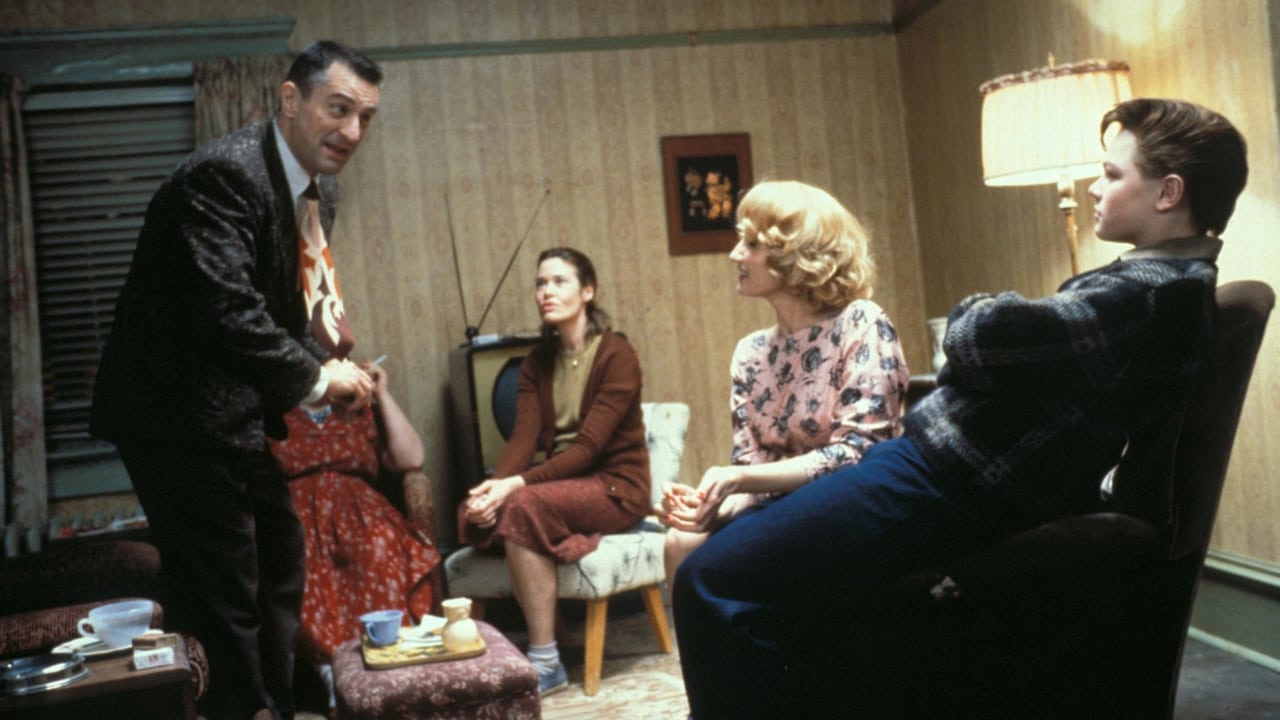
Dwight aggressively berates his stepson Toby over stolen candy and laziness, asserting dominance while Toby's mother remains silent.

Start a free 7-day trial — 5 downloads a day, unlimited when Pro begins

Rehearse this scene
Rehearse on your terms

Choose your role and voices for the other characters. Run the scene at your own pace.

Scene PreviewExcerpt — subscribe to read full scene

TOBY

I'm telling you I didn't.

DWIGHT

And I know damn well you did.

TOBY

Well, you're wrong.

DWIGHT

About some things, yeah. Not about this. You're a goddam hog, and I proved it.

TOBY

How do you know Skipper didn't eat it? Or Norma? Or Pearl?
End of preview. Continue with Pro below.

7 days freeYour next rehearsal starts here

Found your next scene? Make it yours.

Start your free trial and read The Chocolate Covered Cherries in full, with access to 3,000+ monologues and scenes to explore next.

  • Read the full scene and explore the library
  • Download your script in a clean, printable format
  • Take it into rehearsal with the Script Reader
Casting Types
Get Feedback
Coming Soon

Want expert coaching on this scene?

Browse our curated list of acting coaches, dialect specialists, and more.

Find a Coach

Need representation?

Browse verified agents and casting directors in our directory.

Scene Notes & Audition Tips

5 sections
About This Scene

This intense two-person drama from "This Boy's Life" features a harrowing confrontation between Toby, a rebellious teenager, and Dwight, his domineering stepfather. The scene centers on Dwight’s aggressive interrogation of Toby over stolen candy, rapidly escalating into a broader attack on Toby's character and perceived laziness. This powerful exchange brilliantly showcases themes of family tension, abuse, and the stark power imbalance within a troubled household, made even more poignant by the silent presence of Toby’s mother.

Character Analysis

Toby, portrayed here at 13-16 years old, is a defiant and intelligent young man trapped in an oppressive home environment. He attempts to defend himself against Dwight's accusations, but his youth and vulnerability are palpable against the stepfather's relentless aggression. Dwight, in his 40s-50s, embodies the archetype of a controlling patriarch, exhibiting clear villainous tendencies as he systematically dismantles Toby’s self-worth, asserting absolute dominance. His actions reveal a deep-seated need for control and a cruel enjoyment of belittling others, especially those he perceives as weak or subordinate.

Why This Works for Auditions

This scene is an exceptional choice for auditions due to its raw emotional intensity and the clear, dynamic arc of conflict between the two characters. It provides ample opportunity for both actors to showcase significant emotional range, from Toby’s frustrated rebellion to Dwight’s calculated, escalating cruelty. The clear power dynamics and the underlying tension created by the mother's silence offer rich subtext for performers to explore, making it a compelling piece for demonstrating nuanced dramatic acting.

Best Suited For

"The Chocolate Covered Cherries" is particularly well-suited for male actors in the specified age ranges aiming for drama school auditions, agent showcases, or self-tapes. It effectively demonstrates an actor's ability to navigate complex emotional landscapes, portray vulnerability or menace, and sustain an intense dramatic moment. This scene is ideal for actors seeking roles that require depth in character portrayal, especially those exploring themes of victimhood, control, and familial discord.

Performance Tips

For Toby, focus on the subtle shifts from defensive frustration to simmering resentment and desperation; your internal life should be active even when your lines are short. For Dwight, lean into the character’s calculated cruelty and the satisfaction he derives from Toby’s discomfort, ensuring your performance is menacing but grounded, not just loud. Both actors should pay close attention to the rhythm and pacing of the dialogue, using pauses and vocal dynamics to build the scene's overwhelming tension and underscore the escalating conflict.

Explore this topic