Film
group
drama

Leader — I told you! I knew they did it

from Being Human

Written by Bill Forsyth

Being Human

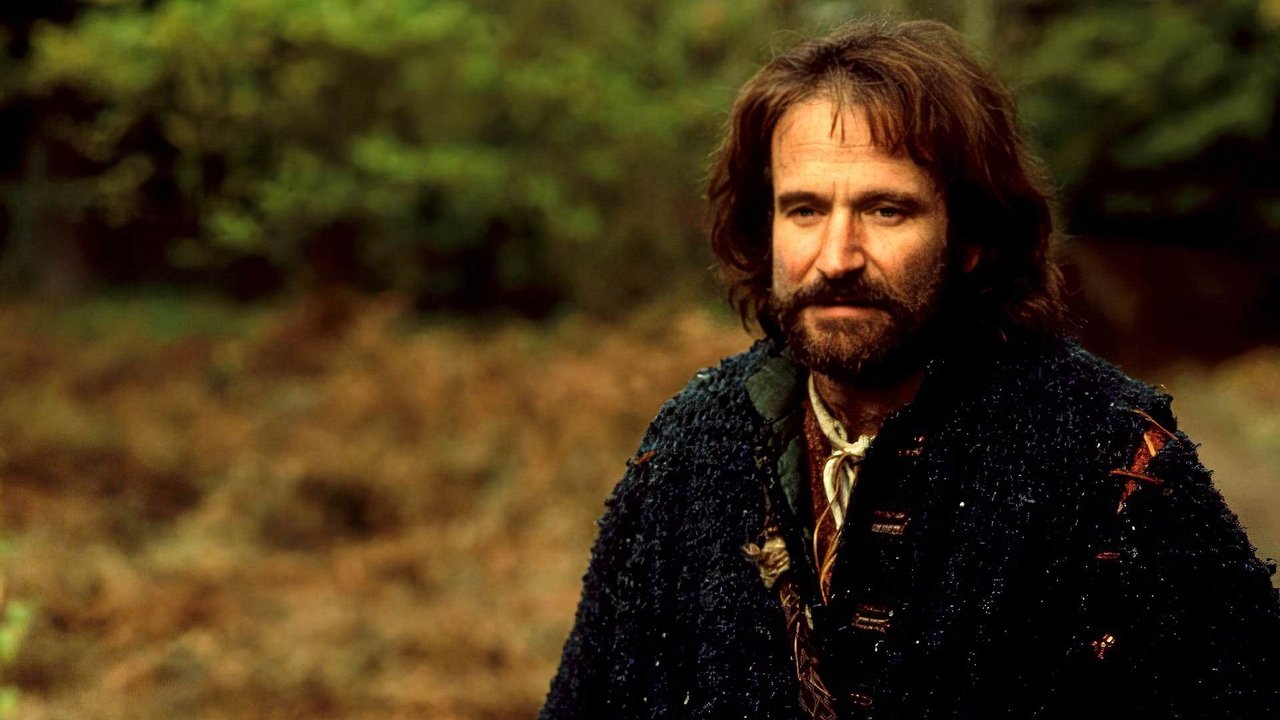
A tribal leader and a priest debate the necessity of a human sacrifice to ensure a successful voyage. The leader ultimately chooses a symbolic gesture over violence, sparing Hector's life despite the priest's insistence on tradition.

Start a free 7-day trial — 5 downloads a day, unlimited when Pro begins

Rehearse this scene
Rehearse on your terms

Choose your role and voices for the other characters. Run the scene at your own pace.

Scene PreviewExcerpt — subscribe to read full scene

PRIEST

I told you! I knew they did it around here! Ask him...

LEADER

What do we do? Do we throw you over, is that the idea?

PRIEST

I tell you, it's one man, one stone. It'll help the voyage.

LEADER

What's it got to do with the sun?

PRIEST

I don't know, yet.

End of preview. Continue with Pro below.

7 days freeYour next rehearsal starts here

Found your next scene? Make it yours.

Start your free trial and read Leader — I told you! I knew they did it in full, with access to 1,000+ monologues and scenes to explore next.

  • Read the full scene and explore the library
  • Download your script in a clean, printable format
  • Take it into rehearsal with the Script Reader
Casting Types
Get Feedback
Coming Soon

Want expert coaching on this scene?

Browse our curated list of acting coaches, dialect specialists, and more.

Find a Coach

Need representation?

Browse verified agents and casting directors in our directory.

Scene Notes & Audition Tips

5 sections
About This Scene

This compelling drama scene, "Leader — I told you! I knew they did it" from the film *Being Human*, thrusts actors into a high-stakes ethical dilemma. Set in a contemporary period with a philosophical, questioning, and ritualistic tone, it features a tribal Leader, a Priest, and the silent Hector. The core conflict revolves around a proposed human sacrifice, debated by the Leader and Priest, with the Leader ultimately making a profound decision that challenges tradition and superstition. This scene offers rich emotional and intellectual material for actors to explore leadership, mercy, and the weight of community belief.

Character Analysis

The Leader is a pivotal figure grappling with the responsibilities of his position and the welfare of his people. He represents a modern sensibility clashing with ancient customs, demonstrating a capacity for reasoned thought and compassion despite immense pressure. The Priest embodies entrenched tradition and unwavering belief in ritual, driven by a desire to ensure a successful voyage through prescribed actions. Hector, though silent, is the catalyst for the conflict, embodying innocence and vulnerability, and his presence silently amplifies the moral stakes.

Why This Works for Auditions

This scene is exceptional for auditions because it showcases an actor's ability to navigate complex ethical territory and portray nuanced emotional shifts. It provides clear objectives for both the Leader and the Priest, allowing actors to demonstrate strong decision-making and persuasive abilities. The escalating tension and philosophical undertones offer opportunities for deep character work, making it perfect for actors who want to display their range beyond simple emotional responses. The dialogue is direct yet laden with subtext, demanding thoughtful delivery and strong listening skills.

Best Suited For

This scene is particularly well-suited for adult male actors, especially those comfortable portraying authority figures, character actors, or everyman roles. It's an excellent choice for general-practice, self-tape submissions, and agent showcases. The themes of leadership, mercy, and challenging societal norms make it ideal for actors who can convey gravitas, moral conviction, and a capacity for deep thought. The nuanced dynamic between the characters also makes it suitable for actors looking to explore complex interpersonal relationships.

Performance Tips

For the Leader, focus on conveying the internal struggle between duty and compassion. Your reasoning tone with Hector should establish a clear contrast to the Priest's insistence, highlighting your character's humanity. For the Priest, lean into the conviction and ritualistic mindset, ensuring your arguments feel genuinely rooted in belief rather than malice. Pay close attention to the subtext of superstition and the weight of tradition. Both actors should commit to the philosophical debate, allowing the high stakes of the decision to inform every line and action.

Explore this topic