
Film
group
drama

A black hole at the beginning of Time

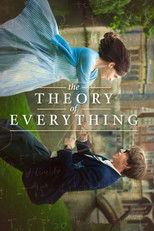
from The Theory of Everything

Written by Anthony McCarten

The Theory of Everything

Stephen Hawking stands before his doctoral examiners to defend his thesis. After a tense critique of his early chapters, the professors reveal they are astounded by his brilliant theory regarding black holes and the beginning of time, officially conferring his doctorate.

Start a free 7-day trial — 5 downloads a day, unlimited when Pro begins

Rehearse this scene
Rehearse on your terms

Choose your role and voices for the other characters. Run the scene at your own pace.

Scene PreviewExcerpt — subscribe to read full scene

SCIAMA

Come in Stephen.

SCIAMA

How are you?

STEPHEN

Fine.

SCIAMA

Would you like to sit down?

STEPHEN

No thankyou.
End of preview. Continue with Pro below.

7 days freeYour next rehearsal starts here

Found your next scene? Make it yours.

Start your free trial and read A black hole at the beginning of Time in full, with access to 3,000+ monologues and scenes to explore next.

  • Read the full scene and explore the library
  • Download your script in a clean, printable format
  • Take it into rehearsal with the Script Reader
Casting Types
Get Feedback
Coming Soon

Want expert coaching on this scene?

Browse our curated list of acting coaches, dialect specialists, and more.

Find a Coach

Need representation?

Browse verified agents and casting directors in our directory.

Scene Notes & Audition Tips

5 sections
About This Scene

This pivotal scene, drawn from the Oscar-winning film *The Theory of Everything*, captures a monumental moment in Stephen Hawking's life: the defense of his doctoral thesis. It features a high-stakes encounter where Stephen faces his examiners, Sciama, Kip Thorne, and Penrose, who initially offer harsh critiques of his work. The tension builds intensely as Stephen, already struggling with his health, awaits their final verdict on his most revolutionary chapter, ultimately leading to a triumphant and deeply emotional conferring of his doctorate.

Character Analysis

Stephen, as portrayed here, is a brilliant and resilient young man, navigating both intellectual challenges and significant physical deterioration. His journey in this scene showcases vulnerability, anxiety, and ultimately, profound relief and quiet triumph. The examiners – Sciama, Kip Thorne, and Penrose – embody the gravitas of academia and serve as formidable intellectual gatekeepers, transitioning from stern critics to awestruck colleagues who recognize groundbreaking genius. Each character presents an opportunity to explore intelligence, authority, and the nuanced dynamics of intellectual discourse.

Why This Works for Auditions

This scene offers a compelling blend of intellectual drama and deeply personal stakes, making it highly effective for auditions. Actors can showcase a wide emotional range, moving from intense vulnerability and trepidation to palpable relief and understated pride. The dialogue is sharp, intelligent, and rich with subtext, allowing performers to demonstrate strong verbal delivery alongside nuanced non-verbal communication. Its contemporary period and the clear character arcs within the short duration make it a powerful choice for showcasing dramatic capabilities and intellectual depth.

Best Suited For

This scene is particularly well-suited for male actors in their 20s to 60s who can convincingly portray high-intellect individuals. It's an excellent choice for those aiming for "Leading Man," "Mentor," "Authority Figure," or "Scientist" casting types. The dynamic between Stephen and his examiners makes it ideal for showcasing a character's journey from adversity to triumph, appealing to actors who wish to demonstrate emotional resilience and intellectual command. It works exceptionally well for agent showcases, self-tapes, and general practice for its contained intensity and clear objective.

Performance Tips

When approaching Stephen, focus on conveying his inner struggle and unwavering intellect despite his physical challenges; his silence and reactions are as important as his few lines. For Sciama, Kip Thorne, and Penrose, embody a professional detachment that slowly gives way to genuine admiration and awe, emphasizing their authority and intellectual rigor. Pay close attention to the rising tension and the moment of revelation, ensuring that the shift from critique to praise feels earned and impactful. The scene's intellectual triumph relies on delivering the technical language with conviction and understanding the emotional weight behind the academic discourse.

Explore this topic