Skip to content
    Tv
    group
    Drama

    Leaving Flea Bottom

    from A Knight of the Seven Kingdoms

    Written by Hiram Martinez, Ti Mikkel

    A Knight of the Seven Kingdoms

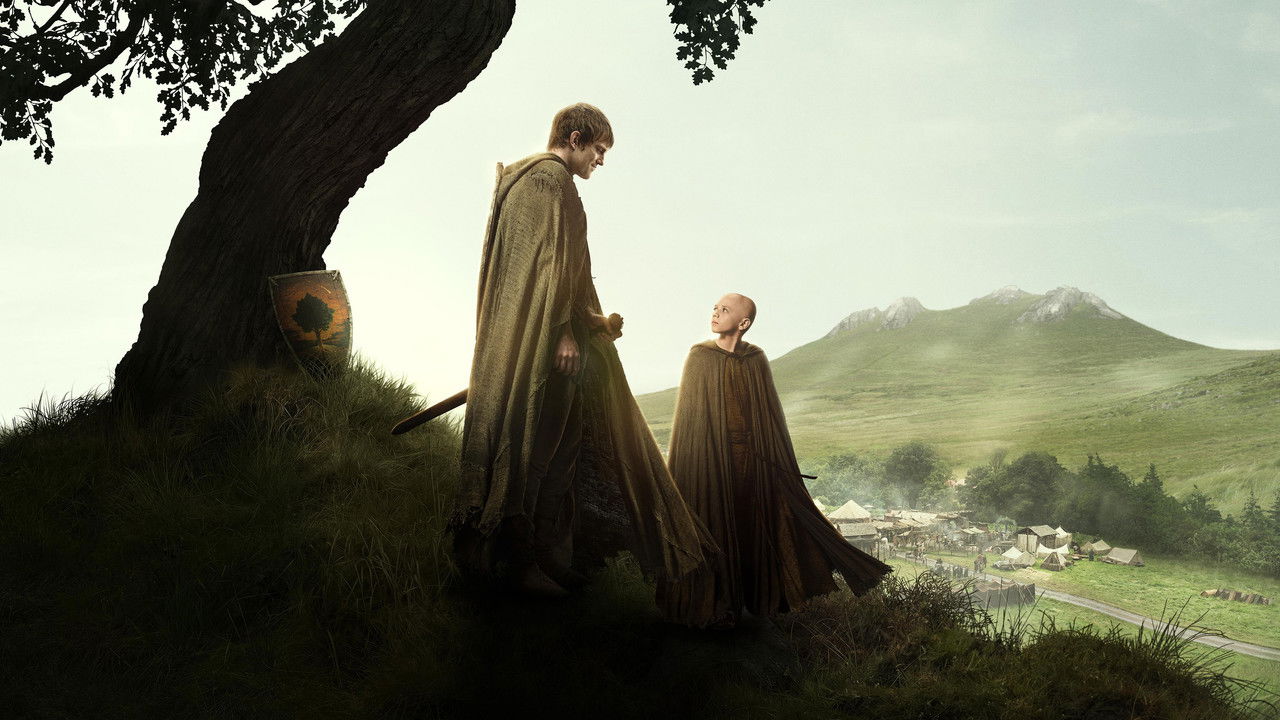
    Two young orphans discuss their fears and hopes for the future as they prepare to flee their impoverished life for the Free Cities.

    Start a free 7-day trial — 5 downloads a day, unlimited when Pro begins

    Rehearse this scene
    Rehearse on your terms

    Choose your role and voices for the other characters. Run the scene at your own pace.

    Scene PreviewExcerpt — subscribe to read full scene

    YOUNG DUNK

    How much did we get?

    YOUNG DUNK

    Is it enough?

    RAFE

    It’s enough.

    RAFE

    Don’t lose your nerve, now. The shit part’s done.

    YOUNG DUNK

    I know...

    End of preview. Continue with Pro below.

    7 days freeYour next rehearsal starts here

    Found your next scene? Make it yours.

    Start your free trial and read Leaving Flea Bottom in full, with access to 6,000+ monologues and scenes to explore next.

    • Read the full scene and explore the library
    • Download your script in a clean, printable format
    • Take it into rehearsal with the Script Reader
    Casting Types
    Get Feedback
    Coming Soon

    Want expert coaching on this scene?

    Browse our curated list of acting coaches, dialect specialists, and more.

    Find a Coach

    Need representation?

    Browse verified agents and casting directors in our directory.

    Scene Notes & Audition Tips

    5 sections
    About This Scene

    Two young orphans, Young Dunk and Rafe, prepare to escape their impoverished reality for the Free Cities. Huddled close in their cramped shelter over their gathered coin, their conversation quickly shifts from the logistics of departure to deep-seated anxieties about survival, abandoned hopes, and the fear of stepping into the unknown.

    Character Analysis

    Twelve-year-old Young Dunk carries the raw vulnerability of a child clinging to impossible dreams amidst harsh street life. While he yearns to escape his poverty, his deep grief over his absent mother reveals a tender boy struggling to let go of lingering hopes. Rafe, at seventeen, serves as both protector and realist, masking her own fears behind tough, exasperated pragmatism. Her aggressive honesty stems from hard-learned necessity, forcing Dunk to confront their stark reality even as she carries the burden of keeping them both moving forward.

    Why This Works for Auditions

    This scene offers dynamic emotional contrast between fragile youth and hardened survival instincts. Actors portraying Young Dunk can showcase immense vulnerability, shame, and genuine innocence without falling into melodrama. For performers auditioning as Rafe, the piece provides a rich opportunity to balance an abrasive exterior with underlying care and responsibility. It moves far beyond standard adolescent conflict, anchoring intense relationship stakes within a small, quiet, and high-pressure moment.

    Best Suited For

    This dramatic dialogue is ideal for younger actors and teenagers looking to build compelling self-tapes or reel material that demands emotional maturity. It serves casting types that lean into working class, outsider, tough, and vulnerable youth profiles. It also functions exceptionally well for drama school auditions and general scene study practice focusing on intimate, character-driven storytelling.

    Performance Tips

    Maintain the physical intimacy of the cramped setting, letting the low light and close proximity dictate your vocal levels and physical stillness. Resist the urge to push the conflict into a shouting match, as the true power of the exchange lies in quiet grief and sudden defensive reactions. The actor playing Young Dunk should allow the shame of being called childish to register physically and emotionally. The actor playing Rafe must ensure her harsh words carry the weight of someone terrified of seeing her partner lose his resolve. Keep your objectives focused on what you desperately need from the other person to survive the journey ahead.

    No ratings yet
    Sign in to rate