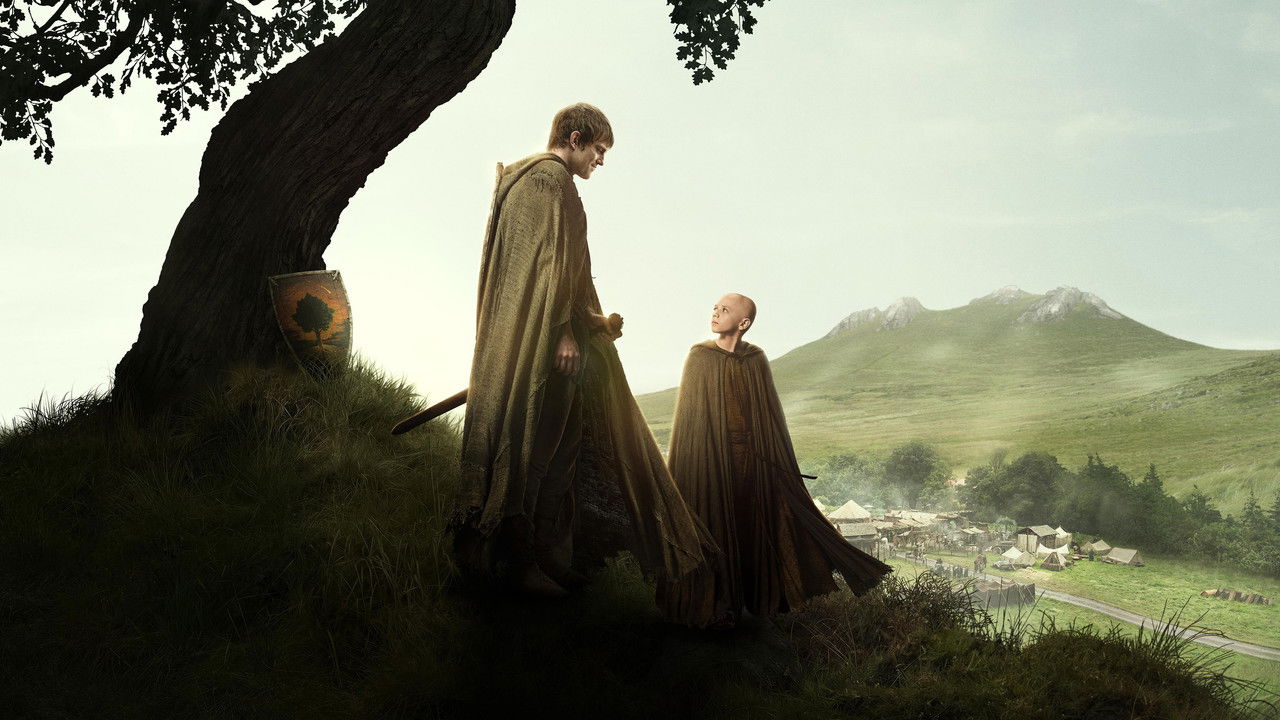
Tv
group
Drama

You got quick hands, girl.

from A Knight of the Seven Kingdoms

Written by Hiram Martinez, Ti Mikkel

A Knight of the Seven Kingdoms

Alester confronts a group of young street urchins over a stolen aleskin and the silver they have scavenged from dead nobles.

Start a free 7-day trial — 5 downloads a day, unlimited when Pro begins

Rehearse this scene
Rehearse on your terms

Choose your role and voices for the other characters. Run the scene at your own pace.

Scene PreviewExcerpt — subscribe to read full scene

ALESTER

You got quick hands, girl.

ALESTER

I used to have quick hands, too.

ALESTER

I’ll have my aleskin back.

RAFE

I sold it.

ALESTER

Holding out on us?
End of preview. Continue with Pro below.

7 days freeYour next rehearsal starts here

Found your next scene? Make it yours.

Start your free trial and read You got quick hands, girl. in full, with access to 4,500+ monologues and scenes to explore next.

  • Read the full scene and explore the library
  • Download your script in a clean, printable format
  • Take it into rehearsal with the Script Reader
Casting Types
Get Feedback
Coming Soon

Want expert coaching on this scene?

Browse our curated list of acting coaches, dialect specialists, and more.

Find a Coach

Need representation?

Browse verified agents and casting directors in our directory.

Scene Notes & Audition Tips

5 sections
About This Scene

This powerful dramatic scene, taken from "A Knight of the Seven Kingdoms," plunges actors into a high-stakes confrontation born of poverty and desperation. It features Alester, a seasoned figure, cornering two young street dwellers, Rafe and Young Dunk, over a stolen aleskin and scavenged silver. The tension escalates quickly as Alester asserts their authority, revealing a chilling pragmatism about survival and justice in a harsh world. This short group scene offers a dynamic interplay of power, fear, and defiant resilience, creating a compelling narrative in a tight timeframe.

Character Analysis

Alester is presented as a formidable figure in their 40s, embodying a tough, working-class grit and potentially a villainous streak. Their missing hand hints at a past life of "quick hands" and survival, giving them a cold, unforgiving understanding of the world. Rafe, a 17-year-old, displays a mix of cunning and desperation, attempting to navigate a dangerous situation with limited options, ultimately showing a fiery, defiant spirit. Young Dunk, around 12, is initially fearful but finds a voice to challenge authority, revealing a burgeoning sense of injustice and courage.

Why This Works for Auditions

This scene is an excellent choice for auditions because it provides rich emotional arcs and clear power dynamics within a short duration. The palpable tension and sharp dialogue allow actors to demonstrate a wide range of emotions—from intimidation and fear to defiance and anger—without needing extensive context. Its group format also offers opportunities for strong reactions and active listening, showcasing an actor's ability to engage with scene partners and adapt to changing circumstances. The contemporary period setting, despite the medieval tags referencing the source material, means the core human emotions and power struggles are universally relatable and accessible.

Best Suited For

This scene is particularly well-suited for actors aiming for roles that require a tough, gritty, or working-class portrayal. Alester's role is ideal for actors in the 35-45 age range who can embody commanding presence, even with a nuanced sense of a difficult past. The parts of Rafe and Young Dunk are perfect for teenagers or young actors who can convincingly portray defiance, vulnerability, and street smarts under pressure. It's a strong choice for self-tapes and general practice, allowing actors to explore powerful confrontations and complex character motivations.

Performance Tips

When performing this scene, Alester should lean into their cold pragmatism and the quiet threat of their authority, using their missing hand as a subtle but powerful visual cue of their past. Rafe should focus on the internal conflict between fear and their inherent defiance, letting their anger simmer beneath the surface until it explodes. Young Dunk's arc moves from dread to a burst of indignant courage, so building that emotional journey organically is key. All actors should pay close attention to active listening and reaction shots, as the unspoken moments are as crucial as the dialogue in conveying the scene's high stakes and emotional depth.

Explore this topic