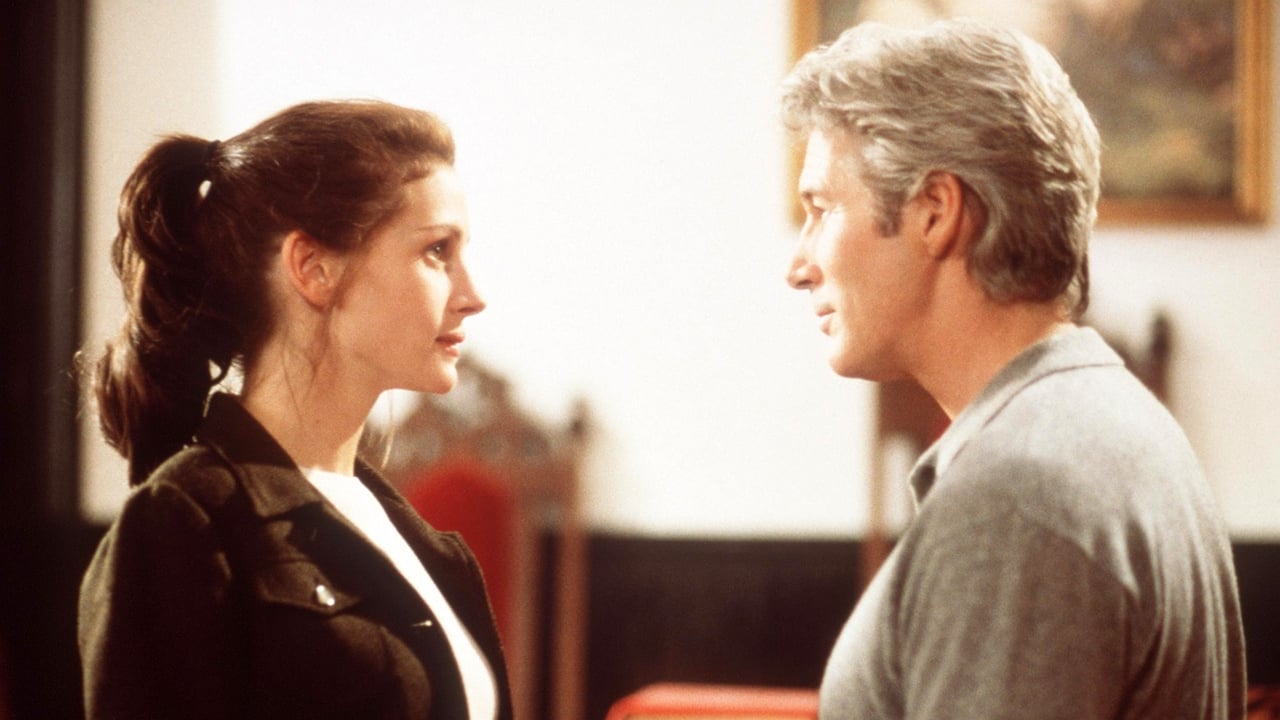
Film
monologue
Comedy-Drama
Romance

Maggie's Letter to the Editor

from Runaway Bride

Written by Josann McGibbon, Sara Parriott

Runaway Bride

Maggie writes a scathing letter to a columnist, defending her reputation against his slanderous claims that she abandons men for sport.

Start a free 7-day trial — 5 downloads a day, unlimited when Pro begins

Rehearse on your terms

Take this monologue into rehearsal and work through it at your own pace.

Scene PreviewExcerpt — subscribe to read full scene

MAGGIE

"Greeting from the sticks! Perhaps you believe that a rural education is focused mainly on hog calling and tractor maintenance rather than reading. Why else would you print a piece of fiction about me and call it fact?"

End of preview. Continue with Pro below.

7 days freeYour next rehearsal starts here

Found your next scene? Make it yours.

Start your free trial and read Maggie's Letter to the Editor in full, with access to 4,000+ monologues and scenes to explore next.

  • Read the full scene and explore the library
  • Download your script in a clean, printable format
  • Take it into rehearsal with the Script Reader
Casting Types
Get Feedback
Coming Soon

Want expert coaching on this scene?

Browse our curated list of acting coaches, dialect specialists, and more.

Find a Coach

Need representation?

Browse verified agents and casting directors in our directory.

Scene Notes & Audition Tips

5 sections
About This Scene

This monologue, titled "Maggie's Letter to the Editor" from the film *Runaway Bride*, offers a fantastic opportunity for an actress to delve into a character's passionate defense of her reputation. Maggie is directly addressing a journalist who has published a highly critical and inaccurate piece about her, forcing her to confront widespread public perception. The scene captures Maggie's internal fire as she refutes slanderous claims, revealing her frustration and resilience in the face of unfair judgment.

Character Analysis

Maggie, as portrayed in this monologue, is a woman of considerable spirit and intelligence who is tired of being misrepresented. She is not merely angry; she is articulate, using wit and sarcasm to undermine her accuser's authority while subtly highlighting his professional failings. Her underlying vulnerability, stemming from the personal attacks on her character, fuels her powerful, yet controlled, response. This monologue reveals a character who is capable of standing her ground, asserting her truth, and refusing to be defined by others' sensationalized narratives.

Why This Works for Auditions

This monologue is an excellent choice for auditions because it showcases a powerful arc of emotion within a concise timeframe. Actors can demonstrate their ability to convey both intellectual indignation and deep personal offense, making it ideal for roles requiring strong, articulate female leads. Its contemporary setting and "leading lady" and "girl next door" casting types ensure its relevance and versatility for a wide range of productions, allowing auditors to see an actor's nuanced portrayal of a character fighting for her integrity.

Best Suited For

This monologue is particularly well-suited for actors in the 25-35 age range who are aiming for roles that require a blend of humor, intelligence, and emotional depth. It's perfect for auditions for comedy-drama projects, showcasing an actor's ability to navigate both the comedic absurdity of a public dispute and the dramatic weight of personal reputation. Additionally, it strongly fits casting types like "Vulnerable" and "Tough," as Maggie embodies both resilience and the sting of unjust criticism.

Performance Tips

When approaching "Maggie's Letter to the Editor," focus on the journey from initial frustration to a determined assertion of self. While the tone is powerful, ensure Maggie’s underlying hurt and sincerity come through, preventing the performance from becoming purely aggressive. Pay close attention to her word choices and the rhythm of her sentences, using them to build momentum as she dismantles the journalist's claims. Ground the monologue in Maggie's belief in her own truth, allowing her passion and intelligence to drive her fierce defense.

Explore this topic