Film
duologue
Comedy-Drama
Drama

Marge and Mike in the Hotel Bar

from Fargo

Written by Joel Coen, Ethan Coen

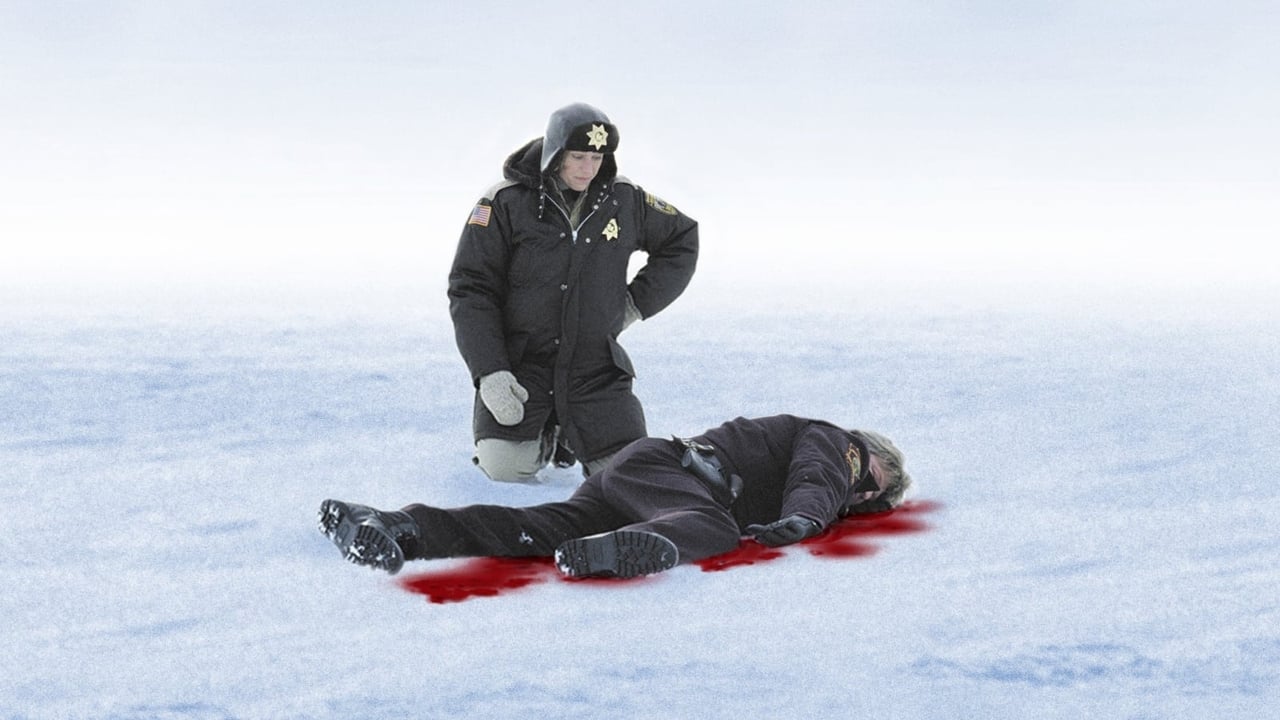
Fargo

Marge meets an old high school classmate for a drink, but the conversation turns uncomfortable as he reveals his deep loneliness and grief.

Start a free 7-day trial — 5 downloads a day, unlimited when Pro begins

Rehearse this scene
Rehearse on your terms

Choose your role and voices for the other characters. Run the scene at your own pace.

Scene PreviewExcerpt — subscribe to read full scene

MARGE

Mike!

MIKE

Geez! You look great!

MARGE

Yah – easy there – you do too! I'm expecting, ya know.

MIKE

I see that! That's great!

MIKE

... What can I get ya?
End of preview. Continue with Pro below.

7 days freeYour next rehearsal starts here

Found your next scene? Make it yours.

Start your free trial and read Marge and Mike in the Hotel Bar in full, with access to 4,000+ monologues and scenes to explore next.

  • Read the full scene and explore the library
  • Download your script in a clean, printable format
  • Take it into rehearsal with the Script Reader
Casting Types
Get Feedback
Coming Soon

Want expert coaching on this scene?

Browse our curated list of acting coaches, dialect specialists, and more.

Find a Coach

Need representation?

Browse verified agents and casting directors in our directory.

Scene Notes & Audition Tips

5 sections
About This Scene

This compelling duologue, "Marge and Mike in the Hotel Bar," is drawn from the critically acclaimed film *Fargo*. The scene opens as Marge, a pregnant police chief, encounters Mike, an old high school acquaintance, in a hotel bar, initially setting up what seems like an awkward but friendly reunion. As the conversation unfolds, however, the tone shifts dramatically when Mike's deep-seated loneliness and profound grief over a personal loss begin to surface. This dynamic exchange quickly moves from polite small talk to an uncomfortable revelation of emotional vulnerability.

Character Analysis

Marge is portrayed as an Authority Figure, a grounded and observant individual who navigates social interactions with politeness, even when faced with discomfort. Her pregnant state adds a layer of maternal calm and a subtle barrier. Mike, on the other hand, embodies both the Outsider and Vulnerable archetypes, struggling with profound loneliness and grief that he clumsily attempts to share. His attempts to get closer to Marge, both physically and emotionally, reveal a desperate need for connection, highlighting his unaddressed pain.

Why This Works for Auditions

This scene offers exceptional material for auditions due to its immediate conflict and the nuanced emotional journey it demands from both actors. The dialogue is authentic and rooted in specific character choices, allowing performers to showcase strong active listening and reaction skills. It transitions effectively from light, awkward banter to heavy, vulnerable revelation, providing a dynamic range that casting directors value. The inherent contrast between Marge's professional composure and Mike's raw, unburdened emotion makes for a captivating and memorable performance.

Best Suited For

This duologue is ideally suited for actors within the 25-35 age range, though the provided character ages suggest flexibility for actors in their 30s and 40s. It’s perfect for those comfortable exploring vulnerable and quirky casting types, particularly actors looking to demonstrate their capacity for both comedic timing and genuine emotional depth. The scene's contemporary period and intimate setting make it highly adaptable for self-tapes, agent showcases, or general practice, where showcasing detailed character work is paramount.

Performance Tips

When approaching this scene, Marge should focus on her active listening and subtle non-verbal reactions to Mike's increasing intensity, maintaining her boundary while still showing empathy. Her politeness should feel genuine but also a means to manage the escalating discomfort. For Mike, the key is to lean into the awkwardness and desperation, allowing his grief and loneliness to inform his actions and dialogue, particularly his physical proximity. Both actors should pay close attention to the rhythm and pauses in the dialogue to convey the scene's evolving emotional landscape effectively.

Explore this topic